
Home Appliance Troubleshooting Guide: Common Problems, Repairs & Replacement
When an appliance stops working, you usually don't need to know which internal component failed before deciding what to do next. Start with the symptom. Is it receiving power?...
By Everyday Home Advice Editorial Team
When an appliance stops working, you usually don't need to know which internal component failed before deciding what to do next. Start with the symptom. Is it receiving power? Is water getting where it should? Is something blocked? Did the problem appear suddenly or gradually? A few basic observations separate a simple issue from one that needs a repair.
Refrigerator problems
Common symptoms include poor cooling, a freezer that works while the refrigerator section warms, water on the floor, unusual noises, excessive frost, and food freezing in the refrigerator section. Start with: Why Is My Refrigerator Not Cooling? and Why Is My Refrigerator Leaking Water?
Dishwasher problems
Water left in the bottom may point to a drainage problem. An unpleasant smell often has a much simpler cause. Read: Why Is My Dishwasher Not Draining? and Why Does My Dishwasher Smell?
Washing machine problems
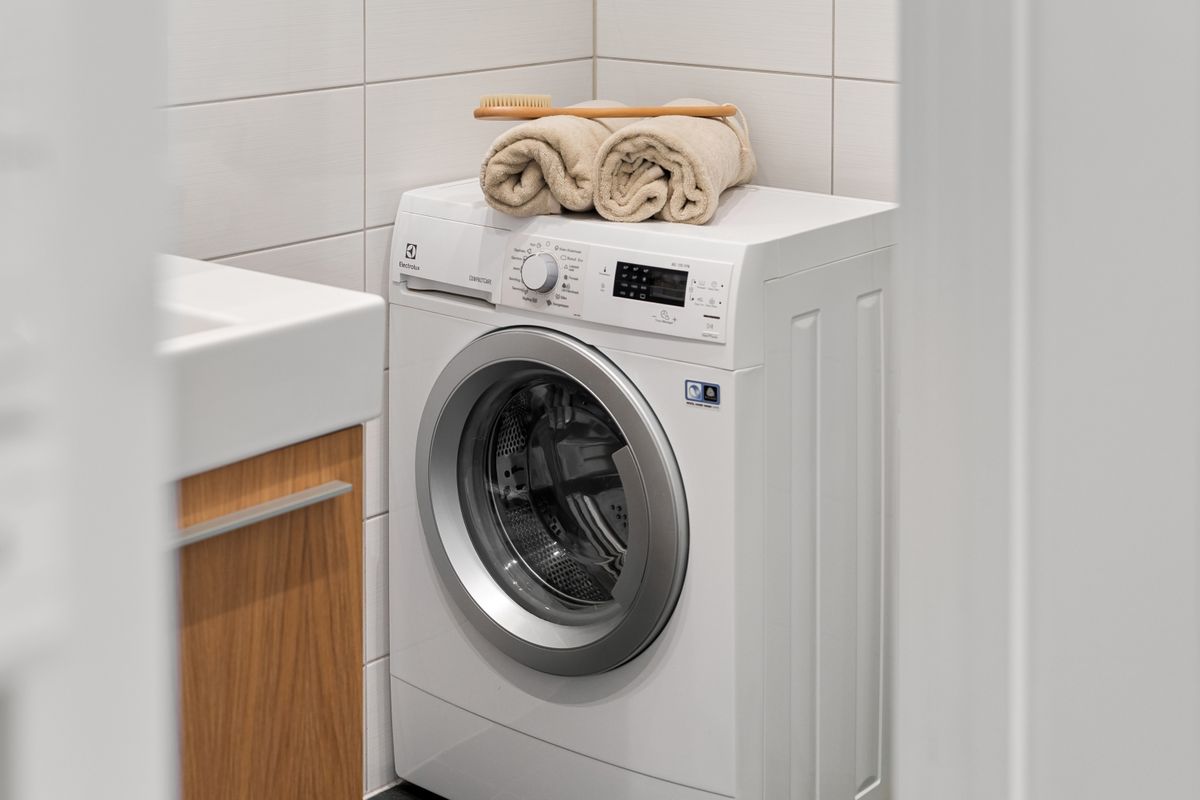
Water left in the drum, excessive vibration, and leaks are among the symptoms homeowners notice most. Read: Why Is My Washing Machine Not Draining? and Why Is My Washing Machine Shaking?
Dryer problems
A dryer that runs but takes far longer than normal deserves attention. Restricted airflow affects drying performance and can create a safety concern. Read: Why Is My Dryer Taking Too Long to Dry Clothes? and Why Is My Dryer Not Heating?
Oven problems
If the oven turns on but food isn't cooking normally, the temperature may not be reaching or holding the setting you chose. Read: Why Is My Oven Not Heating Properly?
Start with safe checks
Before scheduling repair, you can often check normal power, appliance settings, doors and latches, accessible filters, obvious blockages, visible hoses, and the manufacturer's troubleshooting information. Don't remove electrical panels or bypass safety devices just to avoid a service call.
Repair or replace?
A broken appliance isn't automatically a dead appliance. Consider what failed, the overall condition, previous repairs, parts availability, the repair scope, replacement cost, the features you actually need, and energy and water use where relevant. Read: Should You Repair or Replace a Broken Appliance?
Find local appliance repair
If basic troubleshooting doesn't reveal a simple cause: Find Local Appliance Repair