
Should You Repair or Replace a Broken Appliance?
The decision isn't simply "old appliance versus new appliance." Start with the actual failure.
By Everyday Home Advice Editorial Team
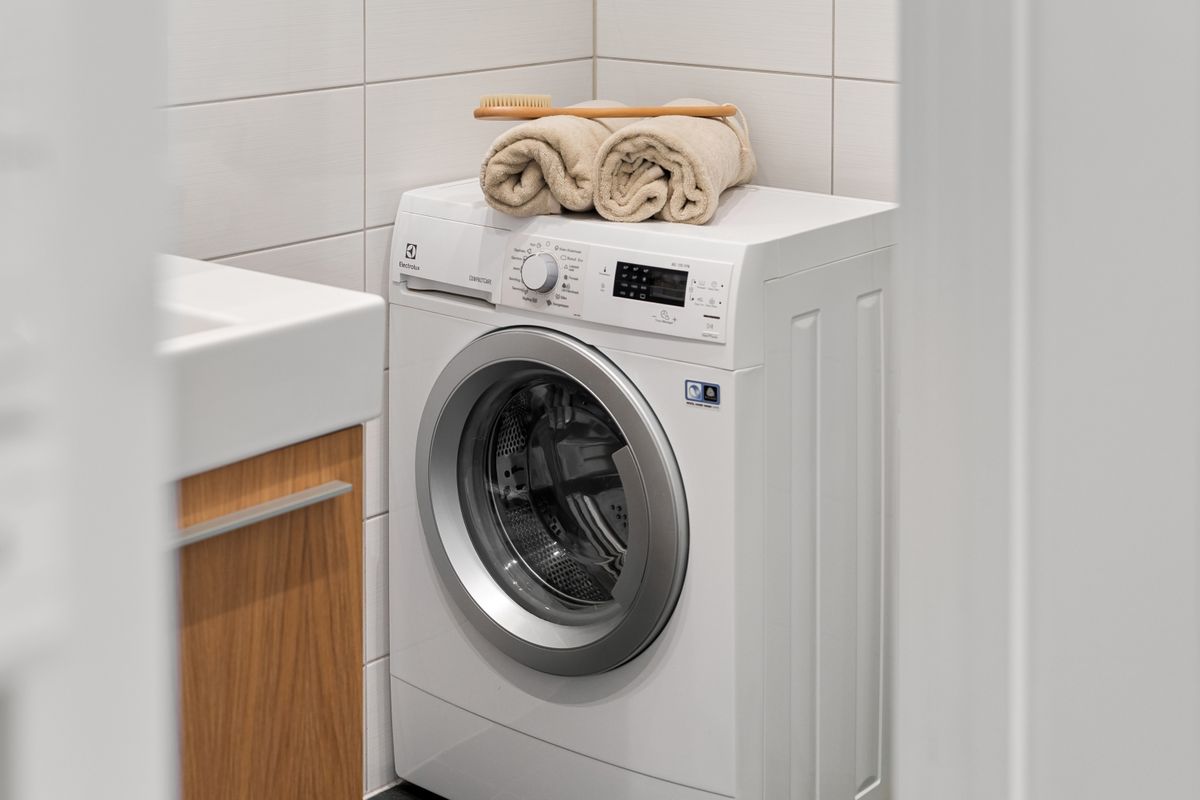
The decision isn't simply "old appliance versus new appliance." Start with the actual failure.
Get the problem diagnosed
A worn door seal is different from a major refrigeration-system failure. A clogged dishwasher filter is different from a failed control system. Diagnosis changes the economics.
Consider overall condition
Ask whether the appliance has been reliable, whether there are other problems, whether it has needed repeated repairs, whether parts are available, and whether there's visible deterioration.
Think about replacement beyond the purchase price
Replacement can involve delivery, installation, haul-away, plumbing changes, electrical changes, cabinet modifications, and new accessories. Compare the complete cost.
Don't replace useful equipment for features you don't need
New technology can be valuable, but don't let a long feature list make the decision for you. Think about how your household actually uses the appliance.
Ask about the repair
Before deciding, ask:
- What failed?
- What does the repair involve?
- What parts are being replaced?
- Are other major problems apparent?
- What warranty applies to the repair?
A clear diagnosis makes repair-versus-replace decisions much easier. Find Local Appliance Repair