
Resurface or Replace a Concrete Driveway?
Resurfacing can improve a driveway when the underlying concrete remains suitable. It isn't a way to hide serious movement or structural failure.
By Everyday Home Advice Editorial Team
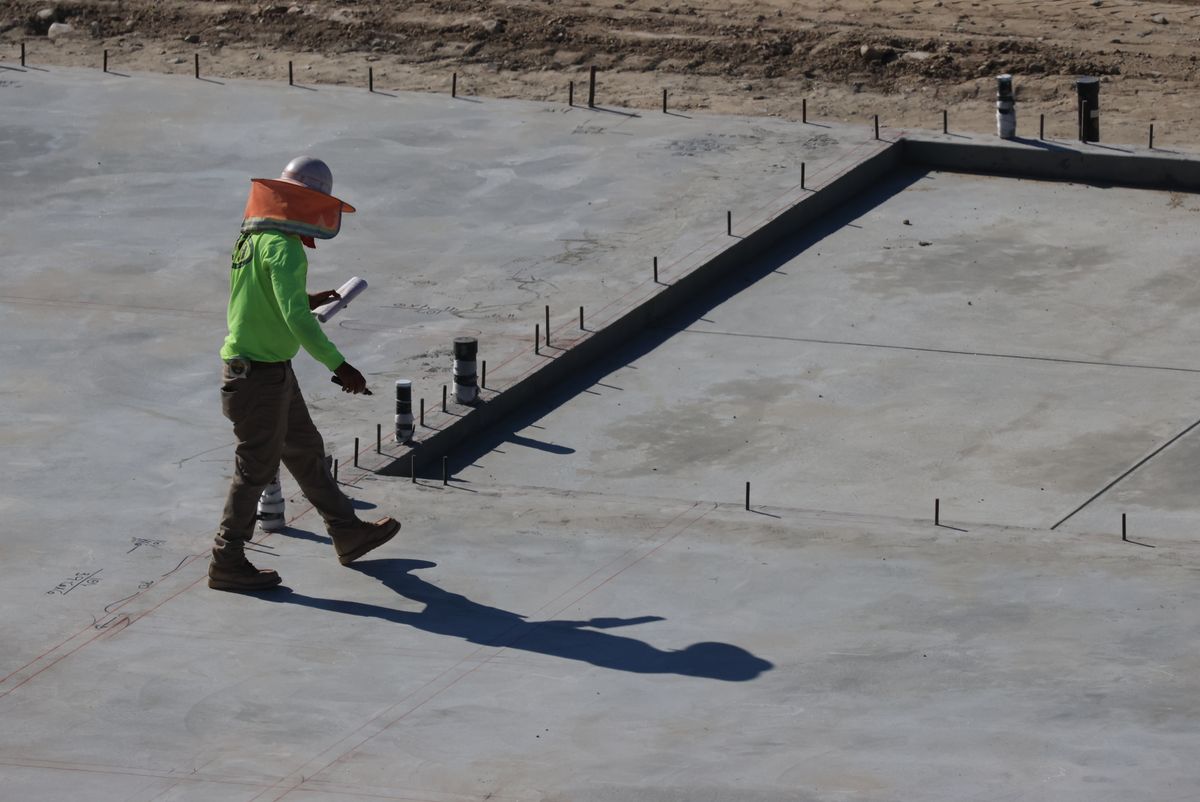
Resurfacing can improve a driveway when the underlying concrete remains suitable. It isn't a way to hide serious movement or structural failure.
Resurfacing may make sense when
The driveway is generally stable but has surface wear, minor cosmetic deterioration, or appropriate repairable defects.
Replacement deserves more consideration when
The driveway has major settlement, significant heaving, extensive cracking, multiple unstable sections, or serious drainage-related damage.
Don't judge only the surface
A fresh surface over unstable concrete doesn't correct movement underneath.
Consider drainage
Before investing in either option, understand where water flows around the driveway.
Ask contractors to explain the recommendation
Ask:
- Why is resurfacing appropriate?
- What cracks will remain visible?
- How is the surface prepared?
- What caused the existing damage?
- Would replacement correct something resurfacing cannot?
Find Local Concrete Help