
Electrical Problems You Shouldn't Try to Fix Yourself
Being handy around the house doesn't make every electrical repair a reasonable DIY project. Some jobs combine shock, fire, and equipment-damage risks.
By Everyday Home Advice Editorial Team
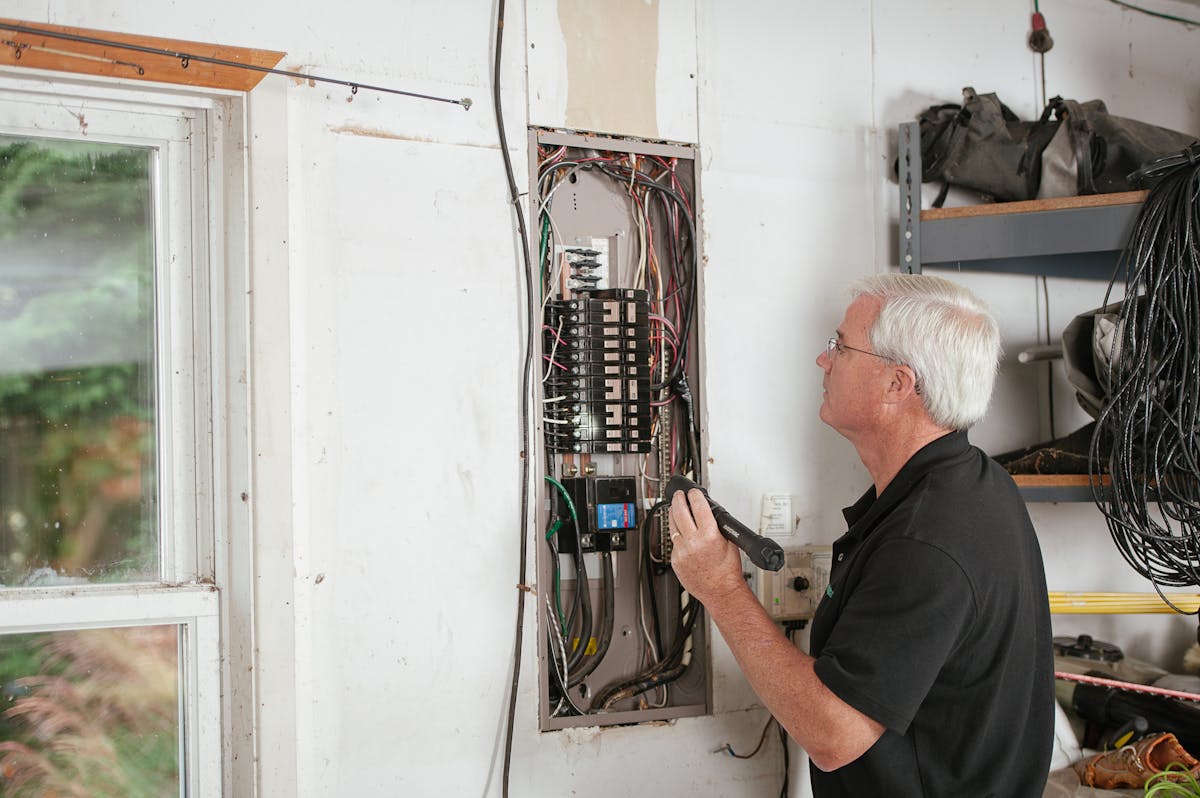
Being handy around the house doesn't make every electrical repair a reasonable DIY project. Some jobs combine shock, fire, and equipment-damage risks.
Repeated breaker trips
The breaker is responding to a condition. Don't bypass it, swap in a larger breaker, or reset it repeatedly without diagnosis.
Burning odors
A burning electrical smell is not a troubleshooting experiment. Stop using the affected equipment if it can be done safely and get the source evaluated.
Hot or melted outlets
Heat damage can indicate a poor connection, an overload, or another electrical problem.
Electrical panel work
Removing a panel cover exposes components that can remain hazardous even when individual branch circuits are switched off.
Damaged wiring
Don't tape over damaged household wiring and consider the problem solved.
Water and electricity
Stay out of standing water where energized electrical equipment may be present.
Electrical service problems
Issues involving the service entrance, meter equipment, or substantial portions of the home require appropriate expertise and may also involve the utility.
What can homeowners safely do?
Reasonable checks include normal breaker operation, GFCI reset buttons, changing a bulb, confirming devices are plugged in, and observing which areas are affected. Know the line between using an electrical system and repairing one. Find Local Electrical Help