
Why Did an Outlet Suddenly Stop Working?
A dead outlet doesn't always mean the outlet itself failed. Work through the normal household controls before assuming a wiring problem.
By Everyday Home Advice Editorial Team
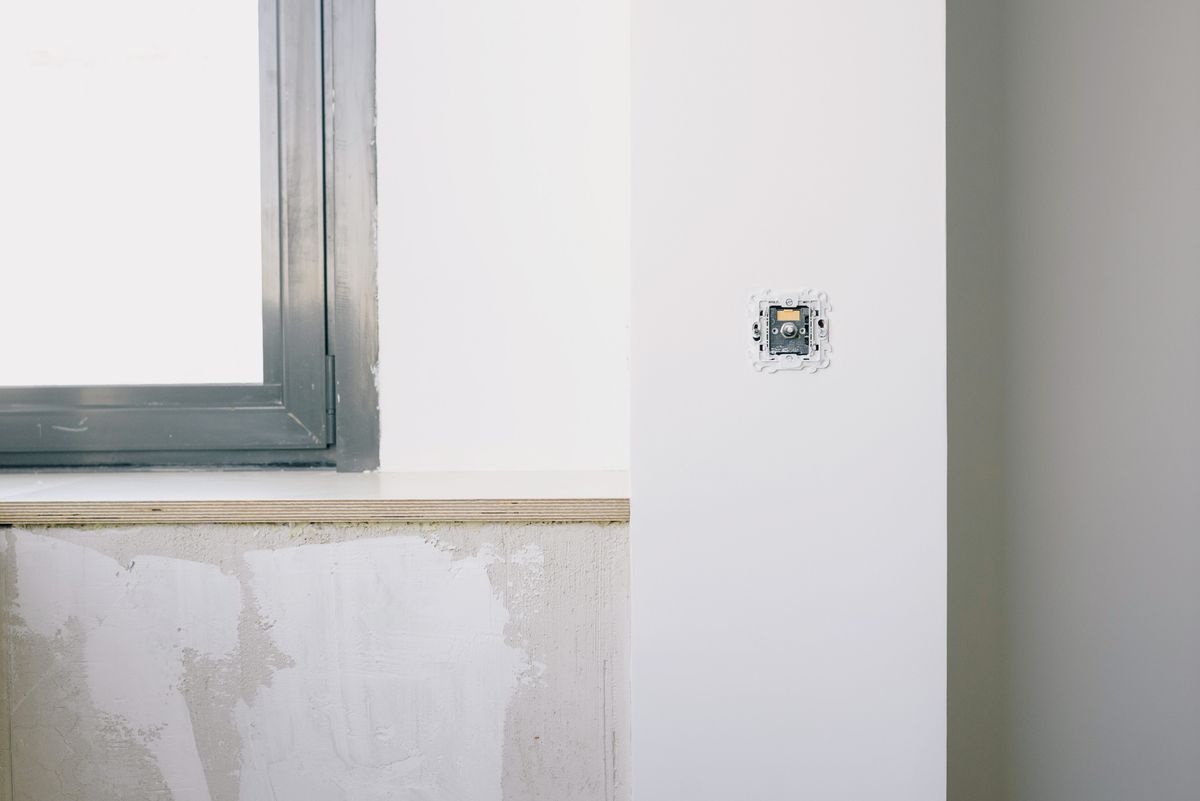
A dead outlet doesn't always mean the outlet itself failed. Work through the normal household controls before assuming a wiring problem.
Check other outlets
Is only one outlet dead, or are several outlets and lights affected? That tells you whether you're dealing with one device or a larger circuit.
Check for a tripped GFCI
A GFCI-protected outlet shuts off power when it detects a ground-fault condition, and one GFCI device can protect other outlets downstream. Check the accessible GFCI outlets and use their normal reset controls if appropriate.
Check the breaker
Look for a tripped breaker. If it trips again after a reset, stop resetting it.
Don't remove the outlet
If GFCI and breaker checks don't restore power, don't take off the cover and start touching wiring unless you're qualified to do electrical work.
Warning signs
Get help sooner if the outlet has burn marks, melting, unusual heat, buzzing, a burning odor, or loose or damaged parts. Find Local Electrical Help