
Home Flooring Guide: Choosing, Maintaining, Repairing & Replacing Floors
Flooring decisions get much easier when you stop looking for one material that's supposedly best for every house. The right floor for a quiet bedroom may not be right for an...
By Everyday Home Advice Editorial Team
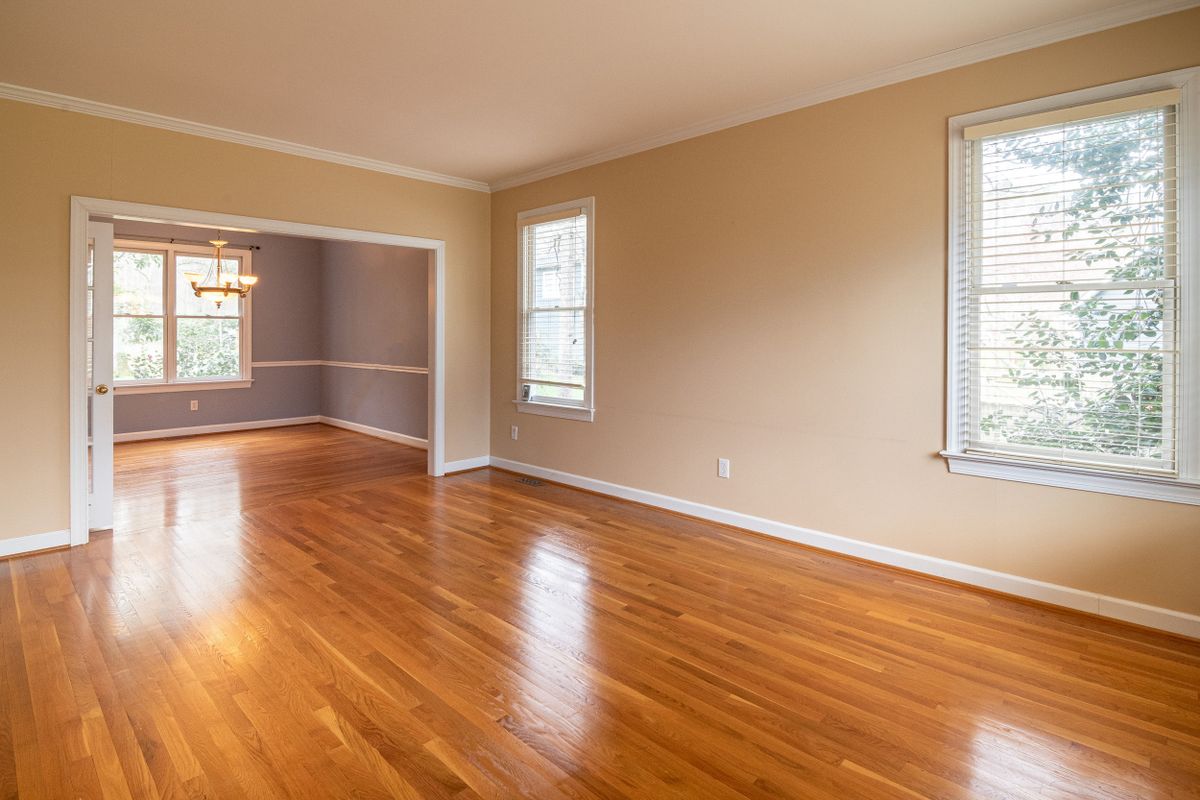
Flooring decisions get much easier when you stop looking for one material that's supposedly best for every house. The right floor for a quiet bedroom may not be right for an entryway full of wet shoes, a kitchen where things get spilled, or a house with large dogs. Start with how the room is actually used.
What matters most?
Consider moisture, foot traffic, pets, children, cleaning, comfort, appearance, installation, subfloor condition, repairability, and long-term maintenance. You probably won't maximize all of them at once. The goal is finding the right balance.
Hard-surface flooring
Common choices include hardwood, engineered wood, laminate, luxury vinyl, and tile. Each handles moisture, scratching, repair, and installation differently.
Carpet
Carpet still makes sense where softness, warmth, and noise reduction matter. It generally makes less sense in areas that regularly get wet or dirty.
Pets
If dogs are part of the household, think beyond scratches: traction, accidents, water bowls, mud, hair, and cleaning all matter. Read: What Flooring Is Best for Homes With Dogs?
Busy rooms
Entryways, kitchens, and family rooms can take far more abuse than bedrooms. Read: What Flooring Is Best for High-Traffic Areas?
Existing floor problems
Before installing something new, understand why the existing floor failed. Read:
- Why Is My Floor Buckling?
- Why Are My Floorboards Separating?
- Should I Repair or Replace My Flooring?
Don't forget what's underneath
The finished flooring is only part of the system. The condition of the subfloor, slab, underlayment, and moisture barrier all affect the result. Covering an unresolved moisture or structural problem with new flooring doesn't solve it.
Choosing flooring
Before buying, ask:
- Can this material handle the room's moisture?
- How easily does it scratch or dent?
- What happens if one section is damaged?
- What cleaning products can be used?
- What does installation require?
- What condition must the subfloor be in?
- Does the material need acclimation?
- What warranty limitations matter?
Find local flooring help
If the project involves significant subfloor work, moisture problems, or whole-room replacement: Find Local Flooring Help