
Should I Repair or Replace My Flooring?
Flooring doesn't need replacement just because one area is damaged. Start by determining how widespread the problem is.
By Everyday Home Advice Editorial Team
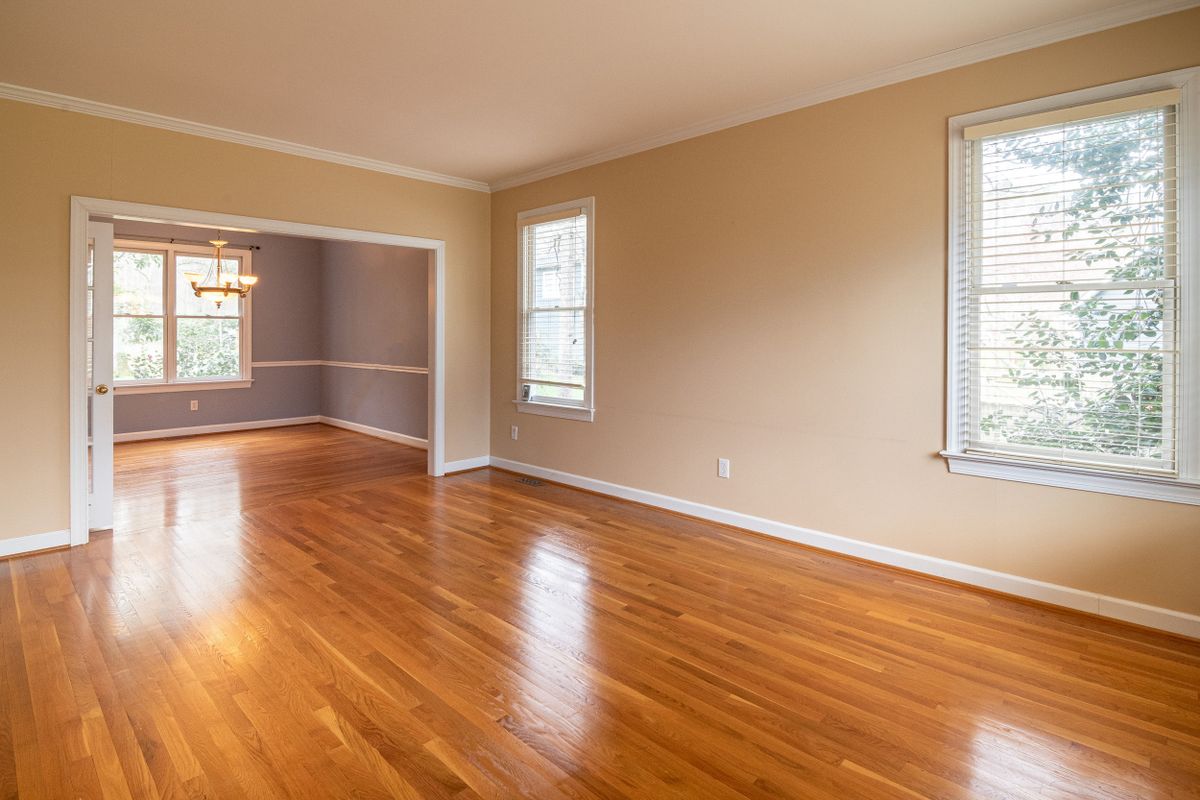
Flooring doesn't need replacement just because one area is damaged. Start by determining how widespread the problem is.
Local damage
A damaged plank, tile, small carpet area, or transition can sometimes be repaired without replacing the entire floor.
Widespread damage
Replacement becomes more reasonable when damage affects a large area, moisture has reached the subfloor, matching material is unavailable, the floor is failing in several places, or repair would leave an unacceptable appearance.
What caused the damage?
Don't replace flooring until you understand why it failed. If the cause was water, subfloor movement, foundation movement, or installation problems, new flooring can develop the same problem.
Can the material be refinished?
Some wood floors can be refinished depending on their construction and remaining wear surface, and refinishing can change the repair-versus-replace decision significantly.
Questions to ask
- What caused the damage?
- Is the subfloor sound?
- Can individual sections be repaired?
- Is matching material available?
- Does the room need to be emptied?
- What preparation is included?
Find Local Flooring Help