
How Do I Know If I Have a Hidden Water Leak?
Not every leak produces a puddle. Water can escape inside walls, under floors, beneath cabinets, or underground long before the source becomes obvious.
By Everyday Home Advice Editorial Team
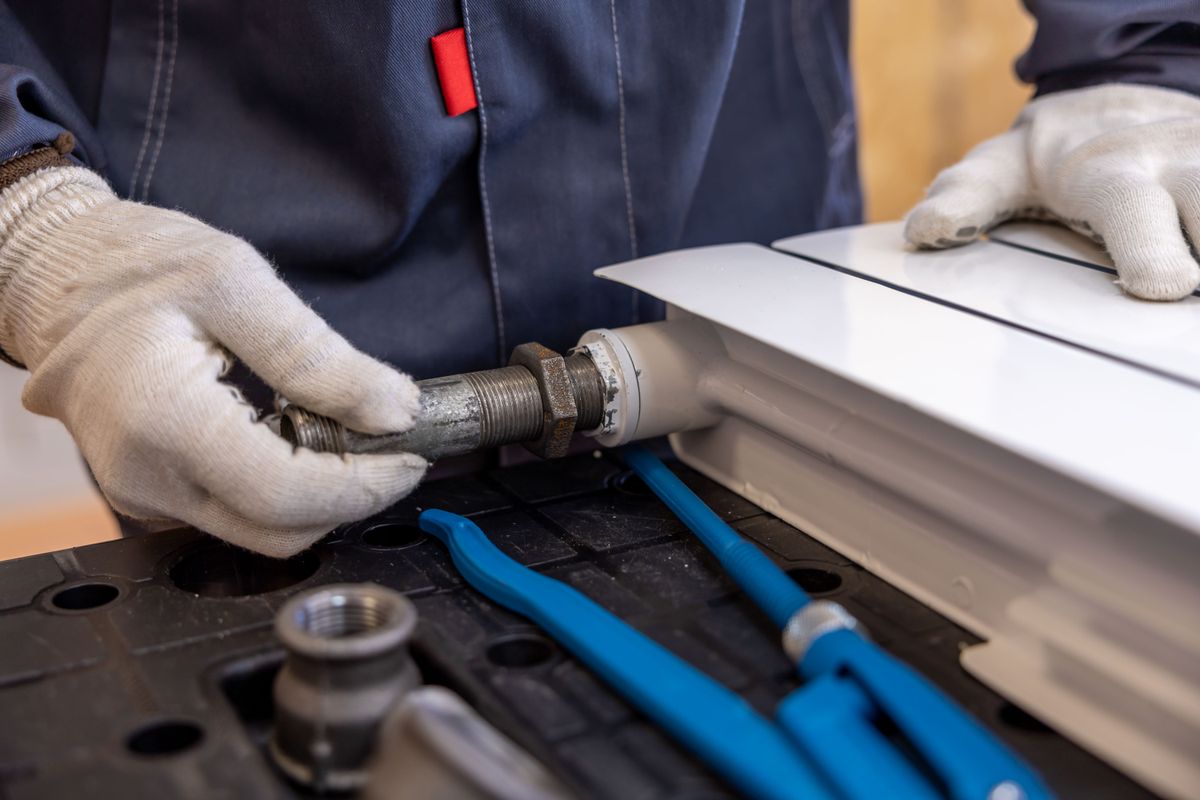
Not every leak produces a puddle. Water can escape inside walls, under floors, beneath cabinets, or underground long before the source becomes obvious.
Common clues
Watch for:
- New water stains
- Damp building materials
- Peeling paint or finishes
- Swollen baseboards
- Warped flooring
- Musty odors
- Sounds of running water
- Unexplained water use
- Sudden pressure changes
One clue doesn't prove a leak. Several showing up together are harder to explain away.
Check your water use
With every known water-using fixture and appliance off, unexpected activity at the water meter is useful information. Meter designs vary, so follow your water utility's instructions for reading yours.
Look for changes
A new ceiling stain or damp patch on a wall is worth investigating even if nothing is dripping. Water often travels away from the actual leak before it becomes visible.
Listen
Do you hear running or dripping when nobody is using water? Try to narrow down the general area. Don't start opening walls just because you heard something.
Why hidden leaks matter
The plumbing repair may be only part of the bill. Persistent moisture damages drywall, cabinets, flooring, insulation, and wood components, and it can create conditions that support mold growth.
When should I call someone?
Get help when:
- Evidence points to an active concealed leak.
- Moisture is spreading.
- You can't isolate the source.
- Building materials are getting wet.
- Water use remains unexplained.
Suspect an active hidden leak? Find Local Plumbing Help