
Why Are My Floorboards Separating?
Short answer: Floorboards separate primarily because wood shrinks when indoor humidity drops or because wood flooring was installed before reaching moisture balance with the...
By Everyday Home Advice Editorial Team
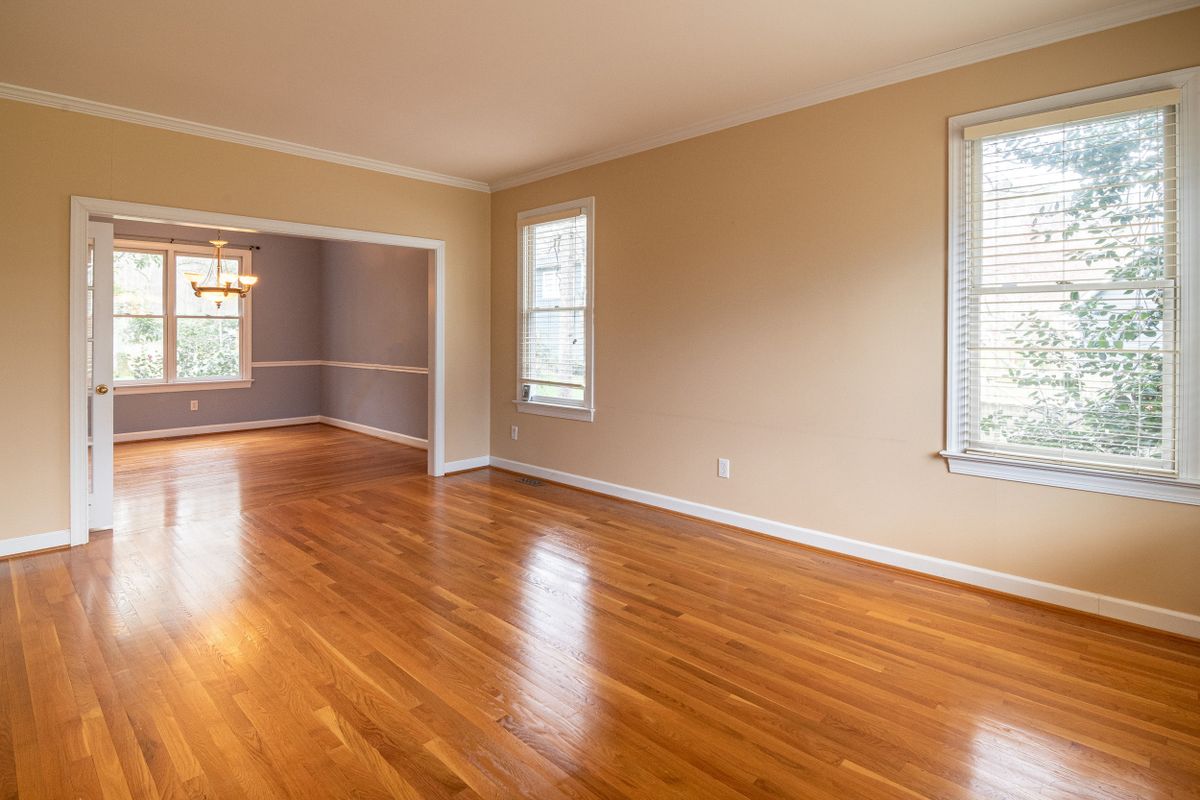
Short answer: Floorboards separate primarily because wood shrinks when indoor humidity drops or because wood flooring was installed before reaching moisture balance with the home. In North Texas, seasonal humidity swings and foundation movement over expansive clay soil frequently cause floorboards to pull apart.
Identifying Gaps and Understanding Moisture Movement
Wood is a natural, hygroscopic material that continuously absorbs and releases moisture from the surrounding environment. When air humidity inside a home drops, solid wood and engineered wood planks release stored moisture and contract across their width. Conversely, when relative humidity rises, wood fibers expand. Seasonal gaps that open during cool, dry months and close when humid weather returns are a normal characteristic of real wood floors. However, gaps that remain open year-round, appear only in isolated sections of a home, or widen alongside unlevel floor sections indicate permanent wood shrinkage, installation errors, or structural subfloor movement.
Primary Causes of Floorboard Separation
Several distinct factors cause floorboards to lose tightness and form visible gaps between seams: Seasonal indoor humidity drops: Heating systems run during cold spells, stripping indoor air of moisture. This dry air pulls moisture out of the wood, causing individual planks to narrow. Inadequate material acclimation: If hardwood planks are installed immediately upon delivery without spending enough time inside the home to reach equilibrium with the indoor climate, the wood contracts post-installation as it dries. Foundation and subfloor movement: Soil expansion and shrinkage alter the support beneath a home. As subfloors tilt, drop, or pull apart, the finish floorboards installed above them split along seam lines. Crawl space moisture imbalances: In homes with crawl space foundations, excess moisture rising from damp soil causes subfloor sheathings to swell and warp, which pulls top floorboards out of alignment and creates gaps. * Improper installation fasteners or expansion spacing: Using incorrect nail spacing, failing to secure tongue-and-groove joints, or pinning boards improperly prevents the floor from moving uniformly, resulting in uneven separation.
Evaluating Severity: Cosmetic versus Structural Issues
Understanding whether separating floorboards pose a structural threat depends on gap uniformity and accompanying house symptoms. Uniform, fine gaps distributed evenly across a room that open during winter heating and close in humid months are cosmetic. They do not weaken the subfloor or compromise structural stability. Wide, localized gaps that develop rapidly in a single room warrant immediate attention. If separation occurs alongside sloping floors, squeaking planks, soft subfloor spots, or floorboard cupping, the underlying cause is often structural moisture damage or foundation settlement. When gap opening is accompanied by diagonal drywall cracks near door frames or sticking exterior doors, the floor separation is likely tied to underlying foundation movement rather than surface wood drying.
Dallas–Fort Worth Climate and Foundation Factors
Homeowners in the Dallas–Fort Worth area experience environmental conditions that accelerate floorboard movement. The region features expansive clay soil, which swells dramatically when saturated by rain and shrinks significantly during hot, dry weather. Concrete slab-on-grade foundations common across North Texas react to this shifting clay soil. When a concrete slab settles or flexes due to soil movement, hard-surface flooring glued or floated over the slab experiences physical stress, pulling seams apart. Homes with pier-and-beam foundations experience separate challenges. In humid summer months, warm air settles in open crawl spaces, pushing moisture up into subfloor joists. In winter, dry winds dry out the under-floor space. This severe moisture gradient between the crawl space and the living area causes boards to cup and separate. Furthermore, heavy summer air conditioning use lowers indoor humidity while outdoor air remains damp, driving moisture migration across exterior walls and floor perimeters.
Safe Homeowner Inspections and What to Avoid Touching
Homeowners can safely evaluate separating floorboards using simple visual and mechanical checks: Lay a long carpenter level or straightedge flat across the gaps to check whether individual planks are cupping, crowning, or sitting at different heights. Inspect exterior foundation walls and interior drywall near the separating floor for visible cracking or shifting. * In pier-and-beam homes, use a flashlight to check the crawl space for standing water, exposed earth missing a polyethylene vapor barrier, or leaking plumbing pipes under the floor gaps. Do not attempt to force separating boards together using pry bars, heavy weights, or mechanical jacks, as this can break tongue-and-groove joints or split the finish wood. Avoid driving nails through the face of separating boards without assessing subfloor framing. Never attempt to adjust crawl space piers, support jacks, or load-bearing joists on your own. Foundation and framing adjustments require professional structural evaluation. Avoid filling wide gaps with rigid wood putty on floors subject to seasonal movement. When seasonal humidity returns, expanding floorboards will crush cured putty, forcing it out of the seams or causing the wood edges to crush and buckle.
Professional Testing, Repair Options, and Cost Drivers
Professional Testing
Flooring technicians measure board moisture using pin-type or pinless moisture meters to determine whether wood planks have dried below baseline levels. They also test concrete slab moisture emissions using relative humidity sensors inserted into drilled test holes. When plumbing leaks or ductwork condensation are suspected as the root moisture source, TDLR-licensed plumbers perform pressure testing, while TDLR-licensed A/C contractors evaluate duct conditions and indoor humidity control systems.
Repair Options
Humidity control: Installing a whole-house humidifier or running room humidifiers during dry months restores wood equilibrium, allowing natural gaps to close without mechanical intervention. Flexible gap fillers: For static, non-moving gaps, technicians insert flexible silicone-latex fillers, natural jute rope coated in matching wood stain, or custom wood slivers cut from the same wood species into the openings. Board replacement: Damaged or permanently warped planks are cut out individually using precision saws, and replacement boards are woven into the existing layout. Foundation and subfloor stabilization: If soil movement or crawl space decay caused the separation, foundation repair specialists level the underlying structure before flooring work begins. Note that Texas does not license general contractors at the state level, making it essential to verify insurance coverage, business history, and references before hiring repair crews.
Repair versus Replace and Cost Drivers
If floorboard separation is limited to seasonal shrinkage or localized board damage, target repairs and humidity stabilization are effective. However, if floorboards are extensively cracked, warped, or detached across wide areas due to severe subfloor rot or major foundation shifts, full replacement of the flooring system is recommended. Project expenses depend on several factors: The type and species of flooring material involved. The square footage requiring repair or board replacement. Subfloor preparation needs, such as moisture barrier installation or self-leveling underlayment applications over concrete slabs. Crawl space accessibility and subfloor joist structural repair requirements. * The need for primary plumbing repairs or foundation stabilization prior to floor restoration.
Common questions
Can I fill floorboard gaps with standard wood filler?
Standard rigid wood filler should not be used in gaps caused by seasonal humidity changes. As ambient moisture rises in humid weather, expanding floorboards press against the hardened filler, causing it to crumble, pop out, or damage the edges of the wood planks.
Does running the air conditioner cause floorboard separation?
Running an air conditioner cools the home while extracting moisture from indoor air. If an air conditioning system operates continuously during hot weather without humidity management, indoor moisture levels can drop significantly, causing real wood floorboards to shrink and pull apart.
How can I tell if floorboard gaps are caused by foundation movement?
Gaps caused by foundation movement typically appear suddenly in specific linear patterns or diagonal lines, often accompanied by unlevel floors, sticking doors, or diagonal cracks in nearby drywall. Seasonal humidity gaps occur more uniformly across entire room surfaces during cold months.
Are floorboard repairs covered by home insurance?
Standard homeowners insurance policies generally cover flooring repairs only if the separation was caused by a sudden, accidental covered peril, such as a plumbing pipe rupture. Damage resulting from gradual humidity changes, normal wood shrinkage, foundation settling, or lack of maintenance is typically excluded. Dallas–Fort Worth Flooring Guide for Homeowners Why Is My Floor Buckling? Why Does My Floor Feel Soft or Spongy? Should I Repair or Replace My Flooring? * Dallas Home Repair & Maintenance Guide