Common Home Problems in Dallas–Fort Worth
Everyday Home Advice is written for homeowners in the Dallas–Fort Worth Metroplex. The problems below are the ones North Texas houses actually produce: long cooling seasons...
By Everyday Home Advice Editorial Team
Everyday Home Advice is written for homeowners in the Dallas–Fort Worth Metroplex. The problems below are the ones North Texas houses actually produce: long cooling seasons that wear out air conditioning, hail and wind that test roofs, expansive clay that moves under driveways and slabs, and humidity that finds every gap in a building envelope. Start with what your house is doing right now, then follow the trail into the region and city guides.
Start with the four DFW cornerstones
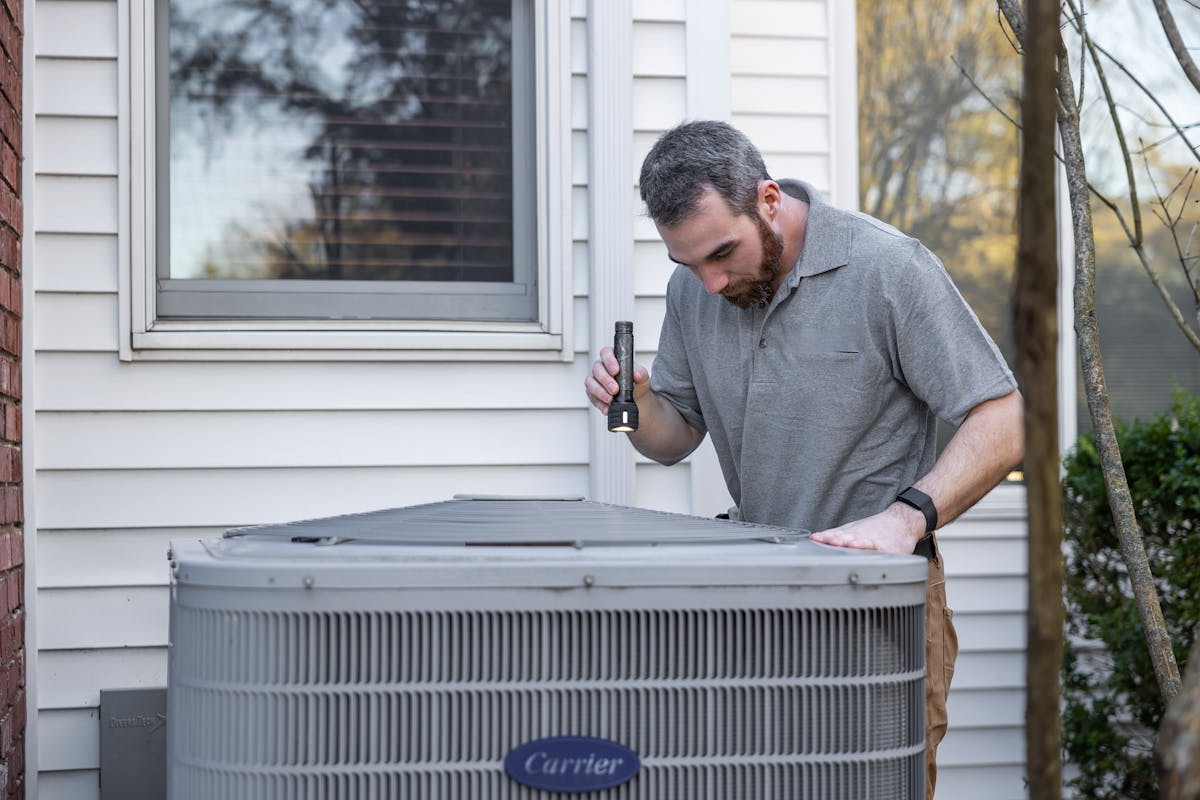
- Heating & Cooling in Dallas–Fort Worth
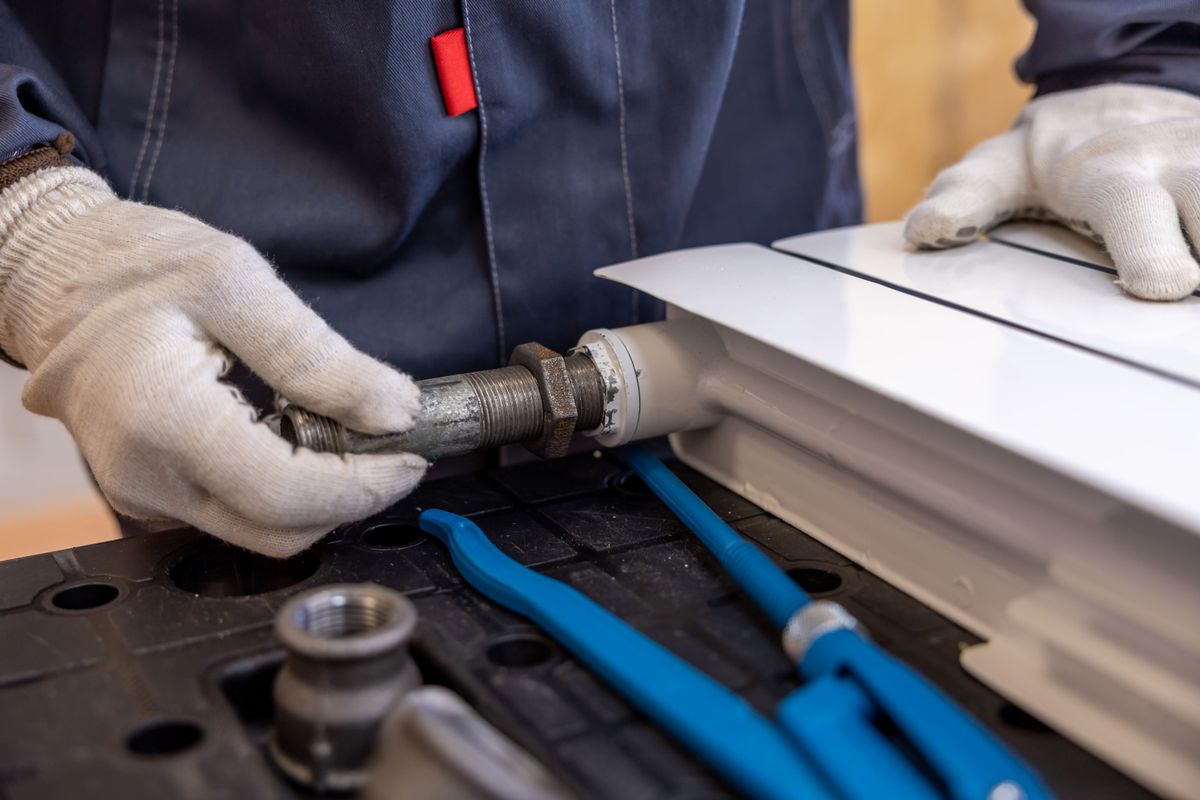
- Plumbing & Water Problems in Dallas–Fort Worth
- Pest Problems in Dallas–Fort Worth Homes
- Roofing, Hail & Storm Damage in Dallas–Fort Worth
AC and home comfort
A system that runs all afternoon in August is not automatically broken, and a system that runs all afternoon in October usually is. Guides in this group explain airflow, refrigerant, drain lines, thermostats and attic conditions, and separate a house problem from an equipment problem.
- Why Is My AC Running but Not Cooling?
- Why Is My AC Running Constantly?
- Why Is One Room Hotter Than the Rest?
- Should I Close Vents in Rooms I Don't Use?
Plumbing leaks and water heaters
Attic plumbing, slab leaks and hard water are all common here. These guides cover the small fixes a homeowner can safely make and the point where a valve, a drain or a tank needs a professional.
- Why Is My Toilet Running Every Few Minutes?
- Why Does My Faucet Keep Dripping?
- Water Heater Leaking From the Bottom
- When Is a Plumbing Problem an Emergency?
Storm and roof damage
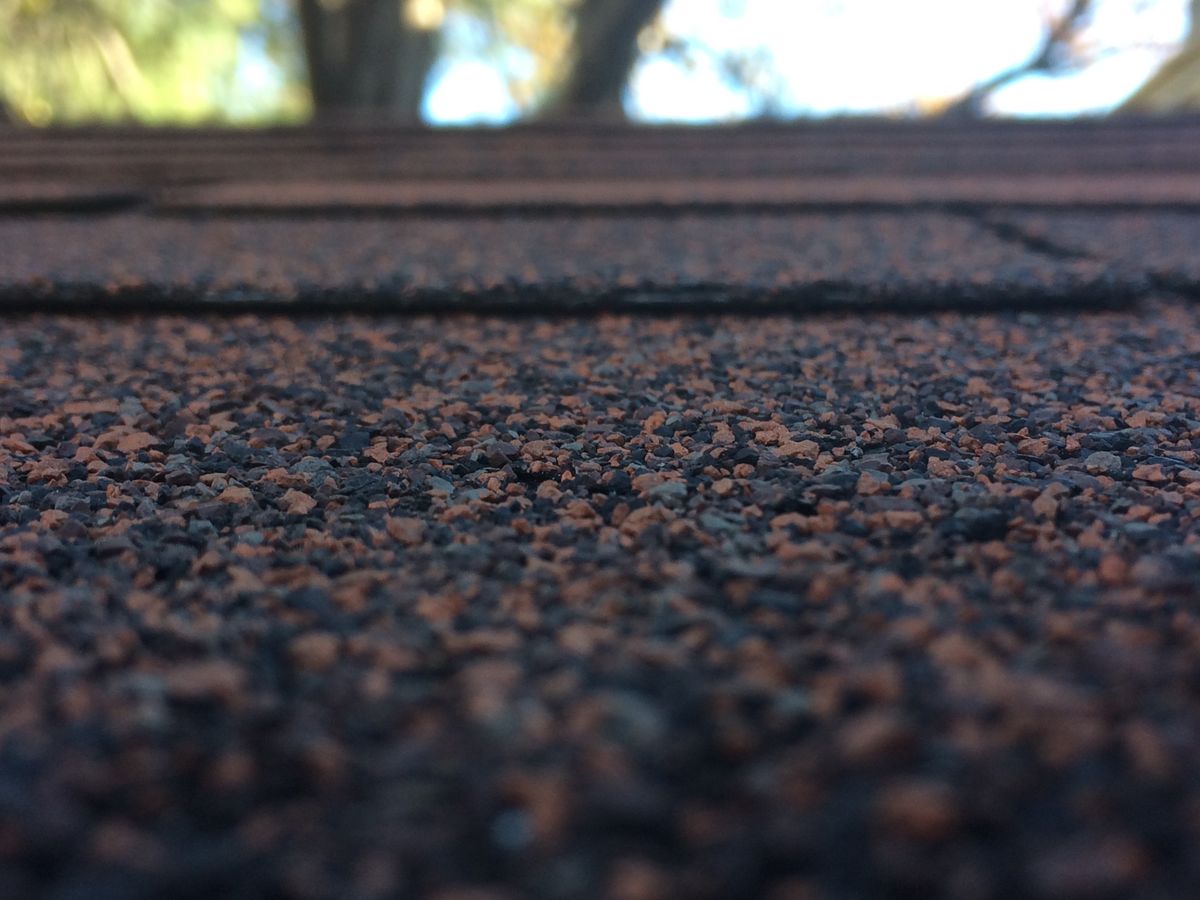
Hail, wind and heavy rain arrive in the same storm cell here. Roof checks, missing shingles, ceiling stains and gutter failures are covered in the roofing group.
- What Should I Check After a Major Storm?
- What Should I Do If I Find a Missing Roof Shingle?
- How Do I Know If My Roof Is Leaking?
- Why Is Water Getting Behind My Gutters?
Foundation, concrete and drainage
Clay soil shrinks in drought and swells after rain. That movement cracks driveways, tilts walks and shows up as cracks in brick and drywall. These guides explain what is cosmetic and what deserves an inspection.
- Dallas–Fort Worth Concrete & Foundation Guide
- Why Is My Driveway Cracking?
- Why Is My Concrete Sinking?
Pest activity
Ants after rain, roaches in summer, rodents in the attic and termites in older neighborhoods. Identification comes first, because the treatment for the wrong species wastes money.
- Why Am I Suddenly Seeing Ants in My House?
- What's the Difference Between Termites and Flying Ants?
- What Is Scratching in My Attic?
Garage doors
Heat, heavy use and worn springs. Repairs involving springs, cables and torsion hardware are not homeowner work, and the guides say so plainly.
Electrical problems
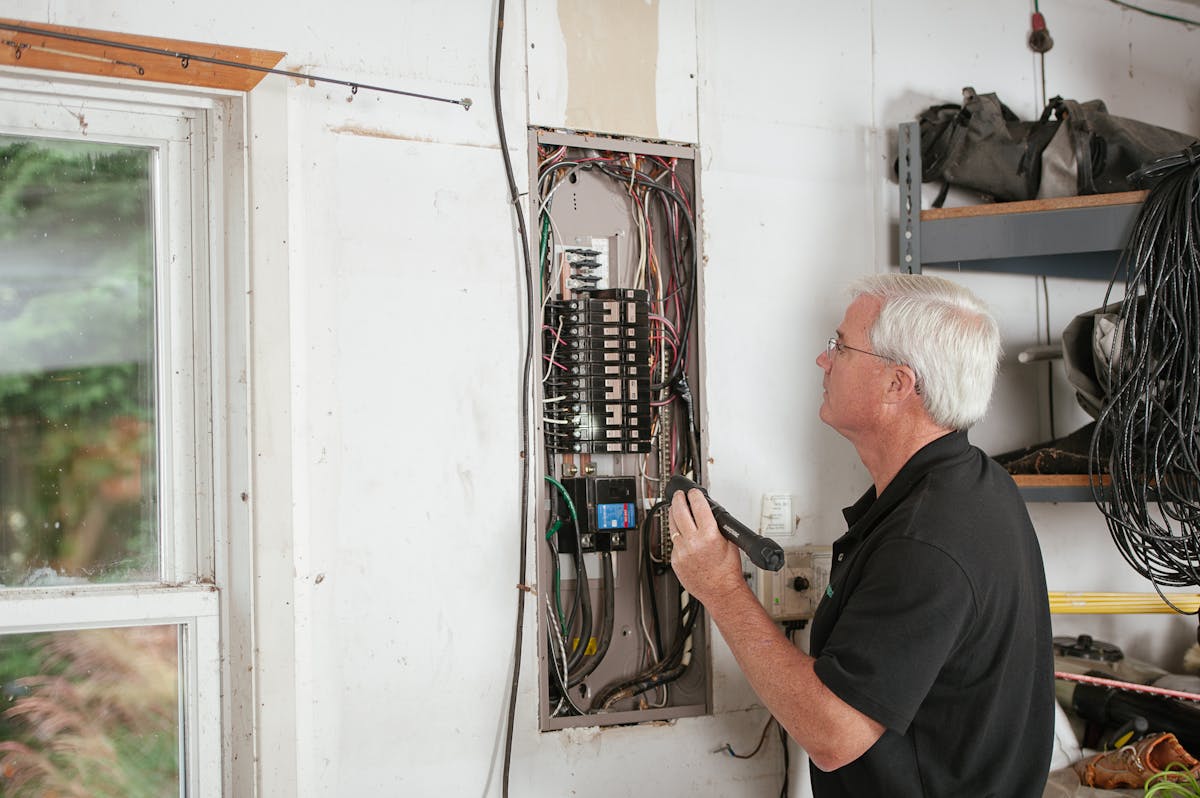
Tripping breakers, dead outlets, flickering lights and the difference between a utility outage and a fault inside your house.
Appliance failures
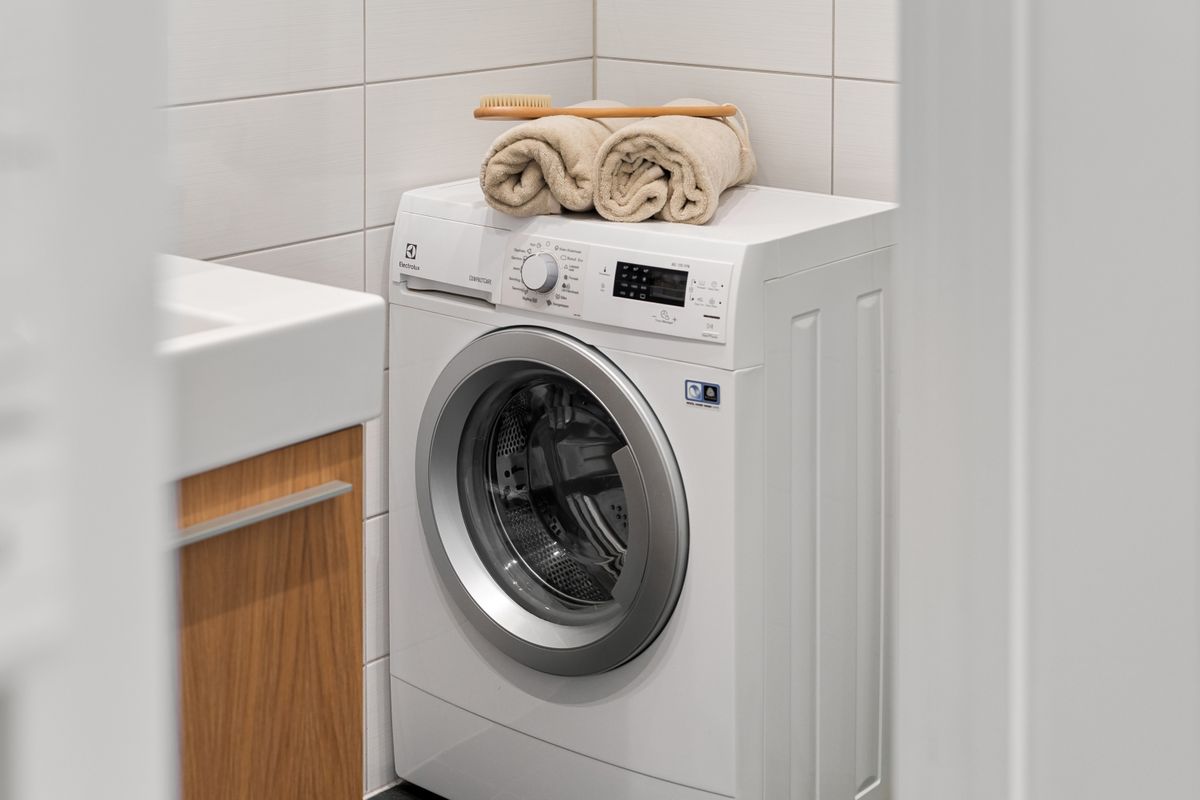
Refrigerators, dishwashers, washers and dryers. Technical diagnosis is the same anywhere, with North Texas notes where heat, garages and hard water change the outcome.
Moisture and water damage
Humidity plus a slow leak is how mold starts. These guides separate condensation, plumbing and storm intrusion before anyone starts cutting drywall.
Windows and exterior maintenance
Solar heat gain, failed seals, drafty frames and exterior materials that take a beating from sun and hail.
Where you live changes the answer
Housing stock and weather exposure differ across the Metroplex. If your question depends on when your house was built or how your area drains, start with the region guide that covers your city.