
Why Is My Floor Buckling?
A floor that lifts, arches, or pushes upward is telling you something changed. Moisture and expansion are the common places to investigate.
By Everyday Home Advice Editorial Team
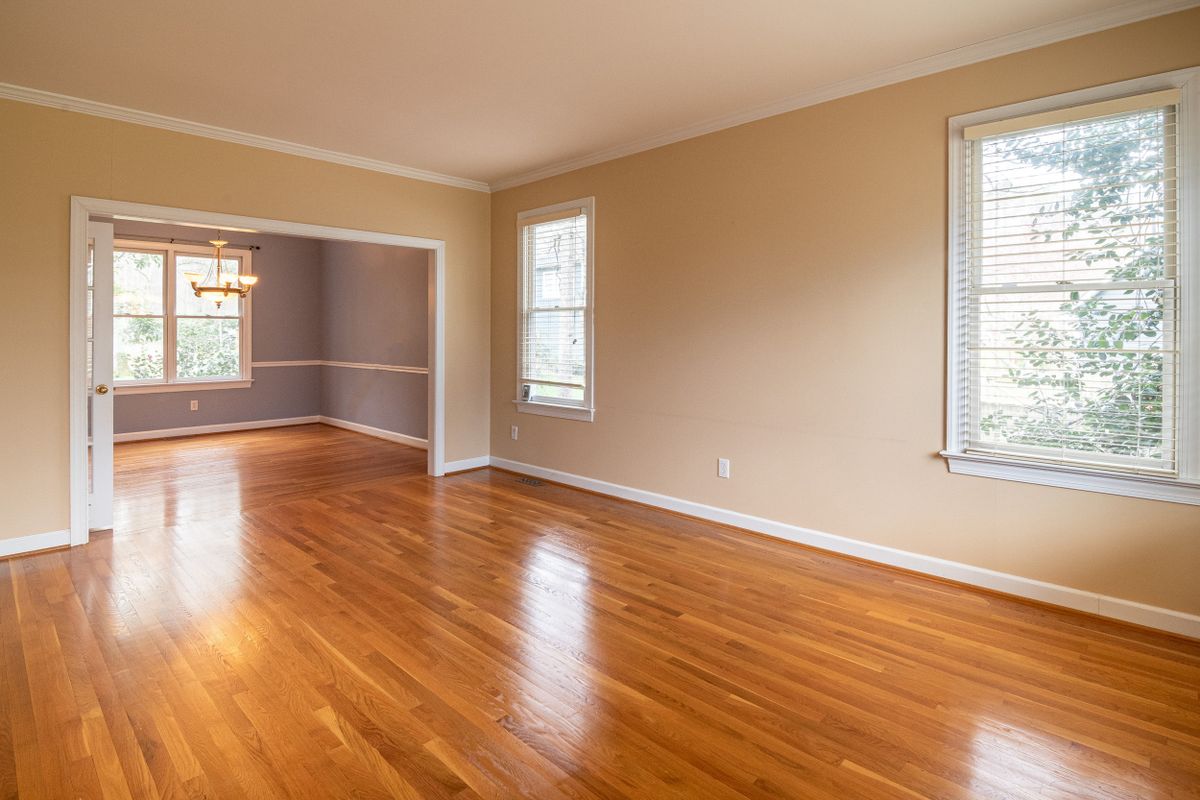
A floor that lifts, arches, or pushes upward is telling you something changed. Moisture and expansion are the common places to investigate.
Was there recent water?
Think about plumbing leaks, appliance leaks, flooding, wet mopping, and exterior water intrusion. If buckling appeared after a water event, investigate the moisture before replacing the floor.
Could humidity be involved?
Some flooring materials expand and contract as conditions change, and installation needs to allow for that expected movement.
Is there enough expansion space?
Some floating floors require space around the perimeter so the flooring can move. If movement is restricted, the floor can push upward.
What about the subfloor?
Moisture or movement below the finished floor can affect what you see above it.
Don't force it flat
Adding weight or fastening a buckled floor without identifying the cause may hide the symptom without solving the problem.
When should I get help?
Consider professional evaluation when:
- Buckling affects a large area.
- Moisture is present.
- The subfloor may be damaged.
- The flooring keeps moving.
- You don't know why the problem developed.
Find Local Flooring Help