
Plumbing Help in Dallas: Common Problems & What to Do Next
Short answer: Turn off your home's main water shutoff valve immediately if water is actively leaking or sewer lines back up. Contact a licensed plumbing contractor to evaluate...
By Everyday Home Advice Editorial Team
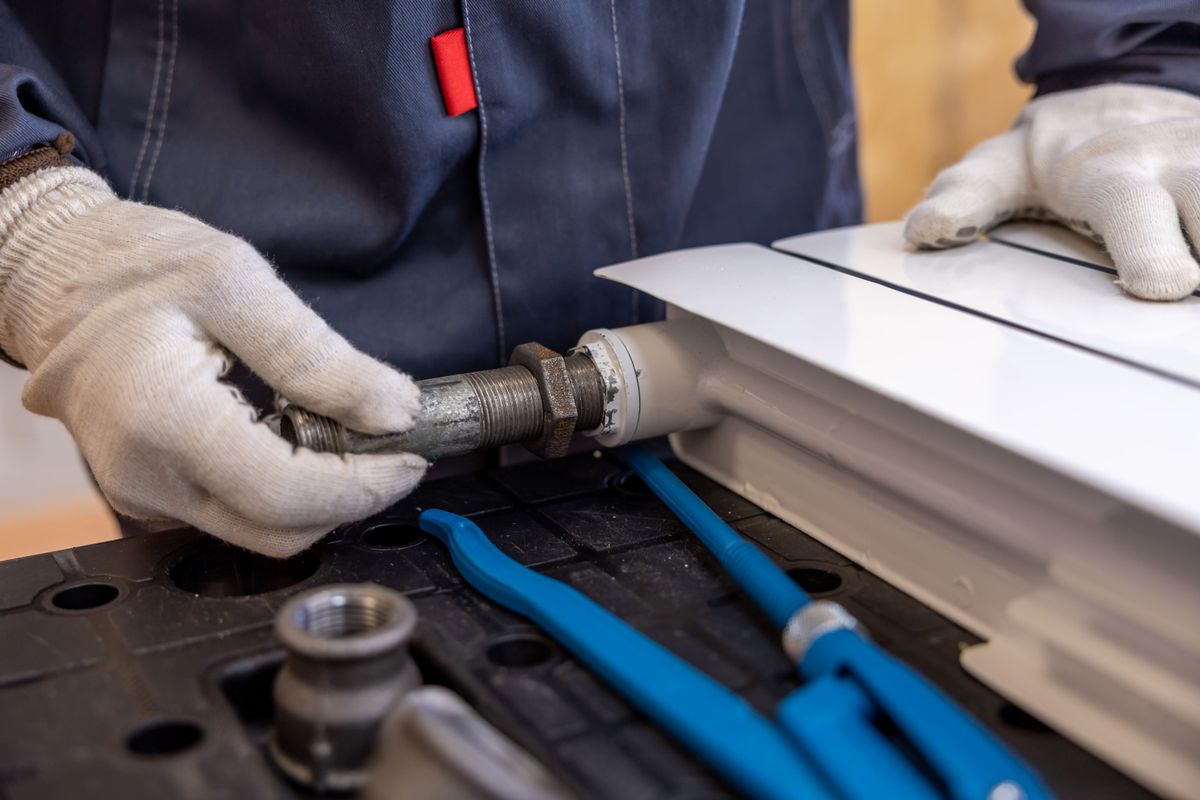
Short answer: Turn off your home's main water shutoff valve immediately if water is actively leaking or sewer lines back up. Contact a licensed plumbing contractor to evaluate hidden slab leaks, severe pipe blockages, or water heater failures. Rapid action prevents structural damage, foundation movement, and severe drywall deterioration caused by North Texas clay soil shifts.
Identifying Common Plumbing Symptoms in Dallas Homes
Plumbing issues range from minor fixture drips to severe structural threats. Recognizing early symptoms helps homeowners act before water damages subfloors, framing, and drywall. Active leaks, sewage surfacing in fixtures, or a total loss of water pressure represent immediate emergencies. Slow-draining sinks, minor faucet drips, or slight water heater noises require timely evaluation but allow scheduling standard service calls. Water accumulating beneath a concrete slab foundation poses a direct risk to structural stability and requires immediate professional testing.
How DFW Clay Soil and Slab Foundations Impact Plumbing
Homes across Dallas-Fort Worth are built primarily on concrete slab foundations resting over expansive clay soil. This clay expands when saturated with moisture and shrinks significantly during hot, dry weather conditions. Continuous soil expansion and contraction exert heavy mechanical strain on concrete slabs and the underlying supply lines and sewer pipes. When clay soil shifts, subterranean copper lines and cast iron drain pipes can bend, crack, or separate at fittings. A supply line leak under a slab erodes supporting soil, causing unlevel flooring, cracked drywall, and structural displacement. Symptoms of a subterranean leak include warm spots on flooring, the sound of running water when all taps are off, elevated water bills, or damp carpet near slab perimeters.
Safe Homeowner Checks and Emergency Action Steps
Homeowners can safely perform basic visual checks and emergency steps before a plumber arrives, provided no electrical hazards exist.
Initial Safety Checks
Inspect exposed supply tubes under sinks, behind toilets, and near water heaters for corrosion or active dripping. Locate your water meter near the street curb. If no water is running inside the home but the meter's leak indicator dial continues to rotate, water is escaping somewhere on the property line. Identify your main water shutoff valve and confirm it turns smoothly.
What Not to Touch
Do not attempt to modify or repair gas supply lines serving water heaters, as gas leaks create fire and explosion hazards. Never handle electrical panels or switches while standing in water. Avoid using chemical drain openers on severe main line blockages. Chemical cleaners can damage older pipe walls, create toxic fumes, and pose burn hazards to technicians during mechanical snake clearing.
Professional Diagnostic Testing and Repair Options
Licensed plumbers utilize specialized diagnostic equipment to pinpoint underlying pipe failures without destructive digging whenever possible.
Diagnostic Testing
Plumbers perform hydrostatic or air pressure tests to verify if supply lines hold steady pressure. To pinpoint underground slab leaks, technicians use electronic acoustic listening tools and thermal imaging cameras that trace temperature variations across concrete slabs. For drain lines, plumbers insert high-resolution video inspection cameras into main cleanout access points to examine internal pipe walls.
Repair Options and Replacement Choices
Slab leaks are resolved through localized concrete excavation, pipe rerouting through wall frames or attic spaces, or complete line replacement. Rerouting is frequently chosen in older homes to avoid breaking interior slab floors. Damaged main sewer lines can be cleared of root intrusion, repaired through targeted excavation, or restored using trenchless epoxy lining depending on structural pipe integrity.
Key Factors That Drive Plumbing Repair Costs
Plumbing repair costs depend on several technical variables rather than fixed baseline rates. Accessibility is a primary cost factor. A leak inside an open cabinet requires far less labor and restoration than a pipe break buried deep beneath a concrete slab or buried under landscaping. Diagnostic complexity also affects expenses, as tracing non-pressurized drain leaks requires specialized video inspection equipment. Material selection, pipe diameter, and whether the job requires open trench excavation or specialized trenchless technology influence the total price. Service calls scheduled during emergency hours or holidays incur higher rates. Additionally, jobs requiring municipal permits, backflow testing, or floor restoration add to the scope of work.
Preventing Freeze Damage and Hard Water Mineral Scale
North Texas winter freezes and naturally hard water supplies create ongoing maintenance demands for home plumbing systems. Sub-freezing winter weather can freeze and burst uninsulated pipes running through unconditioned attic spaces or exterior walls. Insulate exposed attic piping with foam sleeves, disconnect outdoor garden hoses before cold weather, and install insulated covers over exterior hose bibbs. During extreme freeze events, allow interior faucets to drip slowly to relieve hydraulic pressure. Hard water contains high concentrations of dissolved calcium and magnesium that form scale inside water heaters, valves, and aerators. Sediment accumulation in tank water heaters reduces heating efficiency and accelerates tank bottom corrosion. Flush tank water heaters annually to clear sediment, and consider installing a water softener to protect internal pipe walls and plumbing fixtures.
Common questions
How do I locate and turn off my main water shutoff valve?
The main shutoff valve is typically located in a meter box near the street curb or where the main supply line enters the home. Turn the hand valve clockwise, or use a water meter key to rotate the street valve knob a quarter-turn until it sits perpendicular to the pipe.
How do I know if a clog is in one pipe or the main sewer line?
If a single fixture drains slowly, the obstruction is isolated to that fixture's branch drain. If using a sink causes water to back up into a bathtub, or if flushing a toilet forces water out of low-lying floor drains, the main sewer line is blocked.
Are plumbing contractors required to be licensed in Texas?
Yes. Plumbing contractors in Texas are licensed through TDLR and must carry required liability insurance. General contractors are not licensed statewide in Texas.
When should I replace a water heater instead of repairing it?
If a water heater is under eight years old and suffers a failed valve or heating element, repair is generally cost-effective. If the storage tank itself is leaking, heavily corroded, or over ten years old, full replacement is necessary because corroded steel tanks cannot be safely repaired.