
Should I Repair or Replace My Water Heater?
A water heater problem doesn't automatically mean you need a new water heater. Start with what actually failed.
By Everyday Home Advice Editorial Team
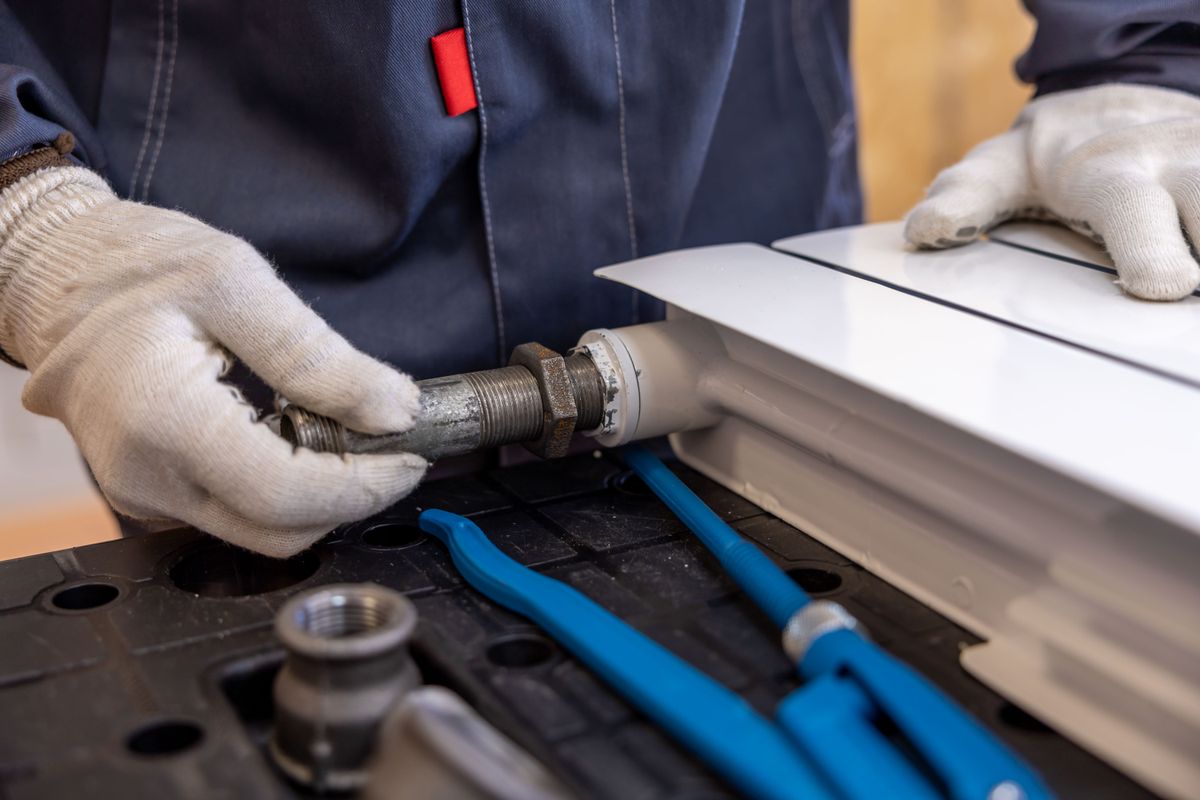
A water heater problem doesn't automatically mean you need a new water heater. Start with what actually failed.
Get the problem identified first
A replaceable component is a very different situation from a leaking or badly deteriorated tank. Understand the diagnosis before comparing repair and replacement.
Look at the tank itself
Visible corrosion, deterioration, or a leak from the tank carries far more weight than a single failed component.
Look at repair history
One repair isn't a pattern. Several repairs in a short period tell you much more. Keep previous service invoices if you have them.
Does the current heater meet your needs?
Think about hot-water capacity, recovery time, household size, energy source, available space, and how your household actually uses hot water. Replacement can be a chance to fix a heater that no longer fits the way you live.
Don't compare only today's repair bill
Weigh what failed, the condition of the tank, previous repairs, the expected remaining service life, what a replacement installation would require, warranty coverage, and your household's needs.
Questions to ask
Ask whoever diagnoses the heater:
- What exactly failed?
- Is the tank itself sound?
- Is this likely to be a one-time repair?
- Are there other obvious problems?
- What is included in a replacement quote?
- What warranty comes with the repair or the replacement?
Need the problem diagnosed before deciding? Find Local Plumbing Help