
Water Heater Leaking From the Bottom: What It Could Mean
Water around the bottom of a water heater deserves prompt attention, but don't assume the tank has failed. Water can travel down the outside of the heater before it collects on...
By Everyday Home Advice Editorial Team
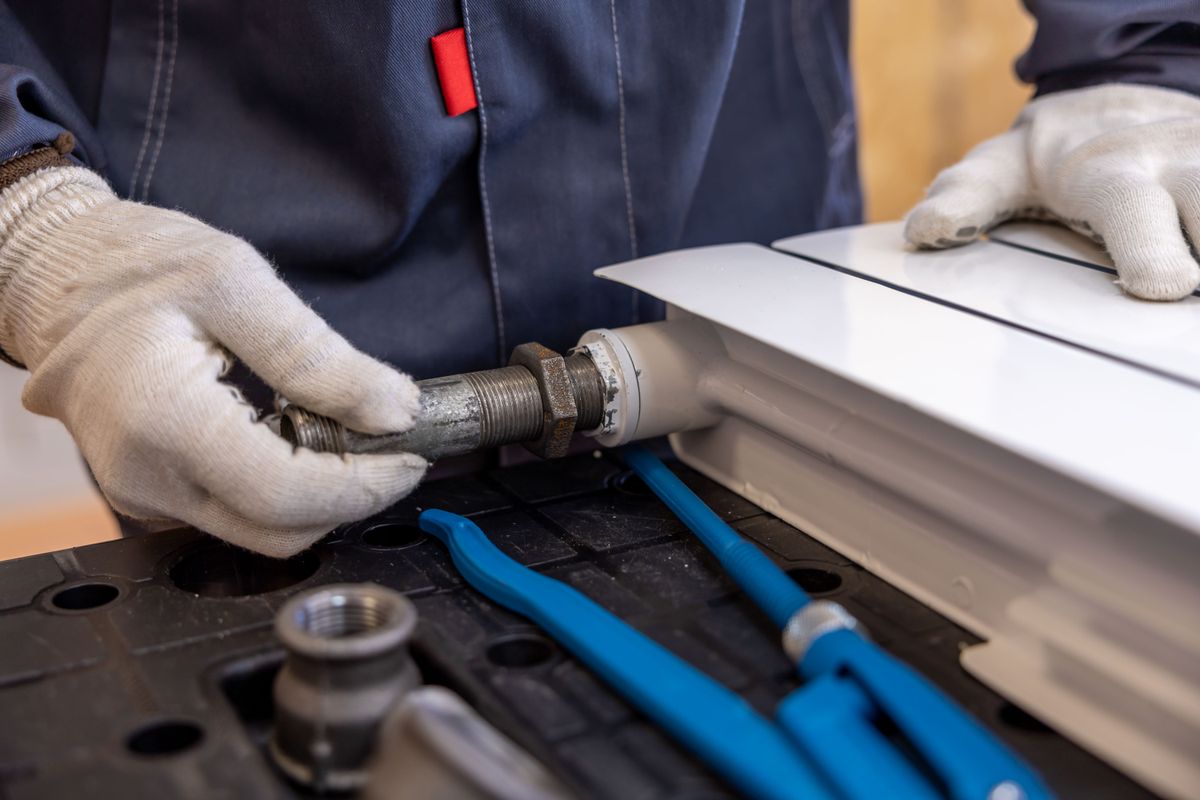
Water around the bottom of a water heater deserves prompt attention, but don't assume the tank has failed. Water can travel down the outside of the heater before it collects on the floor.
Look above the puddle
From a safe position, check for moisture around the visible plumbing connections and valves. A leak higher on the system can run down the side and make it look like the tank bottom is leaking. Also make sure the water isn't coming from nearby plumbing or equipment.
Could it just be condensation?
Sometimes. But a growing puddle, or water that keeps coming back, shouldn't be written off as condensation. Find the source.
What if the tank itself is leaking?
A leak from the tank body points to corrosion or tank failure, which is a very different situation from replacing a fitting. A failed tank usually makes replacement the practical option.
Water and electricity
Stay out of wet areas around energized equipment, and don't remove electrical covers. Gas-fired heaters add combustion and gas-safety concerns to the same job.
Stop the water if you safely can
If water is actively escaping and you know how to safely operate the appropriate water shutoff, stop the incoming water. If you're unsure which valve to use or a valve won't operate, get help.
Repair or replace?
The source of the leak should drive the decision. A leaking connection doesn't automatically mean a new water heater. A leaking tank is another matter. For an active water-heater leak: Find Local Plumbing Help