
Why Does My Sink Smell Like Sewer?
A sewer smell at a sink doesn't necessarily mean the sewer line is the problem. The odor can come from buildup around the drain, a dry trap, or a drainage or venting issue.
By Everyday Home Advice Editorial Team
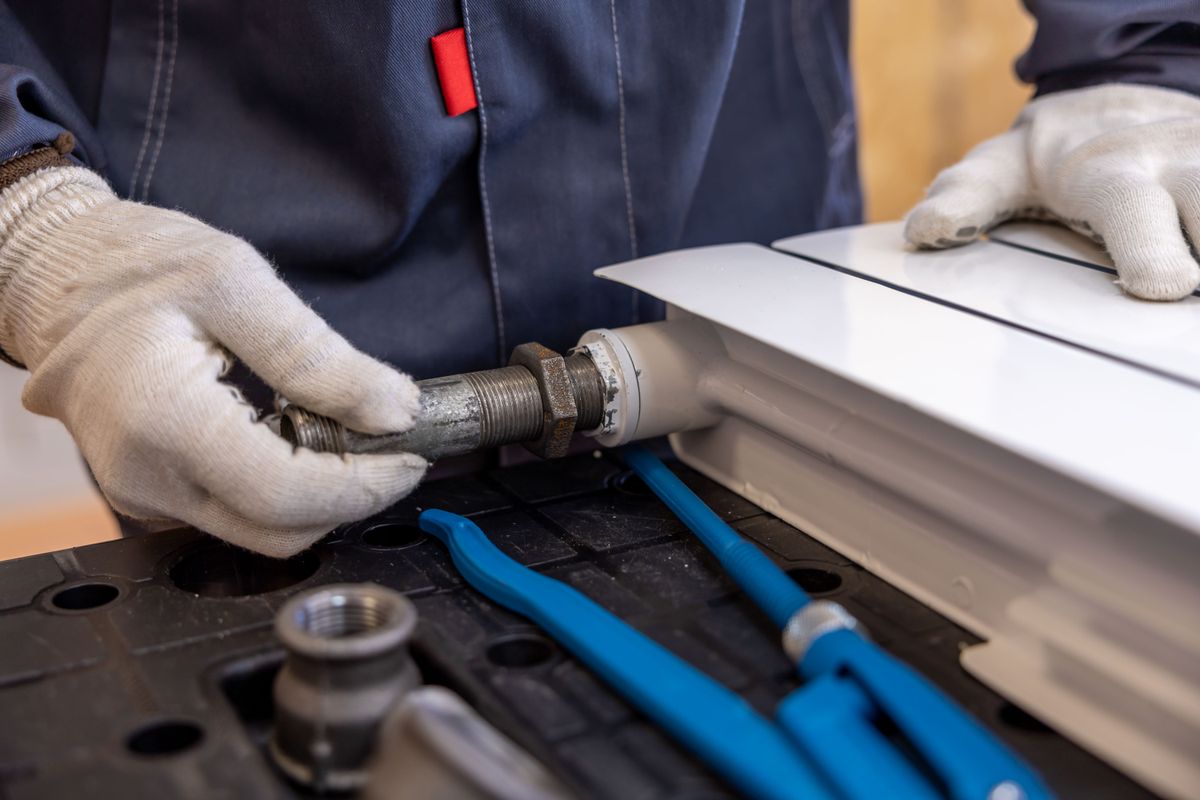
A sewer smell at a sink doesn't necessarily mean the sewer line is the problem. The odor can come from buildup around the drain, a dry trap, or a drainage or venting issue.
Start by finding where the smell is strongest
Smell near the drain opening. Check whether the sink drains normally. Then notice whether the odor shows up at one fixture or in several parts of the house. Those details matter.
Is it a sink that rarely gets used?
The curved trap below a sink normally holds water, and that water blocks sewer gases from entering the room. In a fixture that sits unused for weeks, the trap water can evaporate. Running the tap for a bit usually restores the seal.
What if you use the sink every day?
Buildup around the drain, stopper, or overflow can create unpleasant odors. Cleaning the accessible parts may help. Avoid mixing drain chemicals or household cleaning products. Combining incompatible chemicals can create dangerous fumes.
When should you suspect something bigger?
Pay closer attention when:
- Several drains smell.
- Drains are also slow.
- You hear frequent gurgling.
- The smell keeps returning.
- A trap repeatedly seems to lose its water.
- The odor is strong across part of the house.
Together, these can point to a drainage or venting problem that needs actual diagnosis.
Should I ignore a sewer smell?
No. A brief odor with an obvious cause is one thing. A strong, persistent, or unexplained sewer-gas smell deserves attention. If the odor continues after the basic checks: Find Local Plumbing Help