
Is Condensation on Windows a Problem?
Short answer: Condensation on the interior or exterior glass surface indicates a humidity or temperature imbalance, which is often manageable through ventilation and moisture...
By Everyday Home Advice Editorial Team
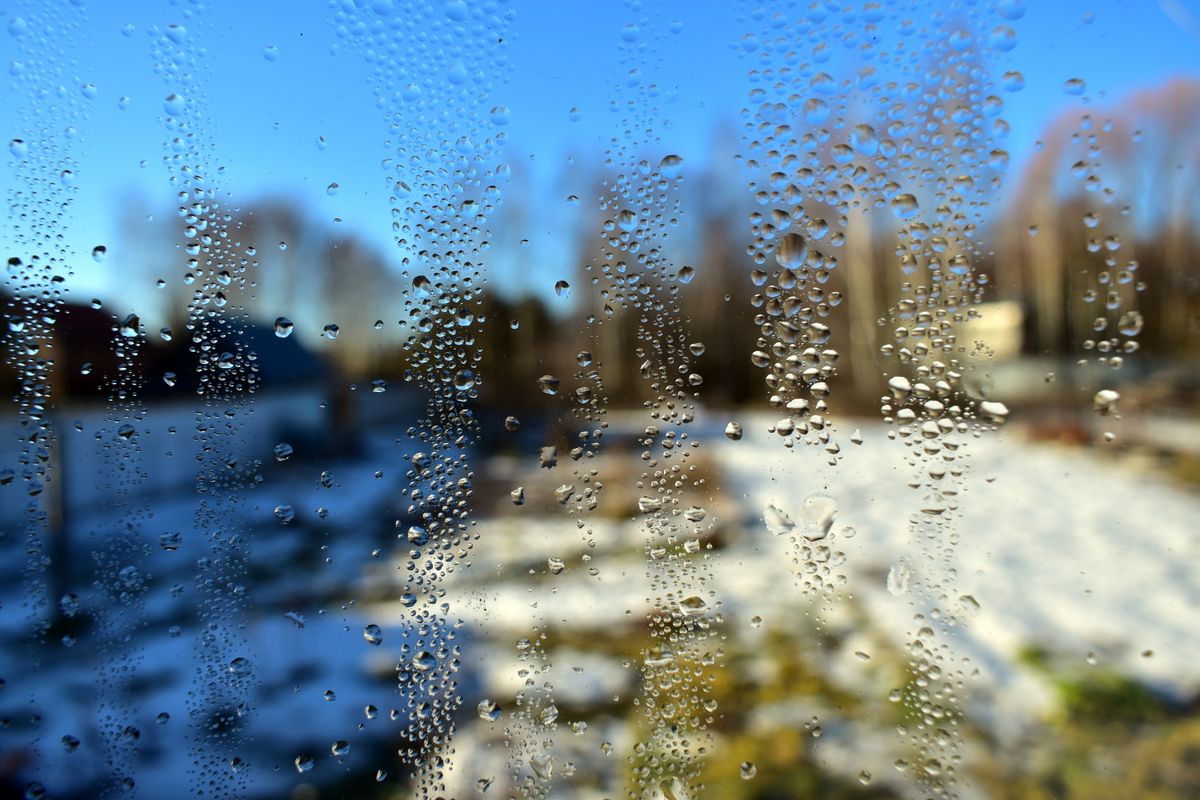
Short answer: Condensation on the interior or exterior glass surface indicates a humidity or temperature imbalance, which is often manageable through ventilation and moisture control. However, condensation trapped between double-pane or triple-pane glass units means the factory edge seal has failed, allowing air and moisture into the sealed space. While surface condensation can cause secondary water damage and mold growth if ignored, fogging between glass panes requires glass pane or window unit replacement to restore thermal performance.
Identifying Window Condensation Types and Causes
Window condensation forms when warm, moisture-laden air hits a surface that is at or below the dew point temperature. The location of the moisture reveals the underlying cause.
Interior Condensation
Moisture forming on the room side of the glass occurs when indoor relative humidity is high relative to the temperature of the window surface. Cold outdoor air chills the glass in winter, while humid indoor air from cooking, showering, or unvented appliances condenses on the cold pane.
Exterior Condensation
Moisture on the outside face of the window happens when outdoor relative humidity is high and the exterior glass surface drops below the dew point. This frequently occurs on clear summer mornings when air conditioning cools the interior glass surface. Exterior condensation is normal and typically dissipates as the sun warms the glass.
Between-Pane Condensation
Fog, haze, or water droplets between double-pane or triple-pane insulated glass units signal a failed perimeter seal. Insulated windows rely on a sealed air space filled with air or inert gas to resist heat transfer. Once the seal breaks, ambient air enters the space, and changing weather causes persistent fogging inside the assembly.
How Serious Window Moisture Can Be
Surface condensation is not merely a visual annoyance. When droplets accumulate on glass, gravity pulls water down into the window sash, frame, sill, and surrounding wall cavity. Persistent moisture on wooden frames and sills causes finish degradation, wood rot, and structural softening. Excess moisture along window perimeters frequently triggers mold growth on drywall, window casings, and caulking joints. Mold spores thrive in dusty window tracks where moisture collects regularly. Between-pane seal failure does not cause immediate structural damage to the home, but it drastically reduces the window's insulating value. Over time, moisture trapped between panes can leave mineral deposits and etched glass surfaces that obscure light and views permanently.
Safe Homeowner Checks and What Not to Touch
Homeowners can perform several initial checks to evaluate moisture sources safely without damaging window assemblies.
What You Can Safely Check
Measure indoor relative humidity with a standalone digital hygrometer. Verify that bathroom exhaust fans, kitchen hoods, and clothes dryers vent to the outside rather than into the attic or crawl space. Inspect interior window sills, tracks, and surrounding drywall for soft spots, bubbling paint, or dark discoloration. Check perimeter window caulk and weatherstripping for gaps, cracks, or missing sections. * Wipe away surface condensation promptly using clean towels to protect wood trim and drywall.
What Not to Touch
Do not attempt to drill holes into insulated glass units to drain water or clear fog. Drilling compromises glass integrity, voids manufacturer warranties, and creates a risk of glass shattering. Avoid scraping glass coatings or removing factory sealants. Do not tear into drywall or remove structural framing around a leaking window if large-scale mold is present. Texas law requires licensed mold remediation contractors through TDLR for mold projects exceeding specific area thresholds. General contractors are not licensed statewide in Texas, so specialized water damage and mold work should be handled by appropriately licensed individuals.
Professional Diagnostics and Repair Options
When window moisture persists or water damage extends into surrounding walls, professional evaluation identifies the source and extent of the issue.
Diagnostic Methods
A licensed A/C contractor through TDLR can inspect HVAC ductwork, return air pressures, and relative humidity control systems. Water damage and moisture specialists use non-destructive pinless moisture meters and thermal imaging cameras to track hidden water migration inside drywall and framing around window openings. Window specialists assess frame squareness and seal integrity.
Repair Options
For surface condensation issues, solutions focus on mechanical ventilation, indoor humidity reduction, and air circulation. Replacing non-functioning bath fans or adding a dedicated dehumidifier restores balance. For between-pane failure, the window frame often remains sound while the insulated glass unit requires replacement. Glazing professionals can order and install a replacement glass unit into the existing frame without tearing out interior trim or exterior siding.
Repair Versus Replacement and Cost Drivers
Determining whether to repair components or replace the full window depends on frame condition, window age, and structural integrity. If the window frame is structurally sound, free from rot, and operates smoothly, replacing only the failed insulated glass unit is a practical option. If the frame is warped, rotten, or racked out of square, full window unit replacement is necessary. Key factors that drive repair and replacement costs include: Window frame material, such as vinyl, aluminum, wood, or composite. Size and accessibility of the window, including multi-story access requirements. Glass specifications, such as low-emissivity coatings, laminated impact glass, or specialized gas fills. Extent of secondary water damage to surrounding drywall, interior trim, and structural wall framing. * Need for specialized trade labor, including licensed TDLR contractors for HVAC adjustments or mold remediation work.
DFW Climate and Housing Considerations
North Texas homes experience distinct environmental stressors that contribute to window condensation and seal failure. Extreme summer heat paired with high ambient humidity places heavy demand on air conditioning systems. Cold supply air directed against window glass lowers the surface temperature below the dew point, causing exterior condensation or interior moisture when indoor humidity rises. Attic air handlers with leaking return ducts can pull hot, humid air from the attic space into the living areas, driving up indoor relative humidity. Rapid temperature swings during winter freeze events chill glass quickly while indoor heating systems attempt to maintain comfortable conditions. Moisture from daily living condenses rapidly against cold glass panes during these cold snaps. In addition, expansive clay soil throughout the Dallas-Fort Worth region moves with moisture shifts, causing slab foundations to settle and shift. Soil expansion and contraction can rack window openings, putting uneven pressure on window frames and snapping glass seals over time. Aging housing stock across older DFW neighborhoods often retains original single-pane or early dual-pane windows that lack modern thermal breaks, making them particularly vulnerable to condensation issues.
Prevention Strategies
Preventing window condensation requires controlling indoor moisture sources and maintaining window assembly seals. Maintain moderate indoor relative humidity throughout the year. Run bathroom exhaust fans during showers and for several minutes afterward. Use kitchen vent hoods while cooking, and ensure clothes dryer exhaust ducts remain clean and vented outdoors. Maintain clear airflow around windows by opening blinds or drapes during cold weather to allow warm air to circulate across glass surfaces. Ensure HVAC supply vents are not blowing cold air directly against glass panes in summer. Inspect exterior caulk and weatherstripping annually, renewing degraded sealants to prevent rain and outdoor humidity from bypassing window flashing.
Common questions
Is condensation on the inside of my windows always a sign of a bad window?
No. Interior condensation usually points to elevated indoor humidity or inadequate air circulation rather than a window defect. Lowering indoor moisture levels or improving ventilation usually resolves the issue.
Why do my windows fog up only on summer mornings?
Summer morning fog on the outside of windows happens when cold air conditioning lowers the glass temperature below the outdoor dew point. As the morning sun warms the glass and ambient air, the condensation evaporates naturally.
Can a failed window seal cause mold growth inside my home?
A failed window seal itself traps moisture between panes, which lowers efficiency but rarely causes mold inside the room. However, surface condensation that runs down onto wooden sills and drywall can create ideal conditions for mold growth.
Should I repair or replace a window that has fog between the glass panes?
If the window frame, sash, and hardware are in good condition, replacing just the insulated glass unit is sufficient. Full window replacement is necessary if the frame is rotten, warped, or improperly installed.