
Why Is Mold Growing Around My Windows?
Short answer: Mold grows around windows when continuous moisture builds up on or inside the window assembly, providing a breeding ground for fungal spores. This moisture is...
By Everyday Home Advice Editorial Team
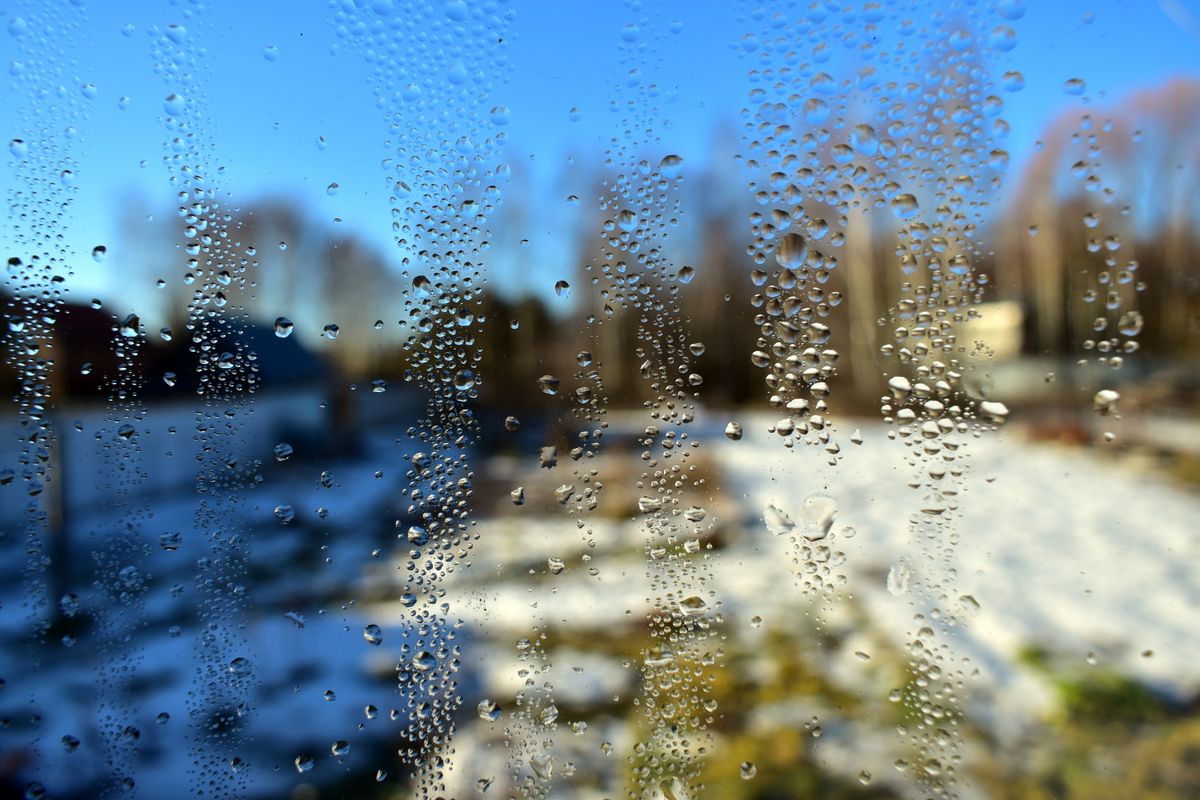
Short answer: Mold grows around windows when continuous moisture builds up on or inside the window assembly, providing a breeding ground for fungal spores. This moisture is typically caused by interior air condensation on cold glass, exterior rain leaking through degraded caulking or flashing, or a failed insulated glass unit seal that allows trapped water to seep into surrounding materials.
Identifying window mold and understanding the causes
Visible window mold usually appears as dark green, black, or brown spotting along vinyl tracks, wooden sills, drywall returns, or interior caulking joints. Identifying where the moisture originates is essential to treating the problem effectively, as different mechanisms produce similar visible symptoms. Surface condensation is a common cause of window mold. When warm, humid indoor air comes into contact with glass or metal window frames cooled by outdoor temperatures or air conditioning, the air drops below its dew point. Liquid water collects on the non-porous glass or frame and drips onto porous sills and drywall below. Exterior water intrusion occurs when rainwater bypasses damaged exterior sealant, cracked trim, or improperly installed flashing. Instead of remaining on the outside of the building envelope, water travels through gaps around the window frame, saturating structural wall studs and interior drywall from behind. Blown insulated glass unit seals represent a third distinct mechanism. Double-pane windows rely on a sealed air space between glass panels. When this seal fails, moisture-laden air enters the chamber, creates interior fogging, and drains liquid water into the bottom sash and track channel over time.
Assessing severity and safe homeowner checks
Surface mold on non-porous materials like glass or clean vinyl window tracks is generally cosmetic if caught early. However, when mold establishes growth on porous materials such as drywall returns, wood casing, or timber framing inside the wall, the situation becomes far more serious. Sustained moisture in these areas can weaken structural wood studs and decay the wall assembly. Homeowners can safely perform several visual and functional checks to locate moisture sources:
- Inspect exterior weep holes at the bottom of the window frame to confirm they are clear of dirt, insect nests, or heavy paint.
- Check interior and exterior caulk lines for cracking, shrinking, or complete separation from the siding or brick veneer.
- Observe glass panes for persistent internal fogging or liquid pooling between the panes.
- Press gently on the drywall surrounding the window frame to feel for soft spots, swelling, or dampness.
What not to disturb and professional evaluation
Avoid cutting into, scraping, or tearing away soft, heavily mold-contaminated drywall without proper containment. Physical disruption releases millions of airborne fungal spores into the home, spreading contamination into living areas and mechanical ductwork. Additionally, do not spray liquids or probe near electrical outlets, light switches, or motorized window shade wiring embedded in damp wall returns. When water damage is widespread or hidden inside the wall, professional assessment is necessary. Technicians use pinless moisture meters to map moisture paths through drywall without damaging finishes, along with pin-type meters to measure deep moisture content in structural wood framing. Thermal imaging cameras help identify cold spots where water is accumulating behind plaster or drywall. If indoor air quality is a concern or mold covers a large area, testing should be handled by a professional. In Texas, mold assessment consultants and mold remediation contractors are licensed through the Texas Department of Licensing and Regulation (TDLR) to ensure proper containment, sampling, and abatement protocols are met.
Remediation, repair, and replacement choices
Remediation depends on the depth of water penetration. Minor surface growth on non-porous vinyl frames can be cleaned with standard household detergents. Aged interior sealant should be scraped away and replaced with flexible, high-grade interior caulking. Clear clogged exterior weep holes so built-up rainwater drains properly to the outside. When choosing between repair and replacement, evaluate the condition of the window assembly and surrounding structure:
- Repair is appropriate when the window frame is structurally sound, exterior flashing is intact, and water damage is limited to failing interior caulk or localized surface growth.
- Replacement is necessary when the insulated glass seal has failed, the window frame is warped, or wood rot has compromised the structural sill and wall framing.
Overall repair costs are driven by the structural scope of the damage. Key cost factors include whether hidden wall studs require replacement, the height and accessibility of the window on the home exterior, custom window sizing, and whether the project exceeds threshold limits that require formal containment under TDLR mold remediation regulations.
Dallas-Fort Worth structural and climate factors
The Dallas-Fort Worth climate creates unique moisture pressures on window systems. The region experiences prolonged, hot cooling seasons where residential air conditioning units run continuously. Heavy air conditioning use keeps interior window glass and metal frames cold for months at a time. When hot, humid outdoor air or elevated interior humidity meets these chilled window surfaces, persistent condensation develops. Structural movement is another key factor in North Texas. The region's expansive clay soil expands when wet and shrinks during hot, dry weather, causing ongoing foundation shifting. This movement distorts window rough openings, stretching exterior trim, pulling frames out of square, and splitting perimeter caulk lines. Broken caulk seams allow wind-driven rain from intense thunderstorms to penetrate the wall cavity behind the frame. Additionally, severe weather events impact window integrity. Hail storms can crack vinyl frames and breach sealed glass units, while sudden winter freeze events create extreme thermal swings across window assemblies, accelerating seal degradation.
Prevention and indoor moisture control
Preventing window mold requires managing indoor relative humidity and maintaining window seals:
- Run bathroom exhaust fans during showers and for at least twenty minutes afterward. Ensure that exhaust ducts route moisture completely outside the building envelope rather than venting into the attic.
- Use kitchen range hoods while cooking to remove airborne moisture and steam.
- Maintain home cooling systems. A TDLR-licensed A/C contractor can confirm that equipment is properly sized and operating at correct airflow rates to pull humidity from the air effectively.
- Keep interior blinds, shades, or draperies open slightly during high-humidity periods to promote continuous air movement across cold glass surfaces.
Common questions
Why does mold keep returning after I clean it off my window sill?
Cleaning removes surface growth but does not fix the moisture source. If condensation continues to collect on cold glass or water leaks through exterior gaps, airborne mold spores will quickly recolonize the damp surface.
Does a general contractor need a state license for window replacement in Texas?
General contractors are not licensed at the state level in Texas. However, specific trades involved in complex repairs do require state licensing. For instance, mold remediation exceeding minimum threshold limits requires a TDLR-licensed mold contractor, and electrical or HVAC work requires appropriately licensed TDLR tradespeople.
How can I tell if mold is caused by interior condensation or an exterior leak?
Condensation usually forms evenly across glass surfaces and metal tracks during high-humidity days or extreme temperature drops. Exterior leaks typically produce concentrated water staining, soft drywall, or decay at localized window corners or top headers immediately following rainfall.
Can a failed window seal cause mold inside the house?
Yes. When an insulated glass seal breaks, moisture accumulates inside the double-pane assembly. Over time, this trapped liquid runs down into the lower track and sill, seeping into adjacent interior drywall and timber framing.