
Why Does My Washing Machine Smell Bad?
Short answer: A foul smell in a washing machine stems from detergent residue, fabric softener, lint, and body oils trapped in stagnant moisture inside the drum, rubber door...
By Everyday Home Advice Editorial Team
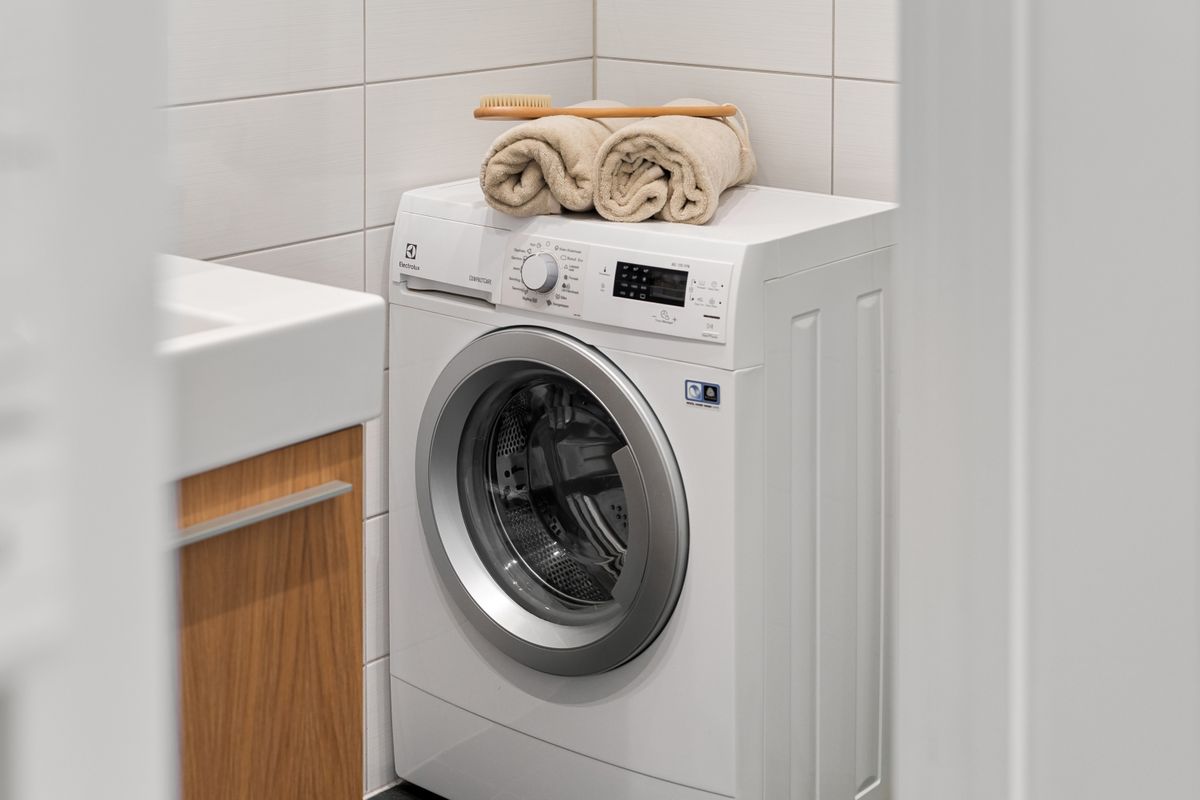
Short answer: A foul smell in a washing machine stems from detergent residue, fabric softener, lint, and body oils trapped in stagnant moisture inside the drum, rubber door gasket, dispenser drawer, or drain line. In front-load units, the door boot gasket frequently harbors mold, while top-load units collect grime under the agitator or outer tub. Running hot self-cleaning cycles with dedicated tub cleaner, clearing the drain pump filter, wiping down seals, and leaving the door open between loads usually resolves the problem.
Identifying Washer Odors and Their Causes
Understanding where an odor originates makes troubleshooting simpler. Washing machines hold moisture continuously, creating ideal breeding grounds for bacteria, mildew, and slime.
Front-Load Machines
Front-load washers use less water than top-load designs, which means leftover detergent does not always rinse away completely. The flexible rubber door boot gasket traps water, lint, and stray fibers in its bottom folds. Over time, black mold and mildew flourish in these sealed crevices. Additionally, the detergent dispenser drawer often accumulates a gel-like buildup of liquid fabric softener and soap scum that breeds mildew.
Top-Load Machines
Top-load washers rarely trap water at the door seal, but residue collects in hidden areas. Soap scum, hard water scale, and lint coat the invisible outer surface of the inner wash tub and the interior walls of the outer tub. Fabric softener dispensers located on top of the central agitator or rim can clog with thick residue. If an agitator cap seal fails, organic material settles beneath the agitator assembly where normal rinsing cycles cannot reach.
When a Bad Odor Signals a Serious Issue
A smelly washer is usually a maintenance concern, but certain odors indicate larger home health or plumbing risks. Musty, moldy smells inside the tub can transfer fungal spores to clothing, causing skin irritation or triggering respiratory issues for sensitive household members. A sharp, sewage-like odor or a rotten egg smell often points to a plumbing failure rather than simple washer grime. Washing machine drain hoses discharge into a dedicated wall standpipe equipped with a P-trap. If the P-trap dries out from lack of use or loses its water seal due to venting defects, sewer gases enter the home through the standpipe. Alternatively, a clogged drain line can cause dirty wastewater to back up into the machine drum, posing a contamination hazard.
Safe Homeowner Inspections and What Not to Touch
Homeowners can perform several safe visual checks and basic cleaning procedures without disassembling major mechanical parts. Safely check these components:
- Pull back the folds of the rubber door gasket on front-load machines to check for dark mold spots or trapped objects like coins and socks.
- Slide out the detergent drawer, inspect the underside for slime, and check the housing slot for standing water.
- Locate the lower front drain pump filter access door on front-load models. Place a towel underneath, open the drain plug, and remove trapped lint or debris.
- Inspect the flexible drain hose behind the appliance for kinks, crushed sections, or deep sagging where dirty water might pool.
What not to touch: Do not remove cabinet panels, electrical wiring harnesses, or internal motor assemblies. Internal components carry shock hazards even when unplugged if capacitors retain a charge. Do not force open the drain filter while the unit is running or filled with hot water. If you suspect a clogged wall standpipe or main sewer line, do not pour harsh chemical drain openers down the washing machine drain pipe.
North Texas Climate and Hard Water Factors
Environmental conditions in Dallas-Fort Worth directly affect how quickly odors develop inside laundry appliances. Municipal water across the DFW region contains elevated mineral levels. Calcium and magnesium in hard water react with soap fats to form insoluble mineral scale and soap curd. This sticky layer adheres firmly to washer drums, outer tubs, and internal drain lines, giving bacteria and mold a rough surface to cling to. Using full detergent doses in hard water environments creates excess suds that fail to rinse away, accelerating residue buildup. Laundry room placement also plays a role in local homes. Many regional floor plans position washing machines in unconditioned garages, enclosed utility closets near exterior walls, or small utility rooms with poor ventilation. During humid summer weather, temperatures in these unconditioned spaces rise significantly. High heat combined with leftover dampness inside a closed machine accelerates bacterial growth within hours. Furthermore, during winter freeze events, uninsulated exterior wall plumbing can restrict drainage flow, causing stagnant rinse water to collect in the drain assembly.
Professional Repairs, Diagnosis, and Cost Drivers
When routine cleaning does not eliminate the odor, professional intervention may be required to inspect internal components or home plumbing connections. An appliance repair technician evaluates the condition of the drive system, internal tub surfaces, drain pump impeller, and water level switches. If odor stems from heavy sludge sandwiched between the inner and outer drums, the technician may need to completely disassemble the tub assembly to manually scrape and sanitize the components. If sewer gas is escaping from the wall standpipe, a plumber licensed through the Texas Department of Licensing and Regulation (TDLR) should test the drain lines, clear pipe blockages, or inspect the roof vent stack.
Repair versus Replace Considerations
If an older washer suffers from severe mold deep inside an inaccessible tub assembly along with worn drum bearings, replacing the unit is often more practical than paying for extensive labor. If the machine is relatively new and the issue is isolated to a clogged drain pump, worn door gasket, or external plumbing issue, targeted repair or component replacement makes sense.
What Drives Repair Costs
Several variables influence total repair expenses:
- Labor intensity required to access hidden parts, such as removing the inner drum.
- The need for replacement parts, such as a new door boot seal, drain pump, or dispenser housing.
- Whether the problem requires an appliance technician or a licensed plumber to correct home drain lines.
Preventive Care for Odor-Free Washers
Consistent preventative habits keep washing machines clean and odor-free:
- Leave the washer door or lid open after every load to allow air circulation and dry the tub interior.
- Wipe down the rubber door boot gasket and drum rim with a dry microfiber cloth after finishing laundry for the day.
- Run a monthly self-cleaning or hot cycle using a specialized washer cleaner tablet or liquid chlorine bleach.
- Measure high-efficiency (HE) detergent precisely, reducing dosage slightly to account for hard water buildup.
- Remove washed garments immediately after the cycle ends to prevent damp fabric from souring.
Common questions
Can vinegar and baking soda permanently eliminate washer odor?
Vinegar and baking soda can help loosen light soap scum, but they rarely eliminate heavy mold embedded inside door gaskets or trapped behind the outer drum. Using high-heat cycles with dedicated washer cleaner tablets or diluted chlorine bleach provides far more effective sanitization.
Why does my laundry room smell like rotten eggs when the washer runs?
A rotten egg smell usually points to sewer gas escaping from the drain standpipe or dirty wastewater backing up into the drain hose. If the P-trap dries out or the drain line is blocked, sewer gas travels up the pipe. A plumber licensed through TDLR can inspect and clear the home's drain lines.
How often should I clean the drain pump filter?
Clean the drain pump filter on front-load washers every one to three months. Clearing trapped lint, coins, and small items prevents standing water from stagnating in the bottom of the machine housing.
Why does my front-load washer smell worse than my old top-load washer?
Front-load washers rely on an airtight door seal to prevent water leaks during operation. Because the seal keeps air out, trapped moisture cannot evaporate naturally between uses, allowing mold to thrive in the rubber folds if the door remains closed.