
Why Is My Dishwasher Not Draining?
Short answer: Water remains in the bottom of a dishwasher when food debris, grease, or mineral scale clogs the filter basket, drain hose, air gap, or garbage disposal inlet....
By Everyday Home Advice Editorial Team
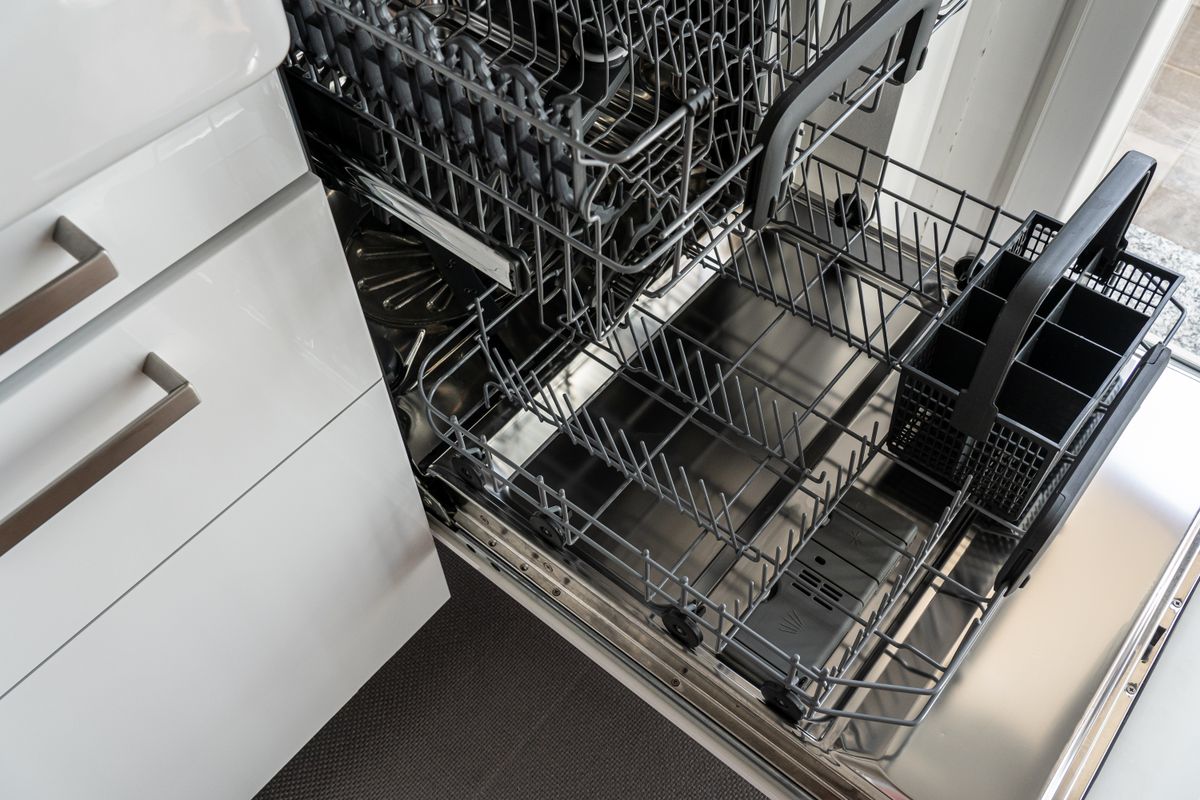
Short answer: Water remains in the bottom of a dishwasher when food debris, grease, or mineral scale clogs the filter basket, drain hose, air gap, or garbage disposal inlet. Draining problems also occur when the drain pump motor fails, the check valve sticks shut, or the control board fails to signal the drain cycle.
Identifying Dishwasher Draining Symptoms and Causes
Standing water inside a dishwasher usually collects in the bottom tub around the filter area, but severe blockages can cause dirty water to rise above the door threshold. Identifying where the water sits and when the cycle fails helps isolate the cause. A physical obstruction is a common cause of standing water. Food scraps, broken glass, labels from jars, and coagulated grease collect in the sump basin or filter screen. If these pass the filter, they can lodge in the drain pump impeller or the flexible drain hose. Line restrictions outside the machine also prevent proper water discharge. If a new garbage disposal was recently installed, the plastic knockout plug inside the disposal inlet nipple might still be intact. A twisted or kinked drain hose behind the unit or under the sink will also restrict water flow. Mechanical and electrical faults present differently. A humming motor with no water movement indicates a jammed pump impeller or a burned-out pump motor. No motor sound during the drain cycle suggests an electrical issue, such as a faulty door latch switch, a bad drain solenoid, or a damaged control circuit board.
Severity of Standing Water and Potential Risks
Leaving standing water inside a dishwasher creates immediate hygienic and operational risks. Stagnant wash water becomes a breeding ground for bacteria, mold, and unpleasant odors within a day or two. Unmanaged water can leak past the door gasket or flood through the lower basin, causing concealed structural damage. Water that leaks beneath the machine can rot wooden subflooring, damage lower kitchen cabinets, and ruin nearby drywall. Electrical hazard is another major concern. The drain pump, main motor, and heating element terminals sit low in the chassis beneath the wash tub. Prolonged flooding or internal seal leaks can submerge live electrical wiring, creating short circuits or tripping circuit breakers.
Safe Homeowner Checks and What to Avoid
Before calling a professional, homeowners can safely perform several visual and manual checks after disconnecting power to the unit at the circuit breaker panel. Start by removing the lower dish rack to access the tub floor. Bail out standing water using a cup or sponge so the filter assembly is visible. Twist and lift out the removable filter basket, then rinse away trapped food particles, grease, and debris under warm running tap water. Inspect the exposed sump area underneath for glass shards or plastic debris. Next, check under the kitchen sink. Inspect the flexible corrugated drain hose for visible kinks, sharp bends, or sagging loops that trap water. If the dishwasher connects to a countertop air gap, unscrew the chrome cap and clean out any buildup inside the plastic housing using a small brush. There are critical safety boundaries every homeowner must respect: Never pour chemical drain cleaners into a dishwasher. These harsh chemicals corrode internal rubber seals, degrade plastic sumps, and damage the drain pump. Never operate the machine without the filter assembly correctly installed, as debris will directly enter and destroy the pump motor. * Do not attempt to disconnect internal electrical wiring, test live terminal blocks, or disassemble the pump motor assembly while the appliance is connected to power.
North Texas Hard Water and Infrastructure Factors
Water supply in the Dallas-Fort Worth area contains high levels of dissolved calcium and magnesium minerals. When hard water heats up during wash cycles, these minerals precipitate out of solution and form solid scale deposits on interior surfaces. Mineral scale accumulates rapidly inside the narrow passages of the dishwasher drain system. Over time, calcium scale builds up inside the flexible drain hose, the sink air gap, and the small rubber check valve flapper that prevents dirty water from flowing back into the tub. When hard water scale combines with household cooking fats, grease, and food starches, it creates a thick, hardened paste. This residue restricts the inner diameter of drain lines, slowing the discharge rate until the pump times out before the tub is fully emptied.
Professional Diagnostic Steps and Repair Options
When primary checks do not resolve the issue, a professional technician follows systematic diagnostic procedures to pinpoint the failure. In Texas, specialized service professionals, including electricians, plumbers, and appliance repair contractors, are licensed through the Texas Department of Licensing and Regulation (TDLR) where required. A technician begins by verifying electrical power supply and testing the door switch continuity to ensure safety circuits close properly. Using a digital multimeter, the technician tests electrical resistance across the drain pump motor windings to check for short circuits or open coils. They also verify whether the main control board sends proper voltage to the pump motor during the drain cycle. If electrical systems pass inspection, the technician inspects mechanical components. They check the drain pump impeller for broken fins or foreign obstructions, inspect the check valve for stiff or swollen rubber, and verify that the drain line clears fully using specialized flush tools or low-pressure air.
Repair Versus Replacement and Cost Drivers
Deciding whether to repair or replace a non-draining dishwasher depends on the age of the machine, the underlying cause, and the overall mechanical condition. Replacing a simple component like a check valve, air gap, or clogged drain hose is straightforward and cost-effective. Even replacing a failed drain pump motor is often worthwhile on a unit that is less than six years old and otherwise in good working order. If the diagnosis reveals a failed main control board, a burned-out main pump assembly, or multiple failing components on an older machine, unit replacement is usually the better long-term choice. Several factors influence the overall repair cost: Component cost: Replacement OEM drain pumps and circuit boards carry higher material expenses than standard valves or hoses. Cabinet accessibility: Built-in units squeezed tightly into custom cabinetry or beneath low countertops require extra labor time to remove and reinstall safely. * Secondary damage repair: If a clogged drain path caused leaks that saturated surrounding cabinetry or subflooring, structural repairs will add to the total expense.
Preventive Maintenance for Clear Drainage
Consistent maintenance prevents drainage obstructions and extends the lifespan of the appliance. Scrape large food particles and heavy grease off plates into the trash before loading dishes. Avoid pre-rinsing dishes completely clean, as modern detergents rely on food soils to activate, but remove thick solid waste that can clog the filter screen. Clean the filter basket monthly under hot water using a soft brush and mild dish soap. Once every few months, run an empty hot water cycle using a commercially available dishwasher cleaner or citric acid crystals to dissolve mineral scale and grease buildup inside the internal plumbing lines. Always run the kitchen garbage disposal for a few seconds before starting the dishwasher to ensure the shared drain path under the sink is clear.
Common questions
Why is water leaking out of the air gap on top of my sink?
Water discharge from the countertop air gap indicates an obstruction in the hose leading from the air gap down to the garbage disposal or sink drain tailpiece. Cleaning out grease or scale from that lower hose section clears the blockage.
Why is my new dishwasher not draining after installation?
If a dishwasher is installed alongside a new garbage disposal, the installer may have forgotten to knock out the plastic drain plug inside the disposal's side inlet port. Removing this plug allows water to flow freely into the disposal.
Is it normal to have a small amount of water under the filter?
Yes, a small pool of clean water about a quarter to half an inch deep directly beneath the filter basket is normal. This standing water seals the internal pump seals to prevent them from drying out and cracking between cycles.
How do I know if the drain pump itself has failed?
If the machine reaches the drain portion of the cycle and emits a loud humming, grinding, or clicking noise without pumping water, or if it remains completely silent while the digital display indicates a drain cycle, the pump motor or its electrical feed has likely failed.