
Why Is My Refrigerator Leaking Water?
Short answer: A refrigerator usually leaks water because of a clogged defrost drain, a compromised water supply line, a worn door seal that allows humid air to condense, or a...
By Everyday Home Advice Editorial Team
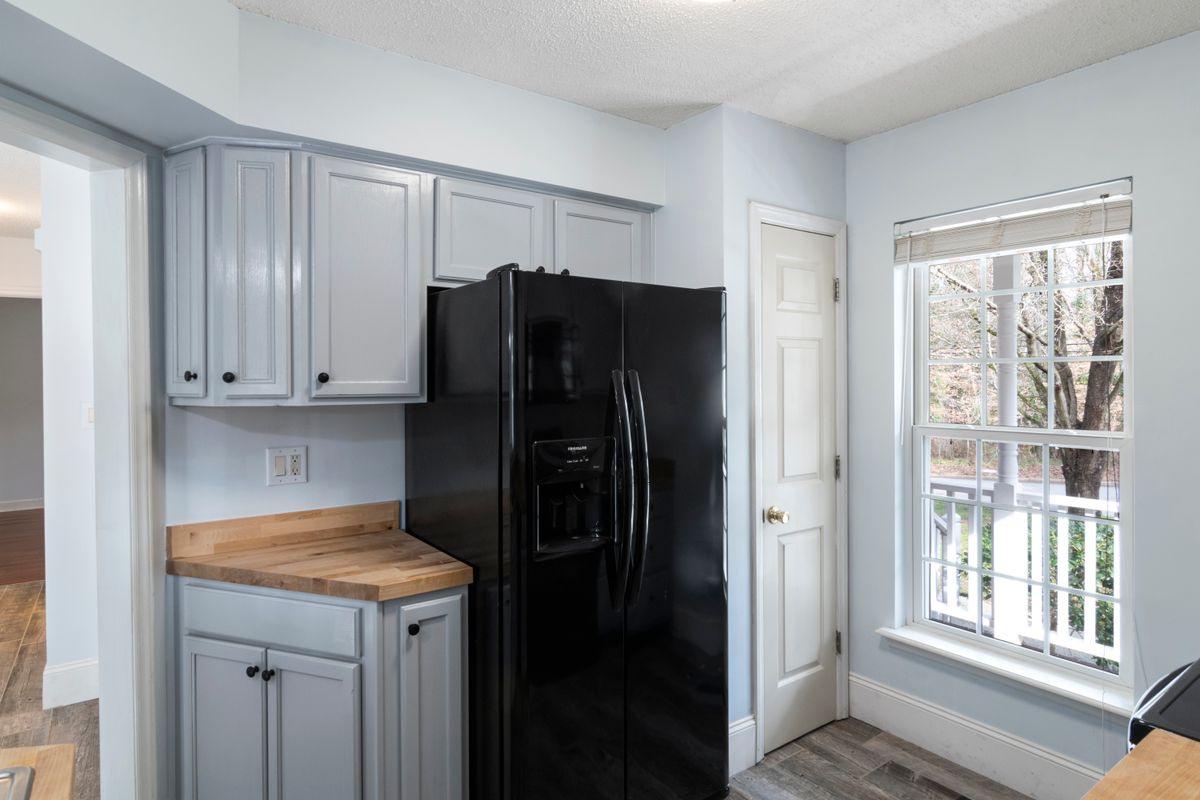
Short answer: A refrigerator usually leaks water because of a clogged defrost drain, a compromised water supply line, a worn door seal that allows humid air to condense, or a cracked drain pan. Identifying where the puddle accumulates helps isolate the exact cause.
Identifying the Source and Likely Causes
Water leaks from a refrigerator typically originate from four distinct locations. Examining where the water pools provides direct clues about which component is failing.
Water Under Crisper Drawers or on the Freezer Floor
A clogged defrost drain is a common cause of internal standing water. During regular operation, the unit runs an automatic defrost cycle to melt frost off the evaporator coils. This meltwater flows into a small drain hole leading to a pan under the appliance. If food particles, ice, or debris block this drain, water backs up, freezes inside the compartment, and eventually leaks down into the crisper drawers or out onto the kitchen floor.
Water Behind the Appliance
A leaking water supply line or water inlet valve creates puddles behind the refrigerator. Supply lines supply water to the ice maker and door dispenser. Flexible plastic lines can become brittle, crack, or kink over time. Braided stainless steel lines can also develop loose compression fittings or worn ferrule gaskets where they attach to the household plumbing valve or the unit's inlet valve.
Water Dripping Inside or Sweat on the Exterior
A failing door gasket allows warm, ambient air to enter the cold cabinet continuously. When humid air contacts the cold interior surfaces, excess condensation forms. This moisture drips down the interior walls, overfills the internal collection channels, or pools around the bottom door frame.
Water Under the Front or Middle
A cracked, displaced, or overflowing drain pan causes water to leak directly beneath the center or front of the unit. Meltwater normally collects in this shallow pan, where warm air from the condenser fan evaporates it. If the pan sits unlevel, has a physical crack, or receives more meltwater than can evaporate, water spills onto the floor.
How Serious Is a Refrigerator Leak?
Even small leaks require prompt attention. Continuous moisture pooling underneath the unit can rot wooden subfloors, warp hardwood flooring, and ruin adjacent cabinetry. Over time, trapped water beneath appliances creates an ideal environment for mold growth, which can require specialized remediation contractors licensed through the Texas Department of Licensing and Regulation (TDLR) if structural materials become heavily contaminated. Leaking water also poses electrical risks. If water seeps near the compressor junction box, condenser fan motor, or lower wiring harnesses, it can cause short circuits or electrical shock hazards.
Safe Homeowner Checks and What Not to Touch
Homeowners can safely perform basic visual inspections and light maintenance before calling a service technician.
Safe Inspection Steps
- Pull the unit straight out from the wall carefully to avoid scratching the floor.
- Inspect the water line connection at the wall shut-off valve and the back of the unit for active drips or corrosion.
- Check the door gaskets for tears, cracks, or areas where the magnetic strip fails to seal against the cabinet.
- Locate the defrost drain hole inside the freezer or fresh food section. If ice or clear debris covers the drain, pour a small amount of warm water mixed with mild dish soap through a bulb syringe or turkey baster to flush the line.
What Not to Touch
- Do not insert sharp metal objects, wire coat hangers, or screwdrivers into the defrost drain hole. Sharp tools can puncture the soft plastic tubing or rupture the evaporator coils located directly behind the panel. Puncturing a coil releases refrigerant gas under pressure and ruins the cooling system.
- Do not attempt to service internal electrical components, control boards, or sealed refrigeration components while the unit connects to power.
- If household plumbing supply valves behind the wall require replacement or modification, hire a plumber licensed through TDLR to handle home pipe connections safely.
Professional Testing and Repair Options
When basic checks do not resolve the leak, an appliance repair professional uses specialized diagnostic steps to identify the root cause. A technician checks electrical solenoids on the water inlet valve using a multimeter to ensure they open and close completely. They inspect defrost heating elements, bimetal thermostats, and defrost timers to confirm the unit drains properly during auto-defrost cycles. Technicians also pressure-test internal dispenser lines and inspect internal water filter housing manifolds for hairline cracks.
Repair Versus Replace
Replacing a door gasket, water inlet valve, supply line, or drain tube is a straightforward repair that restores full function. However, if an older unit has structural rust along the base frame, a leaking internal cabinet liner, or concurrent compressor failures, replacing the refrigerator is often more practical than paying for extensive repairs.
What Drives Repair Costs
Repair expenses vary depending on component accessibility, whether the fix requires moving or pulling the unit from built-in cabinetry, the cost of original equipment manufacturer replacement parts, and the complexity of the labor involved.
North Texas Climate and Home Considerations
Local climate conditions directly affect how refrigerators operate and fail in North Texas homes.
- High summer humidity levels put heavy demand on door gaskets. When humid outdoor air infiltrates living spaces, any small gap in a door seal causes rapid condensation buildup, resulting in water dripping down internal walls and overflowing drain pans.
- Garage refrigerators face severe heat during summer months. Extremely high ambient temperatures force the compressor and defrost systems to run continuously. The increased volume of meltwater, combined with high humidity, can overwhelm standard drain pan evaporation rates.
- Dissolved minerals in hard water supply lines cause scale buildup inside ice maker fill valves and internal water dispensers. Over time, mineral deposits prevent solenoids from seating tightly, causing small, continuous leaks inside the ice maker or behind the unit.
- Severe winter freeze events can affect supply lines running through unconditioned spaces, exterior walls, or crawl spaces. When water inside the supply pipe freezes, the expanding ice can crack plastic shut-off valves or poly tubing behind the appliance.
Preventing Refrigerator Water Leaks
- Clean magnetic door gaskets twice a year using warm water and mild soap to remove sticky residue that breaks the door seal.
- Replace aging plastic water supply lines with flexible, braided stainless steel water supply hoses.
- Replace internal water filters according to manufacturer schedules to prevent filter housing pressure spikes and cracked filter casings.
- Ensure the refrigerator is level from side to side and slightly tilted back so meltwater flows directly into the drain hole and cabinet doors seal firmly under their own weight.
Common questions
Why is water pooling at the bottom of my freezer?
Water pools and freezes on the freezer floor when the defrost drain hole is clogged or frozen. Meltwater from the evaporator coils cannot flow down to the evaporation pan, so it collects at the lowest point inside the compartment and freezes into a solid sheet.
Can a bad water filter cause a leak?
Yes. An improperly installed, clogged, or cracked water filter can leak behind the housing or inside the fresh food compartment. Damaged O-rings on the filter manifold can also allow pressurized water to escape during dispenser or ice maker operation.
Why does my garage refrigerator sweat and leak water on the floor?
Garage refrigerators experience extreme ambient heat and humidity during North Texas summers. High humidity creates severe condensation on cold cabinet surfaces, while continuous cooling cycles produce excessive meltwater that can overflow the evaporation pan under the unit.
How do I know if my water supply line is leaking?
A water supply line leak usually creates a continuous puddle behind or under the refrigerator that reaccumulates quickly after being wiped up. You may also hear a faint dripping sound or notice low water flow from the door dispenser.