
Why Is My Washing Machine Shaking?
Short answer: A shaking washing machine is typically caused by an unbalanced laundry load, uneven leveling legs, or unremoved shipping bolts on a newly installed front-load...
By Everyday Home Advice Editorial Team
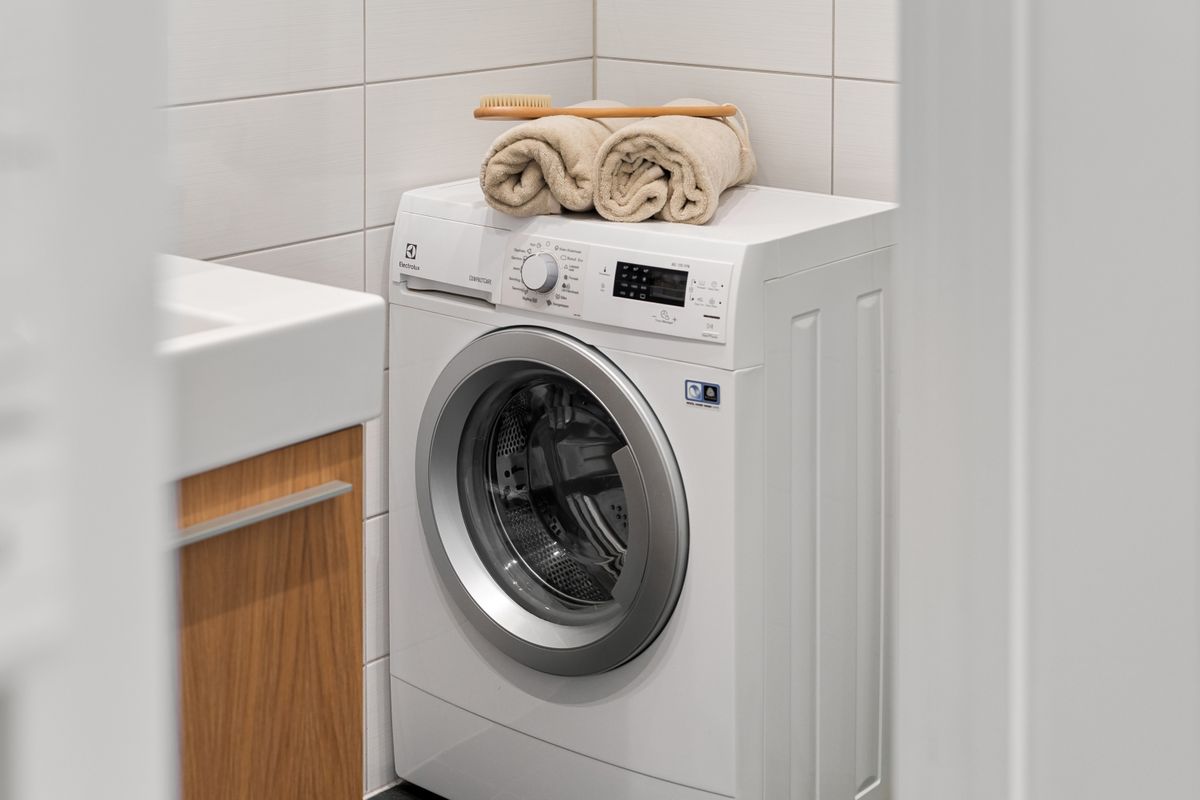
Short answer: A shaking washing machine is typically caused by an unbalanced laundry load, uneven leveling legs, or unremoved shipping bolts on a newly installed front-load washer. When a machine is properly leveled and loaded, excessive shaking points to worn suspension rods, degraded shock absorbers, or a corroded tub assembly allowing the drum to move uncontrollably during the high-speed spin cycle.
Identifying Washer Vibration and Severity
A small amount of hum and slight vibration during the final spin cycle is normal for both top-loading and front-loading washers. However, violent shaking, severe banging sounds, or a machine that physically walks across the floor indicates an underlying mechanical or structural issue. Ignoring extreme vibration can cause serious collateral damage over time. As the machine shifts, it puts stress on flexible rubber water supply hoses, which can tear or burst at the connection fittings. The drain hose can dislodge from the wall standpipe, spilling water onto subfloors. In severe cases, a wildly vibrating washer can punch holes into adjacent drywall, crack plastic drain pans, or shatter internal electronic control boards.
Primary Causes of Excessive Shaking
Several mechanical breakdowns and installation issues cause washing machines to shake during operation.
Unbalanced Laundry Loads
When heavy items like thick towels, comforters, or washable rugs gather on one side of the tub, centrifugal force creates an off-center weight distribution during the spin cycle. The drum wobbles as it attempts to reach high rotational speeds.
Unlevel Cabinet or Loose Feet
Washing machines must sit completely level on all four feet. Over time, normal operation can cause threaded leveling legs to back out, or missing lock nuts allow the frame to tilt. An unlevel cabinet redistributes weight unevenly, causing the unit to rock back and forth.
Unremoved Transit Shipping Bolts
New front-load washing machines ship from the factory with heavy steel shipping bolts installed through the rear panel. These bolts lock the inner drum to the frame to prevent transit damage. If an installer forgets to remove them before operation, the suspension cannot absorb motion, causing severe frame vibration.
Worn Suspension Rods or Shock Absorbers
Top-load washers use vertical suspension rods with dampening springs to suspend the outer tub inside the cabinet. Front-load washers use hydraulic or friction shock absorbers at the base and suspension springs at the top. When these components lose dampening resistance, the drum bounces heavily against the cabinet walls.
Corroded Spider Assembly or Failed Tub Bearing
In front-load washers, a three-pronged aluminum spider arm supports the inner stainless drum inside the outer tub. Over time, detergent buildup and hard water cause the spider arm to corrode and fracture. A broken spider arm or destroyed tub bearing causes the drum to rotate off-axis, generating intense vibration even with light loads.
Safe Homeowner Inspection Steps
Homeowners can safely perform several diagnostic checks without opening cabinet panels. Inspect the rear panel for shipping bolts: On front-load models, verify that four large bolts on the back cabinet wall have been removed. Check cabinet level: Place a spirit level flat across the top lid or cabinet edges, checking both front-to-back and side-to-side orientations. Adjust leveling feet: Extend or retract the threaded legs at the base until the spirit level reads true. Tighten the locking jam nuts firmly up against the cabinet base with a wrench to prevent movement. Perform a tub bounce test: For top-load units, open the lid, press down firmly on the rim of the inner tub, and release. The tub should return to position immediately. If it bounces multiple times, the suspension rods are worn. For front-loaders, push upward on the top rim of the inner stainless basket. Excessive play or grinding noises indicate worn bearings or a cracked spider arm. * Rearrange laundry loads: Pause the cycle and manually redistribute bunched sheets or mixed heavy and light fabrics.
Professional Testing and What Not to Touch
While level adjustments and load balancing are safe homeowner tasks, internal mechanical and electrical repairs carry safety hazards. Homeowners should never open internal control enclosures, remove cabinet panels while connected to power, or attempt to disassemble heavy counterweights. Drive motors and main control boards utilize large capacitors that retain high electrical voltage even after the machine is unplugged. Furthermore, front-load wash tubs are equipped with heavy concrete counterweights that present crush hazards during removal. A qualified appliance repair technician tests suspension rods using calibrated tension checks, measures spin drum wobble with a dial indicator, checks drive belt tension, and inspects motor sensors. When structural plumbing or electrical modifications are needed, specific licensing applies under state regulations. Dedicated electrical outlet circuits require a licensed electrician, and modified drain line or supply piping installations require a licensed plumber.
North Texas Structural and Environmental Factors
Local home design features and environmental conditions in Dallas-Fort Worth directly influence washing machine stability.
Expansive Clay Soil and Slab Foundations
North Texas clay soil swells significantly during wet seasons and shrinks during hot summer heat. This continuous soil expansion and contraction causes concrete slab foundations to shift and settle over time. Even subtle foundation settlement in a home can tilt a laundry room floor, causing a previously level washer to wobble during high-speed extraction cycles.
Upper-Floor Laundry Installations
Many modern multi-story homes in the region feature second-floor laundry rooms located directly over living space or garage framing. Wood-frame subfloors flex far more than ground-floor concrete slabs. When high-efficiency front-load washers operate on flexible subfloors, the spin frequency can match the natural resonant frequency of the floor joists, amplifying vibration throughout the house framing.
Hard Water Scaling
Hard municipal water contains dissolved minerals that create scale deposits inside the tub assembly. These mineral deposits can accelerate corrosion on aluminum spider assemblies and cause water seals to fail, leading to premature bearing wear.
Repair Options, Replacement, and Cost Drivers
When addressing a shaking washer, homeowners must weigh straightforward repairs against full machine replacement. Replacing top-load suspension rods or front-load shock absorbers is a straightforward process that restores original stability. Leveling foot replacement and locking nut securing are fast fixes. However, when a front-load spider arm fractures or internal tub bearings fail, the entire outer tub assembly must be removed and split open. Repair costs are driven by machine architecture, component accessibility, and required labor hours. Top-load repairs generally require less teardown time than front-load models. In tight laundry closets or upper-floor installations, limited clearances increase labor difficulty. If a machine is older and suffers from tub bearing failure, replacement is often more practical than an extensive teardown repair.
Common questions
Why does my front-load washer shake violently during the spin cycle?
Violent shaking in front-load washers is frequently caused by unremoved factory shipping bolts, an unlevel cabinet, worn shock absorbers at the base of the drum, or a broken internal spider support arm.
Can a shaking washing machine damage my home?
Yes. Excessive vibration can rupture flexible water supply hoses, pull drain lines from wall standpipes, crack plastic drain pans, and cause cosmetic or structural damage to adjacent drywall and subflooring.
Will anti-vibration pads fix a shaking washer?
Anti-vibration rubber pads can reduce sound transmission and minor vibration on flexible wood subfloors. However, they will not solve underlying issues like worn suspension rods, broken bearings, or unlevel cabinet legs.
How do I know if my top-load washer suspension rods are bad?
Open the lid and push down firmly on the rim of the inner tub. If the tub bounces up and down repeatedly rather than settling immediately, the dampening springs on the suspension rods are worn out.