
Why Is My Driveway Cracking?
Concrete driveways crack because of shrinkage, soil movement, water, loads, and environmental changes. A crack doesn't automatically mean the whole driveway has failed.
By Everyday Home Advice Editorial Team
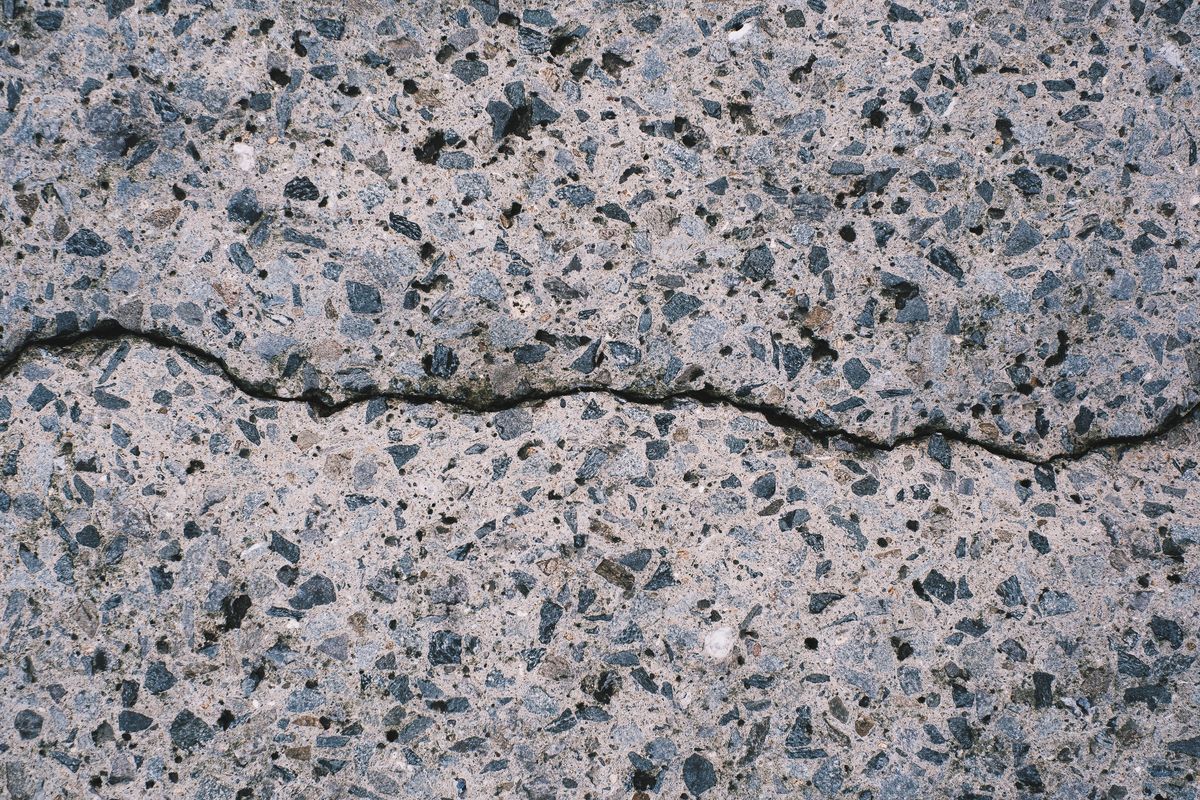
Concrete driveways crack because of shrinkage, soil movement, water, loads, and environmental changes. A crack doesn't automatically mean the whole driveway has failed.
How wide is it?
Notice whether the crack is very narrow, widening, or uneven from one side to the other. Movement matters as much as width.
Is the concrete level?
If one side of a crack has moved noticeably up or down, the issue may go beyond surface shrinkage.
Where does water go?
Water entering cracks or collecting along the driveway can contribute to problems depending on soil and climate.
Are tree roots nearby?
Roots can sometimes contribute to movement, but don't assume a nearby tree is automatically responsible.
Is the crack growing?
Take a photo and date it. Monitoring helps distinguish a stable crack from an active problem.
When should I get help?
Consider evaluation when:
- Cracks are widening.
- Sections are uneven.
- Concrete is sinking.
- A trip hazard has developed.
- Drainage is contributing.
- Large portions are deteriorating.
Find Local Concrete Help