
What Affects the Cost of Pest Control?
Short answer: The cost of professional pest control depends on the target pest species, the size and severity of the infestation, the structural layout of the building, the...
By Everyday Home Advice Editorial Team
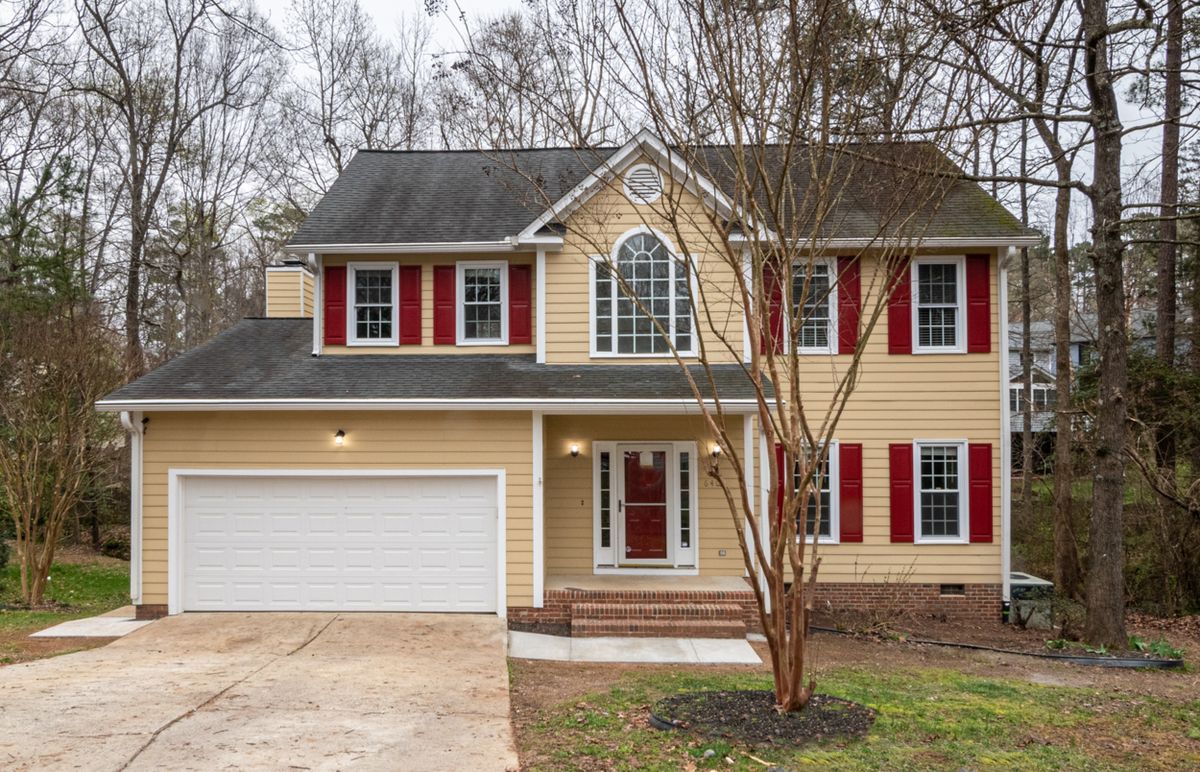
Short answer: The cost of professional pest control depends on the target pest species, the size and severity of the infestation, the structural layout of the building, the treatment method required, and whether the job includes physical exclusion work or an ongoing prevention plan. Specialized services for wood-destroying organisms, bed bugs, or attic wildlife demand far more labor, equipment, and follow-up visits than routine perimeter insect sprays.
Identifying pest symptoms and infestation scope
Identifying the specific pest and assessing how far the infestation has spread are the primary steps in determining the scope of work. Visible signs vary based on the organism involved:
- Crawling insects often leave droppings, shedding skins, or visible foraging trails along baseboards and inside cabinet corners.
- Subterranean termites build pencil-sized mud tubes along exterior foundation walls, across concrete slabs, or leave discarded wings near window sills after swarming.
- Rodents like rats and mice leave dark rub marks along walls, droppings in attic insulation, and audible scratching noises inside wall cavities at night.
- Attic wildlife such as squirrels or raccoons create entry gaps along soffits, displace blown-in insulation, and chew flexible air ducts or electrical wiring.
Infestations confined to a single room require far less labor and material than widespread activity inside wall voids, attic spaces, and plumbing penetrations.
How pest species determine treatment complexity
The biology and habits of different pests dictate the tools, safety measures, and labor time required for effective control.
General crawling insects
Nuisance pests such as ants or cockroaches can often be addressed using perimeter liquid barriers, targeted indoor gel baits, and outdoor granular applications. These treatments rely on standard hand-carried equipment and brief service visits.
Wood-destroying organisms
Subterranean termites require intensive soil or structural intervention. Liquid soil treatments require trenching along exterior slab edges, drilling through concrete porches or tile floors to reach the soil beneath, and injecting termiticides under pressure. Baiting programs involve installing and monitoring specialized ground stations around the property perimeter.
Bed bugs and persistent indoor pests
Bed bugs require labor-intensive treatments because they hide deep within mattress seams, furniture joints, wall outlets, and baseboards. Effective control often demands heavy-duty heat equipment, commercial steam units, dust applications, and multiple mandatory follow-up inspections.
Rodents and wildlife
Managing mammals requires live trapping, removal, and physical exclusion work. Trapping rodents without sealing structural entry points only offers temporary relief, making permanent repair of entry gaps an essential part of the project scope.
North Texas home design and structural factors
Local construction standards and environmental conditions directly shape how pests enter homes and how technicians access treatment zones. Slab-on-grade concrete foundations are standard throughout the region. Expansive clay soils contract during hot, dry weather and expand during rainy periods. This continuous movement causes stress cracks in concrete slabs and pulls soil away from foundation edges. Subterranean termites exploit these hidden slab cracks and expansion joints, entering homes undetected from beneath the surface. Reaching these pathways requires drilling through interior slabs or bath traps. Exterior brick veneer walls incorporate weep holes along the bottom masonry course to allow trapped moisture to drain. While essential for moisture control, open weep holes provide direct pathways for mice, roaches, and wasps. Technicians must install breathable copper mesh or specialized metal screens that maintain ventilation while blocking pests. Attic spaces present additional access challenges. High summer temperatures heat attics intensely, while winter cold snaps attract rodents to the warm air surrounding attic-mounted furnaces and air handlers. Navigating deep blown-in insulation to locate entry gaps along rooflines, soffits, and gables increases labor time during wildlife control projects.
Safe homeowner checks and safety boundaries
Homeowners can perform simple visual checks to spot pest signs, but certain tasks carry safety hazards that require professional management.
Safe homeowner checks
- Inspect the exterior foundation perimeter to ensure soil or mulch does not bridge over the bottom edge of siding or brick.
- Look for mud tubes ascending exterior concrete walls or exposed slab edges.
- Check weep holes along brick walls for missing mesh or signs of rodent activity.
- Examine attic spaces from the entry hatch using a bright flashlight, looking for displaced insulation or chewed flexible HVAC ductwork.
What not to touch
- Do not disturb active nests of yellowjackets, wasps, or hornets, especially near roof soffits or outdoor electrical meters.
- Do not handle wild animals, dead rodents, or heavy accumulations of dropping deposits directly, as airborne pathogens create health risks.
- Do not attempt to drill into concrete slabs or handle restricted-use commercial products without professional training.
- Do not apply liquid treatments directly onto electrical panel boxes or furnace units in the attic.
Treatment options, structural exclusion, and recurring programs
Pest management strategies fall into three main service categories, each serving different long-term goals.
One-time liquid or bait applications
A single targeted application resolves localized issues, such as an isolated stinging insect nest or an active ant trail. While less expensive initially, a single visit does not include extended service warranties, as chemical barriers naturally break down when exposed to sunlight and rain.
Structural exclusion and restoration
Exclusion physically blocks pest entry points across the building envelope. This work includes installing metal flashing along fascia boards, sealing pipe penetrations with steel mesh, covering weep holes, and securing damaged roof soffits. When wildlife damages attic insulation or ductwork, the restoration scope includes sanitizing contaminated areas and replacing damaged flexible ducting.
Recurring maintenance programs
Ongoing maintenance agreements establish protective barriers on a bi-monthly or quarterly schedule. Technicians reapply exterior barriers, clear cobwebs from eaves, inspect outdoor bait stations, and treat emerging entry points before infestations become established inside the home.
Primary drivers of service costs
The total cost of a professional pest control project reflects several underlying technical and operational factors:
- Target pest species: Termites, bed bugs, and wildlife require specialized tools, specialized training, and physical labor compared to standard crawling insects.
- Degree of infestation: High infestation levels requiring wall void injections or attic insulation removal demand significantly more time and material.
- Home size and structural layout: Multi-story layouts, complex rooflines, large foundation perimeters, and tight attic access hatches increase labor hours.
- Repairs and exclusion work: Custom carpentry, roofline metal flashing, screen installation, and duct repairs add material and labor requirements beyond chemical applications.
- Licensing and regulatory compliance: In Texas, pest control businesses and applicators must be licensed through the Structural Pest Control Service, administered by the Texas Department of Agriculture. Operating under state regulations requires ongoing training, specialized liability insurance, and compliance with safety standards.
Common questions
Why do subterranean termite treatments cost more than general pest sprays?
Termite treatments require specialized liquid termiticides or underground baiting systems, heavy trenching equipment, and precise drilling through concrete slabs, tile, or outdoor patios to reach soil hidden underneath. General sprays only cover exposed surface areas along baseboards or exterior perimeters.
How does expansive clay soil affect pest control treatments?
Expansive clay soil shifts constantly as moisture levels change, creating hidden cracks in concrete slab foundations and pulling soil away from exterior walls. Pests use these subsurface gaps to access the structure, requiring technicians to perform specialized soil injections or install underground monitoring stations.
Is a single pest control treatment sufficient for long-term protection?
A single treatment eliminates existing visible pests but offers limited long-term protection. Sun exposure, high summer heat, and rainfall degrade chemical barriers over time, making recurring scheduled service or permanent physical exclusion necessary for ongoing control.
Do pest control companies repair structural damage caused by wildlife?
Many licensed pest control firms perform minor exclusion work, such as sealing soffit gaps, installing vent covers, and replacing damaged flexible duct sections. Major structural timber repairs or primary roof replacements usually require a general contractor.