
What's the Difference Between Termites and Flying Ants?
Short answer: Termites have straight, beaded antennae, a broad waist with no narrow pinch, and four wings of equal size and shape. Flying ants have elbowed antennae, a...
By Everyday Home Advice Editorial Team
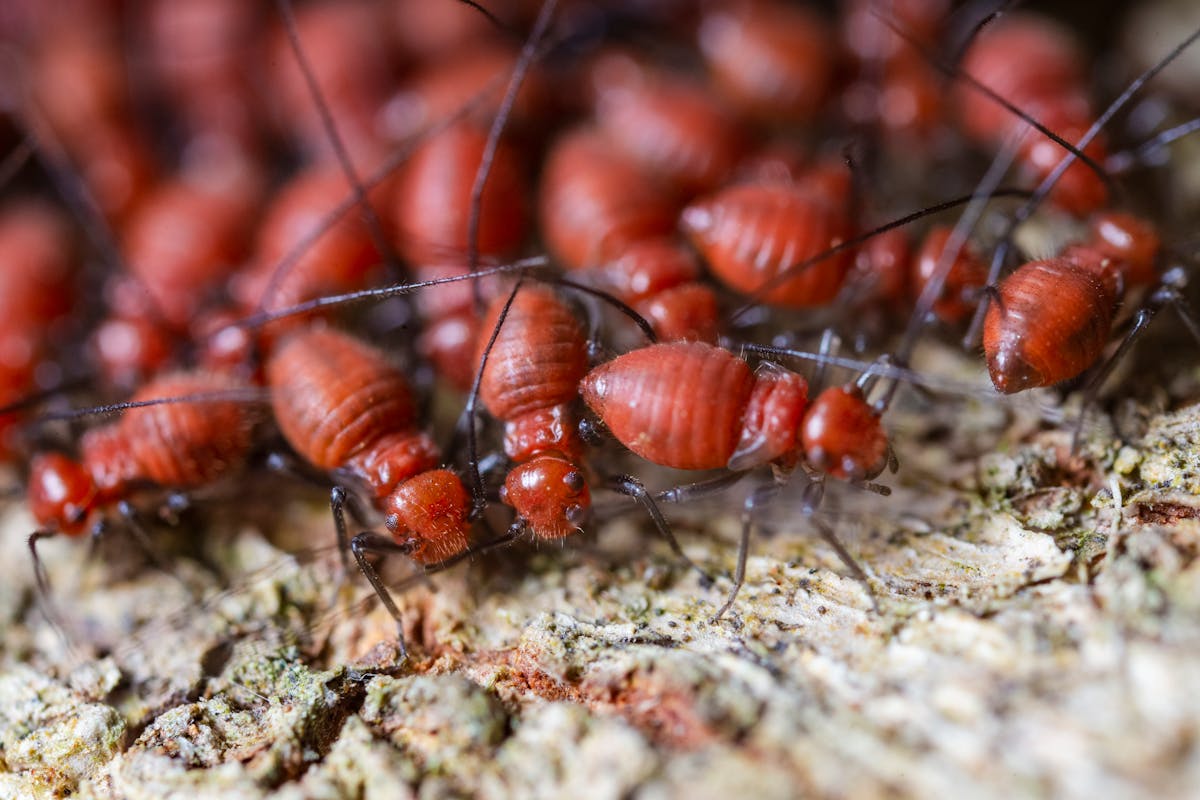
Short answer: Termites have straight, beaded antennae, a broad waist with no narrow pinch, and four wings of equal size and shape. Flying ants have elbowed antennae, a distinctly narrow, pinched waist, and front wings that are noticeably longer than their hind wings. Termite swarmers shed their wings shortly after landing, while flying ants retain their wings. Distinguishing between the two determines whether a home requires routine pest management or targeted wood-destroying insect treatment.
Visual Identification and Physical Differences
Body Structure and Antennae
A close look at the insect's body structure provides the clearest distinction between a swarming termite and a flying ant. Termites have a uniform body shape with a broad, straight waist that links the thorax directly to the abdomen without a narrow constriction. Their antennae are straight and resemble small strings of tiny beads. Flying ants have a pinched waist divided into three distinct body segments: head, thorax, and abdomen. Their antennae feature a sharp bend or elbow midway along the stem.
Wing Shape and Shedding Habits
Both pests possess four wings, but their proportions and durability differ significantly. Termite wings are long, paddle-shaped, and completely equal in length and veining. The wings extend well past the end of the termite's abdomen. Termites are weak fliers and shed their wings along floors, windowsills, and doorways almost immediately after completing a swarm flight. Flying ants have two pairs of wings with clear structural differences. The forewings are distinctly larger and longer than the hind wings. Flying ant wings do not break off easily, so finding loose, detached wings inside a home points toward termite activity.
Structural Impact: Termites Versus Ants
Flying ants, such as carpenter ants, enter buildings primarily seeking shelter, moisture, or food scraps. While carpenter ants can excavate damp or decaying wood to hollow out gallery paths for nesting, they do not consume wood fibers. Their primary structural impact is localized and often linked to existing moisture leaks in wood framing. Subterranean termites feed directly on cellulose, the primary organic compound in structural lumber, plywood, wallboard paper, and subflooring. Because termites digest wood from the inside out, extensive internal structural damage can occur behind intact drywall or paint without obvious surface indicators. Left unchecked, subterranean termites can compromise structural load-bearing framing, floor joists, wall studs, and roof trusses.
Safe Homeowner Checks and What Not to Touch
Homeowners can perform basic visual checks around the property without disturbing hidden insect colonies. Inspect interior baseboards, window frames, door casings, and accessible attic framing for soft wood, pinhole openings, or discarded insect wings. On exterior walls, inspect the exposed concrete perimeter where structural slab framing meets brick veneer or siding. Avoid disturbing active swarm sites or mud shelter tubes found on walls or foundation edges. Do not spray over-the-counter aerosol insecticides directly onto termite swarm holes or active tubes. Chemical disturbance causes subterranean termites to seal off the sprayed channel and redirect their feeding paths through adjacent, untreated areas inside the wall cavity. Instead, collect a few dead swarmers or shed wings in a sealed glass container for professional identification.
North Texas Soil and Foundation Vulnerabilities
Subterranean termites depend on ground moisture and remain in constant contact with the soil. North Texas sits on expansive clay soil, which expands during wet periods and shrinks during prolonged dry heat. This shifting movement creates stress fractures along concrete slab foundations, expansion joints, and utility plumbing penetrations. Subterranean termites use these hidden concrete cracks as direct highways into home interiors. Slab-on-grade construction, common throughout Dallas-Fort Worth, positions structural wall studs close to the ground line. When flowerbed mulch, soil levels, or patio pavers cover brick weep holes or rest directly against the slab, termites gain unhindered access into wall framing. High summer temperatures paired with localized moisture from air conditioning condensate drains, sprinkler overspray, or poor gutter drainage create ideal subterranean nesting sites along the home perimeter.
What Professionals Look For During Inspections
A technician holding a structural pest control license performs a comprehensive evaluation of both interior and exterior areas. The inspector probes accessible wood framing with specialized tools to check for internal hollows or soft spots beneath painted surfaces. They check exterior foundation edges, crawl spaces, utility penetrations, and plumbing traps beneath bath units. Inspectors utilize thermal imaging cameras and moisture meters to detect hidden moisture pockets inside wall cavities, which often indicate active termite galleries or plumbing leaks. They examine shed wing patterns, frass pellets, mud tubes, and wood gallery patterns to determine the exact insect species involved.
Treatment Options and Cost Drivers
Treating flying ants usually involves identifying moisture sources, sealing entry points, applying localized bait applications, and performing perimeter barrier treatments. Termite management requires specialized subterranean treatments. Options include continuous liquid soil barriers applied into a trench dug along the foundation perimeter, or underground baiting systems installed around the property line. Liquid treatments create a continuous chemical zone that termites pass through, while baiting stations allow worker termites to carry slow-acting active ingredients back to the main underground colony. If termites have damaged structural lumber, a qualified contractor must evaluate whether the wood can be sistered with new support beams or requires complete replacement. Several key factors drive the overall cost of treatment and structural repairs:
- Linear footage of the foundation perimeter
- Foundation design, such as slab-on-grade, pier and beam, or covered patio additions requiring concrete drilling
- Soil accessibility around exterior walls
- Severity and location of structural timber damage requiring carpentry work
Long-Term Prevention Strategies
Preventing insect infestations requires managing moisture and removing cellulose-to-soil contact around the home perimeter:
- Maintain a minimum six-inch gap between soil or mulch levels and the bottom edge of siding or brick weep holes.
- Divert downspouts and air conditioner condensate lines at least five feet away from the concrete slab.
- Adjust sprinkler heads to prevent water from spraying directly against exterior brick walls or foundation lines.
- Store firewood, scrap lumber, and cardboard boxes off the ground and away from exterior walls.
- Repair plumbing leaks promptly under sinks and inside crawl spaces.
Common questions
Do flying ants eat wood like termites do?
No, flying ants do not eat wood. Carpenter ants excavate damp or rotting wood to build nesting galleries, pushing wood shavings out of the nest, but they do not digest the cellulose. Termites digest wood cellulose as their primary food source.
Why do termites swarm inside a living room or window sill?
A swarm inside a home indicates an active subterranean termite colony living near or beneath the foundation. Swarmers fly toward sunlight or light fixtures near windows and doors, attempting to exit, mate, and start new colonies.
Are discarded wings a reliable sign of termites?
Yes. Termite swarmers shed their wings very quickly after landing, leaving behind small piles of uniform, translucent wings near light sources or windowsills. Flying ants retain their wings after flight.
Will a regular quarterly pest control spray get rid of termites?
No. Standard quarterly pest control sprays target surface insects like spiders or ants along baseboards and perimeters. Subterranean termite control requires specialized liquid soil treatments or subterranean baiting systems.