
What Flooring Is Best for Homes With Dogs?
Short answer: Luxury vinyl plank featuring a thick wear layer and textured porcelain tile are the overall best flooring choices for homes with dogs. They offer superior...
By Everyday Home Advice Editorial Team
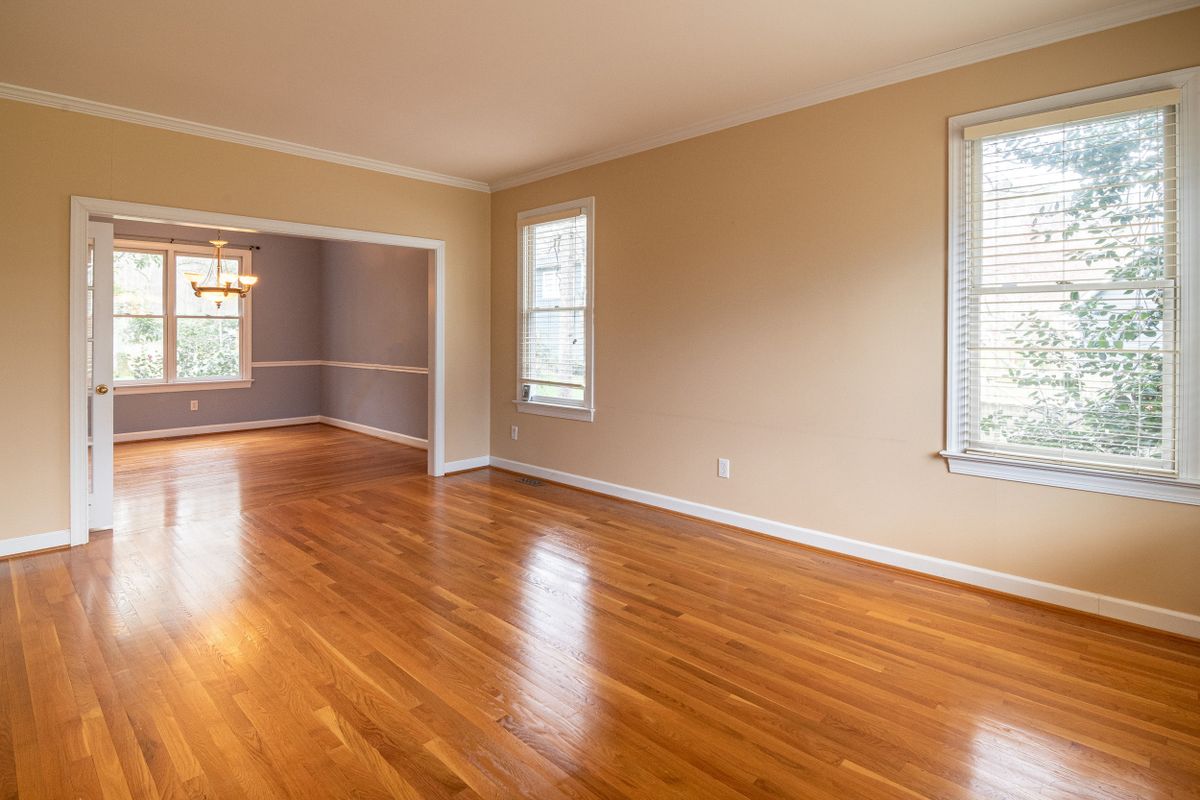
Short answer: Luxury vinyl plank featuring a thick wear layer and textured porcelain tile are the overall best flooring choices for homes with dogs. They offer superior resistance to scratch marks, complete liquid protection against pet accidents, and sufficient surface grip to protect dog joints from slipping. Solid hardwood and glossy laminates perform poorly under pet traffic.
Key performance factors for dog-friendly floors
Selecting flooring for a home with dogs requires balancing pet comfort with long-term material durability. Dog claws, heavy footsteps, water bowl spills, and occasional house-training accidents test the physical limits of floor coverings.
Scratch and gouge resistance
Claws can gouge soft wood or scrape low-quality surface coatings. Hard surface materials with durable top wear layers withstand the abrasive action of dog nails running or standing up.
Water and stain resistance
Pet urine and standing bowl water can penetrate seam lines. Once liquid passes the surface, it can cause wood plies to warp, laminate core boards to swell, or subfloors to absorb lingering odors. Fully waterproof materials or tight seam systems prevent sublayer contamination.
Traction and pet joint safety
Smooth, high-gloss surfaces offer little traction for dog paw pads. When dogs slip, they strain their hips, back legs, and joints. A subtle surface texture, such as a wire-brushed or hand-scraped pattern, helps dogs maintain traction.
Sound dampening
Nails clicking on hard surfaces create continuous indoor noise. Rigid materials installed with an acoustical underlayment help soften footfall sounds throughout the home.
Comparing flooring materials for dog owners
Luxury vinyl plank
Luxury vinyl plank with a rigid stone-polymer composite core is highly resilient in active pet households. It is completely waterproof, resisting puddle damage from water bowls or delayed accident cleanup. A thick commercial-grade wear layer guards against deep scratches from large claws. It feels softer underfoot than stone or tile and dampens claw noise.
Porcelain and ceramic tile
Porcelain tile is nearly impervious to claw scratches and moisture penetration. Urine cannot damage porcelain glaze. However, smooth glazed tiles become slippery when wet. Selecting a matte, textured, or slip-resistant porcelain tile gives dogs better grip. Grout lines must be sealed with a penetrating sealer to prevent urine from soaking into cementitious grout.
Engineered hardwood
Engineered hardwood features a real wood surface over layered plywood or composite backings. It handles seasonal humidity movement better than solid wood, making it suitable for glue-down installation on concrete. However, the top wood layer remains susceptible to claw scratches and liquid stains. Choosing a light-colored wood species with a low-gloss, matte, or wire-brushed finish hides wear better than dark, smooth finishes.
Solid hardwood and laminate
Solid hardwood absorbs standing liquids quickly, resulting in dark stains and warped boards. Refinishing can remove shallow scratches, but deep urine stains require board replacement. Traditional laminate flooring resists surface scratches well, but its wood-fiber core swells permanently if liquid seeps into the seams. High-gloss laminate is also excessively slippery for pets.
Dallas-Fort Worth slab and climate challenges
Homes in the Dallas-Fort Worth area rely heavily on slab-on-grade concrete foundations. Concrete is inherently porous, absorbing ground moisture and passing it upward as vapor. Expansive clay soils across North Texas shift with changing rainfall levels, causing minor foundation movement that can create micro-cracks in the slab. During long North Texas summers, heavy air conditioning use creates a steep temperature and humidity gradient between indoor spaces and the concrete foundation below. If liquid pet accidents seep through floor seams while ground moisture migrates upward, moisture becomes trapped beneath the flooring. This trapped dampness causes organic flooring materials like solid wood or laminate to warp, buckle, or foster unpleasant odors. Choosing floating or glued-down waterproof materials designed for concrete slabs is critical in local homes.
Professional subfloor testing and installation
Proper surface preparation prevents premature floor failure in homes with pets and slab foundations.
What a professional tests
Flooring installers test the concrete slab's moisture emission rate using calcium chloride tests or relative humidity probes inserted into drilled holes. They also check the slab for flatness using long straightedges to identify humps or low spots caused by soil movement.
Safe homeowner checks
Homeowners can inspect existing floor seams for signs of cupping, swelling, or dark discoloration near pet water bowls or entry doors. Checking baseboards for signs of previous water contact or mold growth helps identify moisture issues before laying new floors.
What not to touch or attempt
Do not scrape up old vinyl flooring or underlying black mastic adhesive in older DFW homes built before the late 1970s, as these materials can contain asbestos. Avoid applying self-leveling concrete or moisture barriers over dirty or cracking slabs without professional guidance. General contractors in Texas do not require a statewide license, but specialized trades such as mold remediation contractors must be licensed through the Texas Department of Licensing and Regulation if mold is discovered during floor removal.
Managing floor damage, repairs, and replacement
When damage occurs, the ability to repair single sections depends on the flooring material chosen.
Spot repairs versus replacement
Floating luxury vinyl plank systems allow contractors to unclick or cut out damaged planks and insert replacements without tearing up the entire floor. Individual broken or stained tiles can be chipped out, replaced, and regrouted. Engineered wood can sometimes be screened and recoated, though deep scratches or pet stains that turn the wood black usually require individual board replacement.
Preventive measures
Keep dog nails trimmed short to minimize mechanical wear. Use wide, absorbent entryway mats to trap dirt and moisture from paws before dogs enter main living spaces. Place non-slip, waterproof silicone mats under food and water dishes. Clean pet accidents immediately using enzymatic cleaners, which break down organic compounds rather than washing them deeper into floor seams.
What drives dog-friendly flooring costs
Several technical factors influence the final cost of installing dog-proof flooring:
- Wear layer thickness: Luxury vinyl planks with thicker, commercial-grade wear layers carry higher material costs than thinner residential products.
- Subfloor preparation: Concrete slabs requiring extensive grinding to remove high spots, self-leveling compounds to smooth depressions, or specialized moisture barrier primers increase total project expense.
- Material selection: Through-body porcelain tile and high-grade engineered hardwoods cost more per square foot than standard vinyl products.
- Installation labor: Complex tile patterns, grout sealing, removal of existing glued flooring, and installing coordinating baseboards or transitions drive up labor requirements.
Common questions
What wear layer thickness is best for large dogs?
For households with large or active dogs, look for luxury vinyl plank with a wear layer rated for heavy commercial or high-traffic residential use. A thicker wear layer provides maximum resistance against claw gouging and heavy foot traffic.
Can dog urine permanently ruin a concrete slab?
If urine penetrates floor seams and reaches the bare concrete slab, the liquid soaks into the porous stone and leaves residual salts. This causes lingering odors even after the top flooring is replaced. Applying an odor-sealing primer to the cleaned concrete before installing new flooring resolves the issue.
Is carpet acceptable in a home with dogs?
Carpet easily traps pet hair, dander, dirt, and liquid spills, making deep sanitation difficult. If carpet is preferred in bedrooms, choose solution-dyed synthetic fibers combined with a waterproof cushion pad that prevents liquids from soaking into the subfloor.
Do dark floors show pet wear faster than light floors?
Dark, glossy floor surfaces show fine scratch lines, dust, and shedding hair far more prominently than lighter tones. Choosing a light or medium natural wood tone with a matte or textured finish hides daily pet activity much better.