
Why Won't My Garage Door Close?
Short answer: A garage door that fails to close is usually responding to a triggered safety mechanism, such as dirty or misaligned photo-eye sensors. Other frequent causes...
By Everyday Home Advice Editorial Team
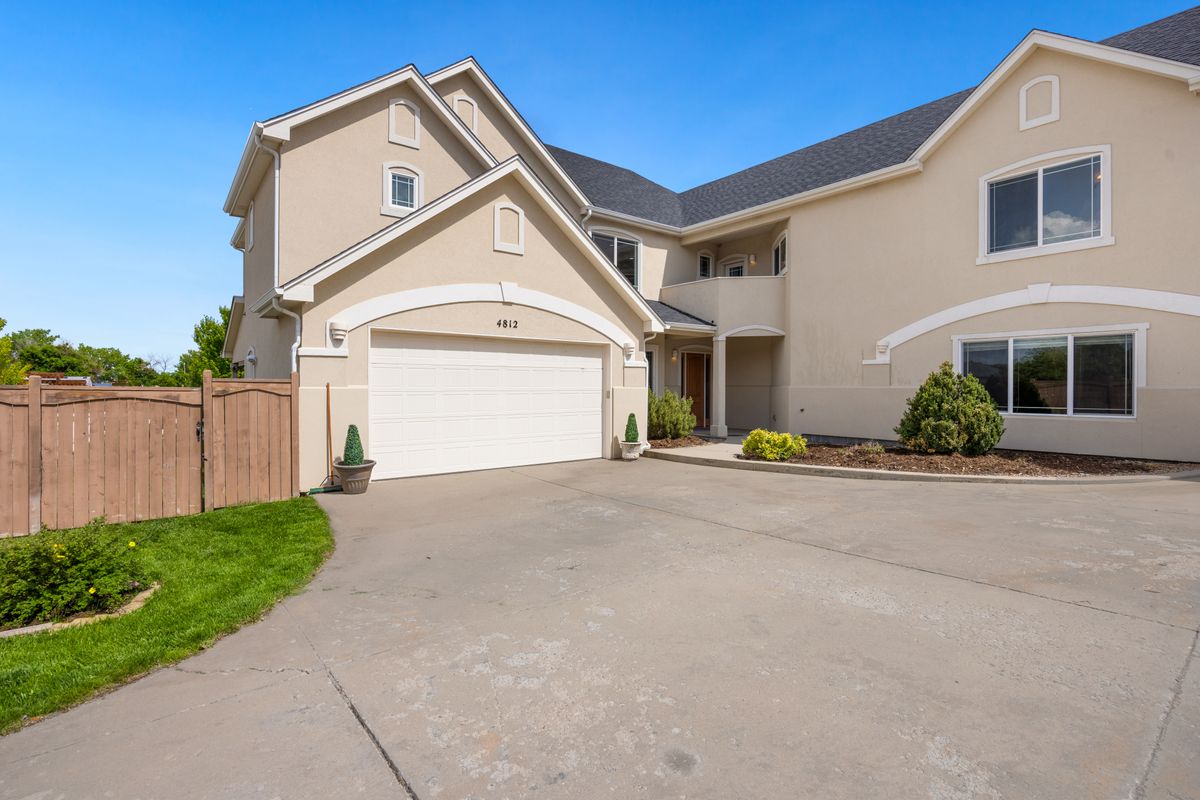
Short answer: A garage door that fails to close is usually responding to a triggered safety mechanism, such as dirty or misaligned photo-eye sensors. Other frequent causes include misadjusted travel limits, physical track obstructions, binding hardware, or structural frame shifting caused by local soil movement.
Identifying symptoms and likely causes
Observe the door's behavior closely when attempting to close it. The specific motion pattern provides clear clues regarding the underlying mechanical or electrical failure.
Photo-eye sensor errors
If the overhead opener light flashes and the door refuses to descend or reverses immediately after starting down, the photo-eye sensors are likely triggered. These sensors sit near the floor on opposite sides of the door frame. A small LED light on each unit indicates operational status. A blinking or unlit LED signals optical misalignment, lens contamination, or a damaged low-voltage wire. Direct sunlight blinding the receiver optic can also cause erratic reversing during specific times of day.
Limit and force setting misadjustments
If the door travels partway down and then reverses back to the fully open position without flashing lights, the opener close-limit or down-force settings may need recalibration. Internal limit switches tell the motor how far to travel before stopping. If set incorrectly, the opener assumes the door has struck an obstruction when it meets normal track resistance or contacts the floor seal.
Track obstruction or mechanical binding
A door that stops, grinds, or sticks along its path often suffers from physical interference. Debris, bent track channels, or worn rollers increase friction. If the motor senses excess mechanical resistance, the auto-reverse safety circuit triggers to prevent crushing hazards.
Assessing safety risks
A garage door that will not close compromises home security and energy efficiency. More importantly, attempting to force a malfunctioning door closed presents severe physical risks. A failing door mechanism can fall unexpectedly if a counterbalance spring breaks or a lifting cable slips off its drum. Torsion and extension springs store high levels of energy while under tension. Never attempt to force a binding door downward using manual pressure, as this can derail the door panels or snap straining components, causing sudden collapse or serious injury.
Safe homeowner checks and high-hazard components
Homeowners can safely perform basic visual inspections and light cleaning without specialized tools.
Safe homeowner checks
Inspect the photo-eye lenses near the floor. Wipe away cobwebs, dust, and lawn debris using a soft, dry cloth. Verify that both sensor LED indicators illuminate steadily. Gently realign slightly bumped mounting brackets until both lights remain solid. Inspect the floor threshold and metal track channels for stones, debris, or accumulated dirt. Verify that the wall switch lock button is not engaged, which electronically disables remote controls. * Test battery power in hand-held remotes if the wall switch operates the door correctly.
High-hazard components to leave for professionals
Do not attempt to adjust, repair, or loosen torsion springs, extension springs, center bearing plates, or bottom track brackets. Do not adjust opener force controls to force a binding door past heavy mechanical resistance. * Do not remove or manipulate tensioned lifting cables. Texas does not license garage door installers at the state level, but qualified technician training is essential for high-tension door hardware safety.
North Texas climate and foundation impacts
Dallas-Fort Worth homes present environmental challenges that directly affect garage door operation. Expansive clay soil across North Texas expands when saturated by rain and shrinks significantly during hot, dry spells. This movement causes home foundations and garage door framing to shift. When the door frame skews even slightly out of plumb, metal tracks bind against the rollers, triggering the motor auto-reverse safety mechanism. Extreme summer heat in unconditioned DFW garages frequently degrades plastic sensor brackets, causes low-voltage sensor wires to deteriorate, and expands metal track segments. Furthermore, windblown dust during dry seasons rapidly coats optical sensor lenses, interrupting the invisible safety beam.
Professional diagnostics and repair options
When basic checks do not resolve the issue, a garage door technician performs comprehensive diagnostic tests. The technician inspects door balance by disconnecting the opener carriage and manually operating the door to check spring tension. They verify track plumbness, shaft alignment, cable drum tension, and internal gear integrity inside the opener housing.
Repair versus replacement
Simple issues, such as realigning photo-eyes, replacing worn rollers, or recalibrating limit switches, require targeted repairs. If the door panel sections are buckled, the tracks are severely crushed, or an aging opener motor has suffered internal gear failure, full replacement of the door or opener system is usually recommended.
What drives repair costs
Total repair expenses depend on several key variables: Component type: High-tension spring replacements and motor unit replacements require greater labor expertise than basic sensor rewiring. Panel condition: Structural damage to warped or bent door sections increases material requirements. Electrical work: If dedicated high-voltage wiring or outlet installations are necessary, a licensed electrician governed by TDLR must complete that work. Door size and weight: Heavy wooden carriage doors require heavy-duty springs and commercial-grade openers compared to lightweight steel doors.
Preventive maintenance recommendations
Routine maintenance prevents unexpected door operation failures and extends hardware lifespan: Clean optical sensor lenses quarterly with a micro-fiber cloth to keep beams clear of regional dust and insect webs. Apply a silicone-based or lithium-based garage door lubricant onto metal rollers, hinges, and track curves twice per year. Avoid applying grease directly inside the track channel, as grease collects abrasive grit. Inspect track mounting bolts annually and tighten any hardware loosened by routine operational vibration or foundation settling. Perform a manual balance test twice per year by pulling the emergency release cord while the door is closed and raising it by hand to waist level. If the door drops or snaps open rapidly, schedule professional spring adjustment.
Common questions
Why does my garage door close partially and then immediately reverse?
This usually indicates that the opener down-force setting is set too light, the close travel limit is misadjusted, or the tracks are slightly binding. The opener interprets friction as an obstruction and reverses to prevent damage.
Can direct sunlight prevent a garage door from closing?
Yes. Direct, bright sunlight striking the receiving photo-eye lens can overwhelm its optical sensor, making the system falsely report an obstructed doorway. Installing a small shade hood over the sensor lens resolves sun glare interference.
What should I do if my opener motor runs but the door does not move?
Check if the emergency release cord was pulled, disengaging the trolley carriage from the opener belt or chain drive. Re-engage the carriage mechanism according to your opener manual. If the carriage is engaged, internal drive gears inside the motor housing may be stripped. What Affects the Cost of Garage Door Repair? Why Does My Garage Door Reverse Before Hitting the Floor? Why Is My Garage Door So Loud? How Do I Know If a Garage Door Spring Is Broken? * Why Won't My Garage Door Open?