
What Affects the Cost of Garage Door Repair?
Short answer: Garage door repair costs are determined by the specific component that failed, the weight and material of the door, part availability, labor complexity, and...
By Everyday Home Advice Editorial Team
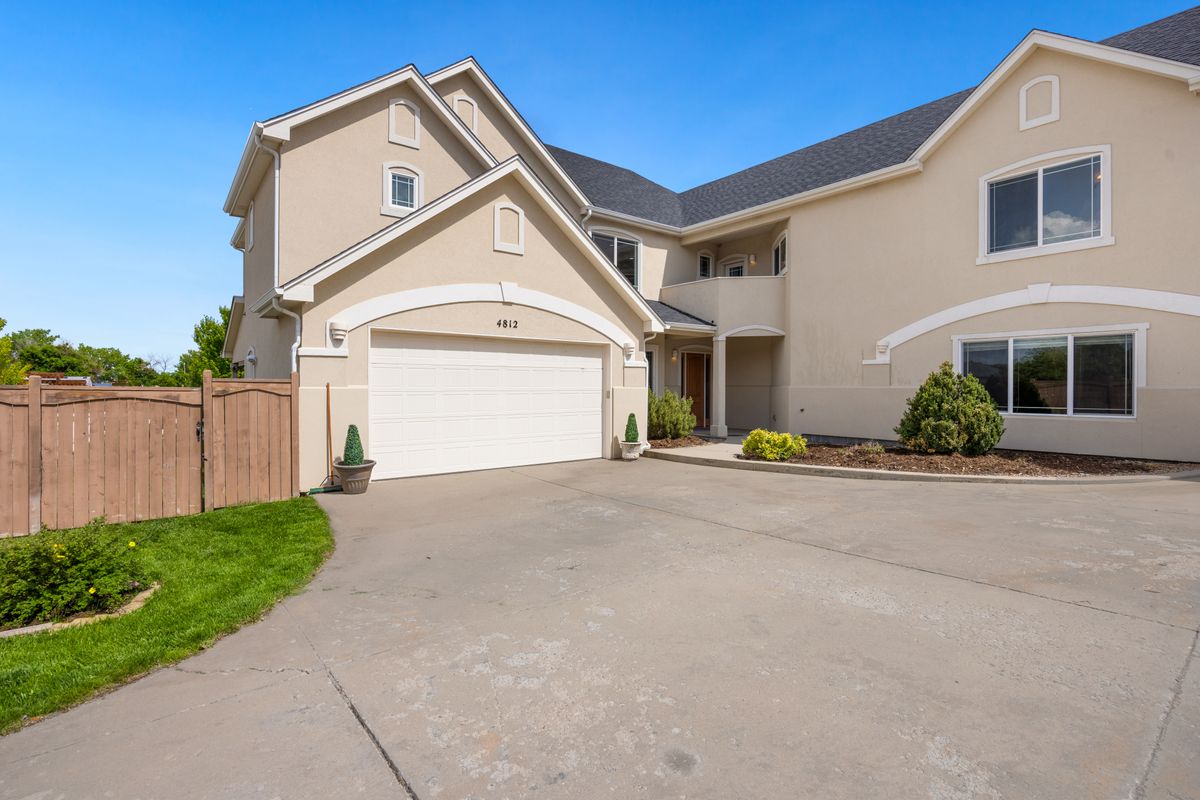
Short answer: Garage door repair costs are determined by the specific component that failed, the weight and material of the door, part availability, labor complexity, and whether high-tension safety elements are involved. In the Dallas-Fort Worth region, foundation movement caused by expansive clay soil and extreme climate exposure also play a major role in determining the full scope of necessary repairs.
Key Factors Driving Repair Expenses
The overall expense of a garage door repair depends primarily on the affected component and the complexity of the labor involved. Mechanical parts operate under heavy physical stress, meaning simple fixes like replacing nylon rollers differ significantly in labor and part costs from rebuilding a torsion spring assembly or replacing a opener logic board. Component availability and door design also drive final costs. Custom carriage-house doors, heavy solid wood panels, and insulated steel sections require specialized hardware and heavy-duty springs engineered for specific door weights. When a single door panel suffers damage, matching the exact color, panel profile, and manufacturer stamping determines whether individual panel replacement is possible or if a full door system swap is required. Additional factors include after-hours or emergency service calls, as well as the need for specialized equipment to adjust overhead track systems. If an opener failure involves an internal logic board or motor assembly rather than a simple gear kit, the complexity of the electrical work will influence labor charges.
High-Tension Dangers and Safe Homeowner Inspections
A garage door system relies on extreme spring tension to counterbalance hundreds of pounds of door weight. Homeowners can safely conduct basic visual inspections and light maintenance, but attempting to adjust or disassemble tensioned hardware presents severe injury risks. Safe homeowner checks include:
- Visually inspecting tracks for denting, rust, or loose mounting brackets.
- Checking rollers and hinges for cracks, binding, or missing fasteners.
- Wiping clean the photo-eye safety sensor lenses and checking line-of-sight alignment.
- Inspecting the rubber bottom weather seal for cracking or wear.
- Testing the manual disconnect rope while the door is fully closed.
Components that homeowners should never touch, loosen, or adjust include:
- Torsion springs mounted above the door opening.
- Extension springs running along the upper side tracks.
- Bottom corner brackets attached directly to lift cables.
- Winding cones, anchor brackets, and center bearing plates.
- Lift cables wound around upper cable drums.
Repairing Versus Replacing Components
Deciding whether to repair an existing component or replace it entirely comes down to safety, structural integrity, and age. Repairing individual parts is effective when damage is localized and replacement hardware is readily available. Repairing is typically the best option for:
- Broken torsion or extension springs, which are replaced as a balanced set.
- Frayed or snapped lift cables when drums and anchor brackets remain intact.
- Misaligned tracks, squeaking hinges, or worn nylon rollers.
- Individual failing components inside an opener, such as photo-eyes, wall buttons, or drive belts.
Full replacement becomes necessary when:
- Multiple door panels are cracked, buckled, or structurally compromised.
- The structural frame surrounding the door opening has shifted significantly, rendering existing hardware incompatible.
- Replacement parts for an older door or opener model are no longer manufactured.
- The garage door opener lacks modern safety features, such as automatic reversing mechanisms and rolling-code security.
What a Professional Technician Evaluates
A qualified technician performs a comprehensive assessment of the complete opening system before making adjustments or replacing components. Diagnostics involve both static physical checks and dynamic operational testing. During a service evaluation, a professional technician tests:
- System balance by disconnecting the automatic opener and manually lifting the door to mid-travel position to see if it remains suspended without drifting.
- Spring tension, winding count, and cable tension uniformity across both sides of the assembly.
- Track alignment, vertical plumb, horizontal squareness, and distance from the header.
- Auto-reverse functionality, verifying that the door reverses when contacting a physical obstruction or when the photo-eye beam is broken.
- Opener force settings and motor limit switch travel to prevent unnecessary strain on structural hinges and mounting brackets.
DFW Environmental and Structural Considerations
Property conditions in North Texas place unique stresses on garage door mechanisms. Highly expansive clay soil expands when wet and contracts during extended dry periods, causing slab foundations and garage portal framing to shift out of alignment. When the garage frame moves, vertical tracks lose plumb, causing the door to bind, drag, or pull rollers out of their tracks. Extreme summer heat inside unconditioned North Texas garages accelerates the degradation of opener logic boards, dries out bearing grease, and bakes rubber weatherstripping until it hardens and splits. Direct sun exposure can also expand metal door panels, leading to pop-out distortion during operation. Winter freeze events bring sudden cold snaps that make aged spring steel brittle. Torsion springs frequently snap during cold weather when metal contraction increases stress on fatigue-weakened steel. Severe thunderstorm events accompanied by large hail can dent lightweight steel or aluminum door panels, distorting the structural strength of individual sections and causing operational drag. Homeowners who need electrical upgrades or dedicated circuits installed for new opener systems should note that while general contractors are not licensed statewide in Texas, electrical work must be performed by an electrician licensed through the Texas Department of Licensing and Regulation (TDLR).
Preventive Maintenance to Lower Lifetime Costs
Regular maintenance preserves component alignment and prevents premature mechanical failure. Lubricating moving parts twice per year using a silicone-based or synthetic garage door lubricant reduces friction on steel rollers, hinges, bearing plates, and torsion springs. Heavy chassis grease or penetrating oils should be avoided, as they attract grit and break down factory coatings. Periodically checking and tightening track brackets, hinge bolts, and opener mounting hardware prevents vibration-induced loosening. Inspecting perimeter weather seals keeps rainwater and debris from entering the garage opening, which protects lower door panels and track bottoms from moisture exposure and corrosion.
Common questions
Why do technicians recommend replacing both springs if only one broke?
Garage door springs are installed at the same time and undergo identical cycle wear. When one spring fails from metal fatigue, the remaining spring has experienced the exact same stress and is likely near the end of its functional lifespan. Replacing both springs simultaneously ensures balanced lift tension and avoids a second service call shortly after the initial repair.
Can a single damaged garage door panel be replaced?
Yes, a single panel can be replaced if the door manufacturer still produces that specific section and profile. However, if the door is older, matching the color finish and stamping pattern can be difficult, and the structural integrity of neighboring panels must be evaluated to ensure proper fit.
How does foundation movement affect a garage door?
When expansive clay soil shifts the foundation, the framing surrounding the garage portal moves out of square. This misaligns the vertical tracks, causing rollers to bind, cables to jump off their drums, and the door to operate unevenly or stall mid-travel.
Should an older garage door opener be repaired or replaced?
If the opener requires major motor or logic board repairs and is more than fifteen years old, replacement is often the better option. Newer openers provide improved motor efficiency, battery backup power, rolling-code security, and updated safety sensors required by current standards.