
Should I Repair or Replace My HVAC System?
Age matters for an HVAC system, but age alone shouldn't decide whether you replace it. Start with what actually failed.
By Everyday Home Advice Editorial Team
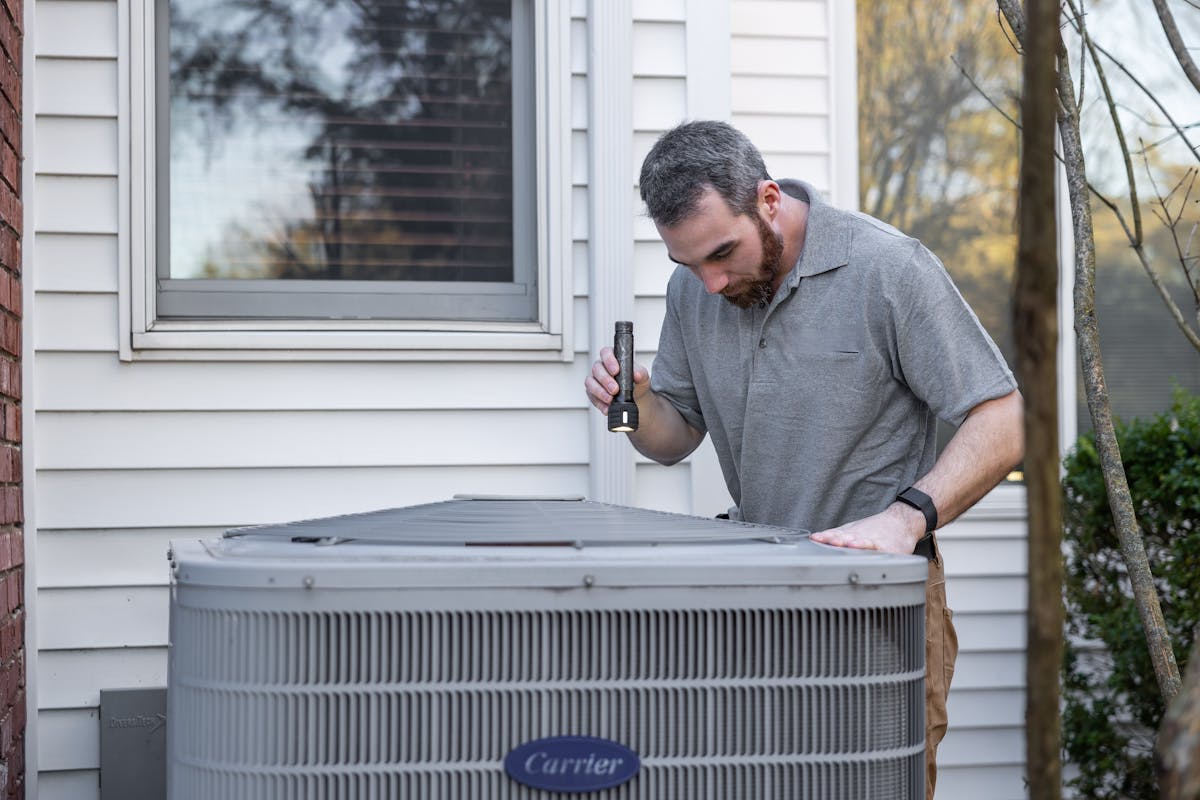
Age matters for an HVAC system, but age alone shouldn't decide whether you replace it. Start with what actually failed.
Get a diagnosis
A small component failure is different from a major failure on equipment that has already needed several repairs. Ask what failed, why it failed, and whether the rest of the system is in reasonable condition.
Look at repair history
One repair doesn't create a pattern. Several expensive repairs in a short period tell you much more. Keep your service records.
Consider comfort
Replacement deserves more consideration when the existing system consistently struggles with temperature, humidity, hot and cold areas, or reliability. Equipment isn't the only thing that affects comfort, though. Ducts, insulation, air sealing, and controls can matter too, and replacing equipment without diagnosing the real comfort problem can leave you disappointed.
Consider operating costs carefully
New equipment may offer efficiency improvements, but actual savings depend on climate, usage, the existing equipment, installation quality, utility rates, and characteristics of the home. Be cautious with simple savings promises that don't explain their assumptions.
Compare complete replacement proposals
Understand the equipment included, the installation work, electrical requirements, duct modifications, controls, warranty, removal of the old equipment, and anything excluded from the price.
Questions to ask
- What exactly failed?
- What would the repair accomplish?
- Are other major components in good condition?
- Is the current system appropriately sized?
- Are ducts contributing to the problem?
- What is included in the replacement?
- What warranties apply?
Need the system diagnosed before deciding? Find Local HVAC Help