
Why Is One Room Hotter Than the Rest?
One room staying hotter than the rest of the house doesn't automatically mean the air conditioner is failing. Start by asking what's different about that room.
By Everyday Home Advice Editorial Team
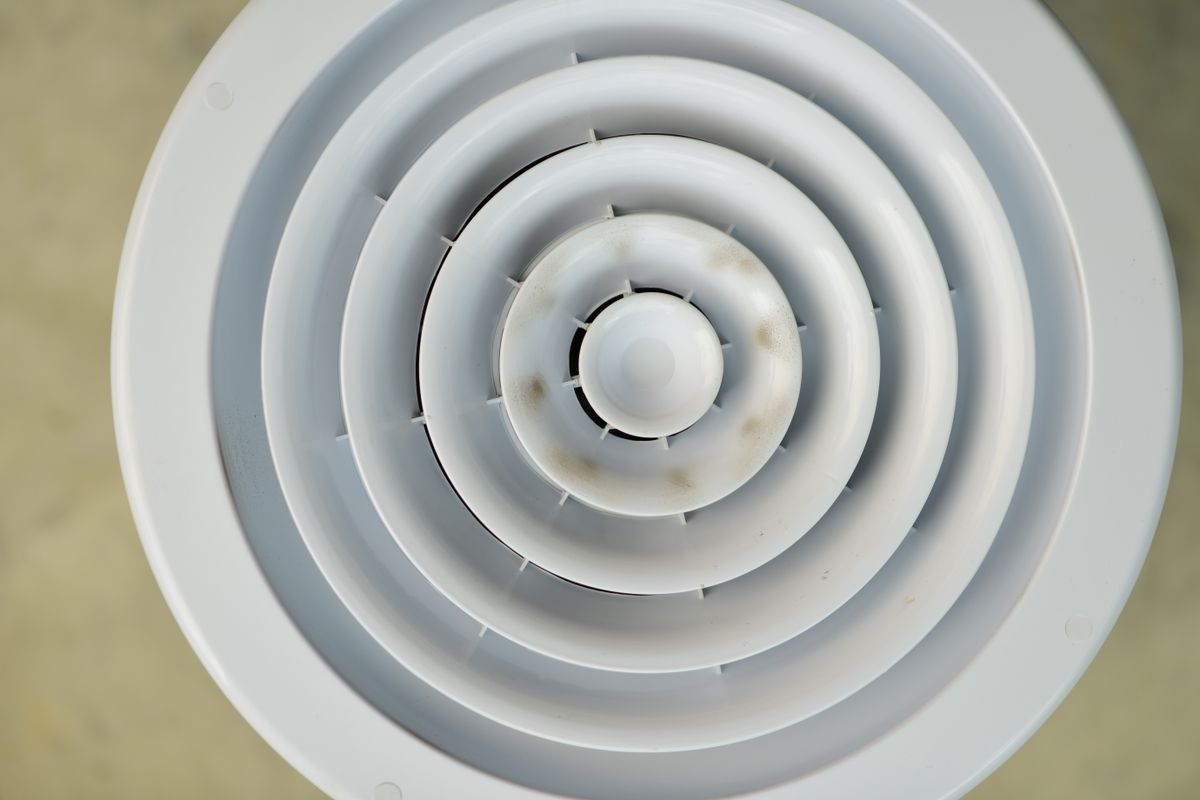
One room staying hotter than the rest of the house doesn't automatically mean the air conditioner is failing. Start by asking what's different about that room.
Check the vent
Make sure the supply register is open and isn't blocked by furniture, curtains, rugs, or stored items. Compare the airflow with a nearby room.
Think about the room's location
A room may naturally gain more heat if it sits on an upper floor, over a garage, in strong afternoon sun, against several exterior walls, or behind large windows.
What about return airflow?
Air supplied to the room needs a path back through the house. Closed doors and the home's return-air design can both interfere with circulation.
Could it be the ductwork?
Possibly. A damaged, disconnected, restricted, or poorly balanced duct can cut airflow to one area, and that's difficult to diagnose from the room alone.
What if several rooms are affected?
A pattern affecting one side or floor of the house may involve duct distribution, insulation, air leakage, sun exposure, HVAC design, or zoning.
When should I get help?
Consider professional evaluation when:
- Airflow is noticeably weak.
- The problem appeared suddenly.
- Several rooms are affected.
- The temperature difference is large.
- Basic vent and shading checks don't explain it.
Find Local HVAC Help