
Why Does My AC Condensate Drain Keep Clogging?
Short answer: An AC condensate drain line keeps clogging because warm, humid air produces constant liquid moisture that mixes with airborne dust, fungal spores, and bacteria...
By Everyday Home Advice Editorial Team
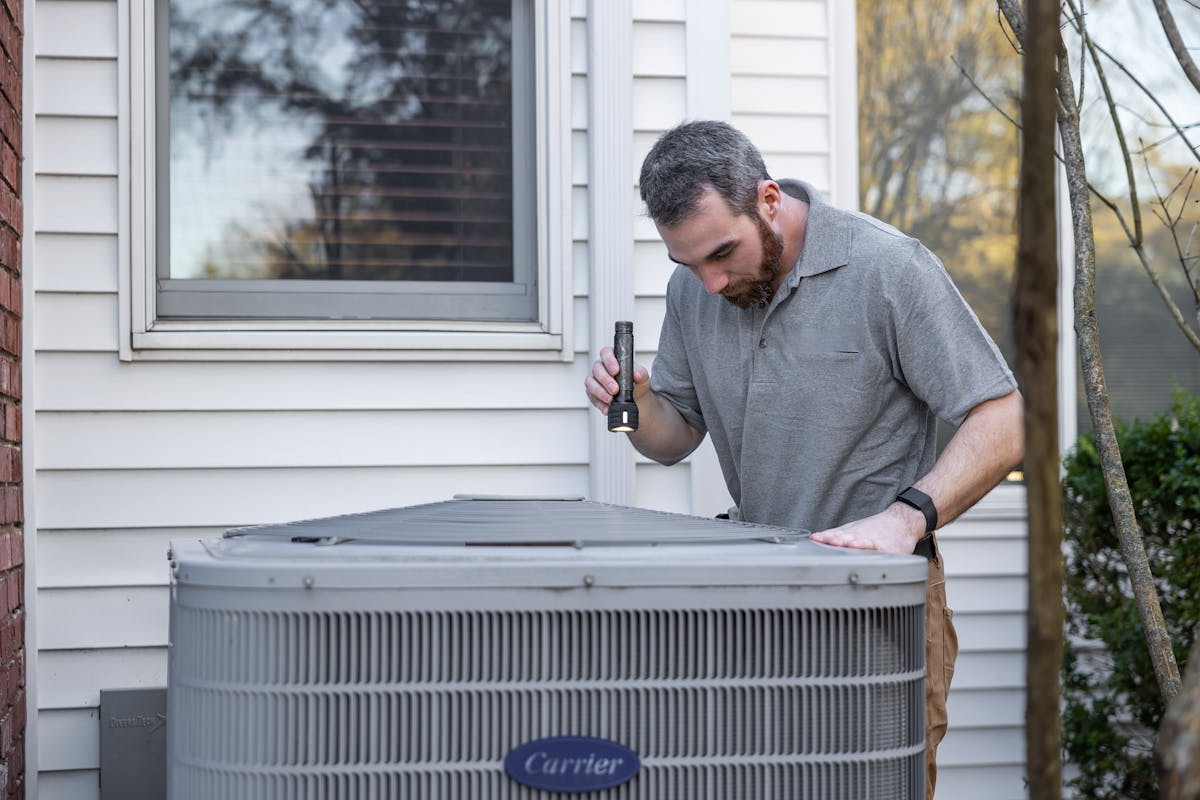
Short answer: An AC condensate drain line keeps clogging because warm, humid air produces constant liquid moisture that mixes with airborne dust, fungal spores, and bacteria inside the piping. In North Texas, prolonged summer heat and attic-mounted air handlers create warm, dark conditions where biological slime forms rapidly. Chronic clogs can also stem from improper pipe slope, a missing or improperly sized P-trap, or an aging drain pan shedding rust and debris into the drainage line.
How Your AC Condensate Drain System Works
During the cooling season, your air conditioner removes heat and moisture from your home. As humid air passes over the cold evaporator coil inside the indoor air handler, moisture condenses into liquid water. This liquid drips off the coil into a primary drain pan located directly underneath. From the primary pan, water flows into a PVC drain line. This line typically includes a P-trap, which holds a small amount of water to seal out sewer gases or prevent unconditioned air from being sucked back into the system. The water then travels down the line and exits outside your home near the foundation or ties into a plumbing drain line. Attic-mounted units also feature a secondary drain system for emergency protection. A secondary drain pan sits under the entire air handler unit, connected to a secondary drain line that terminates in an obvious location, such as above a window, to alert you to an overflow. Many modern systems also include a safety float switch installed in the primary or secondary pan that cuts power to the air conditioner if water rises too high.
Key Signs of a Recurring Condensate Clog
Identifying how water behaves around your air handler helps pinpoint why the drain line keeps clogging.
- Frequent system shutoffs: If your air conditioner stops running suddenly while the thermostat still calls for cooling, a safety float switch may have tripped because water filled the drain pan.
- Water in the emergency pan: Standing water in the secondary pan beneath an attic air handler indicates the primary drain pipe is completely blocked or restricted.
- Dripping from the exterior overflow line: If you notice water dripping from an upper-level exterior pipe above a window or patio, your primary drain line is clogged and liquid is using the backup line.
- Water pooling near indoor units: Water pooling on closet floors, around basement units, or spreading across ceiling drywall under the attic indicates an active drainage failure.
- Musty odors near vents: A persistent damp smell near the indoor return vent often points to standing water in the drain pan or microbial growth inside the pipe.
Primary Causes of Repeated Drain Line Clogs
When an AC drain line clogs repeatedly over a single cooling season, one or more underlying conditions are usually present.
Biological Slime and Algae Growth
The interior of a condensate pipe provides moisture, darkness, and warmth. Airborne algae spores, mold, and bacteria enter the system through household air and combine with condensate to form a thick, gelatinous slime. This biological gel clings to PVC walls and gradually traps pass-through debris until the line closes completely.
Dust, Dirt, and Attic Debris
Air passing over the evaporator coil carries fine dust, pet dander, and pollen. If an air filter is dirty, missing, or improperly sized, dust collects on the wet coil fins. As water drops into the drain pan, it carries this debris into the line. In attic installations, loose insulation fibers or dust surrounding an open drain vent can also enter the pipe.
Improper Pipe Slope and Missing Traps
Condensate drain lines rely on gravity to move water. If a PVC pipe lacks sufficient downward pitch, water moves slowly or collects in low spots along the run. Standing water allows algae to flourish much faster. Furthermore, if a system lacks a functional P-trap, negative air pressure created by the blower fan can pull water back into the pan instead of letting it drain away smoothly.
Damaged Drain Pans and Scale Buildup
Older metal primary drain pans corrode over time, flaking off rust particles into the drain line opening. Plastic pans can crack or degrade, accumulating minerals from hard water or biological residue that slowly flakes off and restricts flow.
Comparing Condensate Line Symptoms and Causes
| Symptom | Probable Cause | Location in System | Urgency Level |
|---|---|---|---|
| AC turns off repeatedly on hot days | Tripped safety float switch from blocked drain | Primary pan or cleanout tee | High |
| Water dripping from upper roofline pipe | Primary line fully clogged; backup line active | Secondary drain line outlet | High |
| Musty smell around indoor unit | Biological slime accumulation or standing water | Drain pan or P-trap | Moderate |
| Ceiling drywall soft or stained | Secondary pan overflowing or unequipped with switch | Attic air handler area | Emergency |
| Water pooling in utility closet | Pipe connection loose or line blocked near floor | Primary PVC drain line | High |
Risks of Ignoring Chronic Drain Line Clogs
Allowing condensate lines to clog repeatedly causes structural damage and healthy living concerns. In homes with attic-mounted air handlers, an overflowing drain pan drops water onto ceiling joists and drywall. This leads to sagging ceilings, ceiling drops, damaged flooring, and ruined structural framing. If an air handler sits in an indoor closet, standing water rots subflooring and carpet tack strips. Persistent moisture also creates ideal conditions for mold and mildew growth inside walls, ceilings, and ductwork. Moisture trapped inside the air handler cabinet can submerge internal control boards, causing severe electrical damage to the HVAC equipment.
Safe Homeowner Maintenance and Checks
Homeowners can perform routine visual checks and simple maintenance to keep clear lines running smoothly.
What Homeowners Can Safely Inspect
- Check the float switch: Visually inspect the safety switch on the primary pan to confirm it is clean and free of standing water.
- Inspect the outside terminal: Ensure the exterior end of the PVC drain line is clear of mulch, dirt, grass clippings, and pest nests.
- Flush the line: Locate the access vent or T-pipe near the indoor unit. Uncap it and slowly pour a cup of distilled white vinegar followed by warm water down the pipe to break up minor organic slime.
What Homeowners Should Never Touch
- Avoid high-pressure air tools: Do not attach high-pressure air compressors directly to light-gauge PVC lines, as excessive pressure can crack pipes hidden inside attic spaces or walls.
- Do not use harsh chemical drain cleaners: Standard lye-based or acid-based chemical drain cleaners can react with PVC, melt plastic drain pans, or damage internal cooling coils.
- Do not tamper with electrical components: Leave high-voltage wiring, control boards, and internal cabinet panels to professionals.
- Do not attempt roof work: Never climb onto dangerous pitch roofs to inspect secondary drain outlets or vents.
Professional Diagnostics and Repair Options
When simple flushes fail to resolve recurring clogs, a technician licensed through the Texas Department of Licensing and Regulation (TDLR) can perform targeted repairs.
- Nitrogen line blowouts: Technicians use regulated nitrogen gas to clear dense algae plugs, scale, and heavy debris safely out of the drain pipe.
- Installing cleanout fittings: Technicians can retrofit existing PVC lines with clear access tees, removable caps, or shutoff valves to simplify future flushing.
- Re-pitching drain lines: If a line sags or lacks proper pitch, technicians rebuild the PVC support framework to establish proper gravity drainage.
- Drain pan replacement: If the primary pan is rusted or cracked, technicians replace the pan and verify proper alignment with the evaporator coil.
- Adding inline float switches: Installing secondary inline float switches provides added protection against water damage by turning off the system before pans overflow.
What Drives the Cost of Condensate Line Repairs
Several factors influence the overall cost of fixing recurring condensate line problems:
- Accessibility: Air handlers located in tight, low-clearance attic spaces or difficult crawl spaces require more labor time than units in accessible closets.
- Severity of blockage: A simple organic clog cleared with a vacuum takes less time than a line requiring partial pipe teardown or re-routing.
- Structural modifications: Re-pitching long pipe runs through wall cavities or installing new exterior discharge paths requires additional materials and labor.
- Component replacements: Upgrading to new secondary pans, installing condensate pumps, or replacing rusted internal drain pans increases equipment needs.
North Texas Climate Impact on Condensate Systems
In North Texas, high humidity from spring through late fall requires residential air conditioners to run for extended hours every day. This continuous operation produces substantial volumes of water daily. Furthermore, many Dallas-Fort Worth homes feature horizontal air handlers located in unconditioned attic spaces. Summer attic heat creates an environment that acts like an incubator for biological slime inside PVC drain pipes. High humidity mixed with continuous attic heat makes regular condensate maintenance essential for DFW homeowners.
Preventing Future Condensate Drain Clogs
Preventing recurring condensate line blockages requires simple regular routines:
- Change air filters regularly: Replace HVAC air filters every one to three months to prevent dust from reaching the damp evaporator coil.
- Perform monthly vinegar flushes: Pour one cup of distilled white vinegar into the access T-pipe monthly during peak summer cooling months.
- Schedule seasonal maintenance: Professional spring HVAC tune-ups include checking drain line pitch, inspecting P-traps, testing safety float switches, and cleaning condensate pans.
- Keep exterior drains clear: Ensure lawn care tools and flowerbed mulch do not block the outdoor discharge pipe.
Common questions
Can I use bleach to clear my AC condensate line?
Bleach is generally not recommended. While it kills biological growth, bleach fumes can degrade plastic drain pans, corrode metal components on the indoor coil, and create harsh vapors inside your home. Distilled white vinegar or warm water is safer for routine home maintenance.
Why does my AC turn off by itself when the drain line clogs?
Modern air conditioning systems include a safety float switch installed on the drain line or emergency pan. When water backs up due to a clog, the float rises and breaks the electrical circuit, turning off the air conditioner to prevent ceiling and floor water damage.
What is the difference between the primary and secondary drain lines?
The primary drain line carries normal water condensation from your indoor coil to the outside of your home or into your plumbing system. The secondary line acts as an emergency backup. If water flows from the secondary pipe above a window or patio, your primary line is clogged.
How often should condensate lines be cleared in DFW?
In North Texas, drain lines should be flushed with white vinegar once a month during the active cooling season. Professional inspections and line blowouts should occur annually during spring maintenance.
Sources
- National Weather Service Fort Worth: https://www.weather.gov/fwd/
- U.S. Department of Energy: https://www.energy.gov/energysaver
- Texas Department of Licensing and Regulation: https://www.tdlr.texas.gov/