
HVAC Help in Carrollton: AC Problems, Repairs & Next Steps
Short answer: If your air conditioner in Carrollton is running constantly, blowing warm air, or short-cycling, the underlying cause typically stems from restricted airflow, low...
By Everyday Home Advice Editorial Team
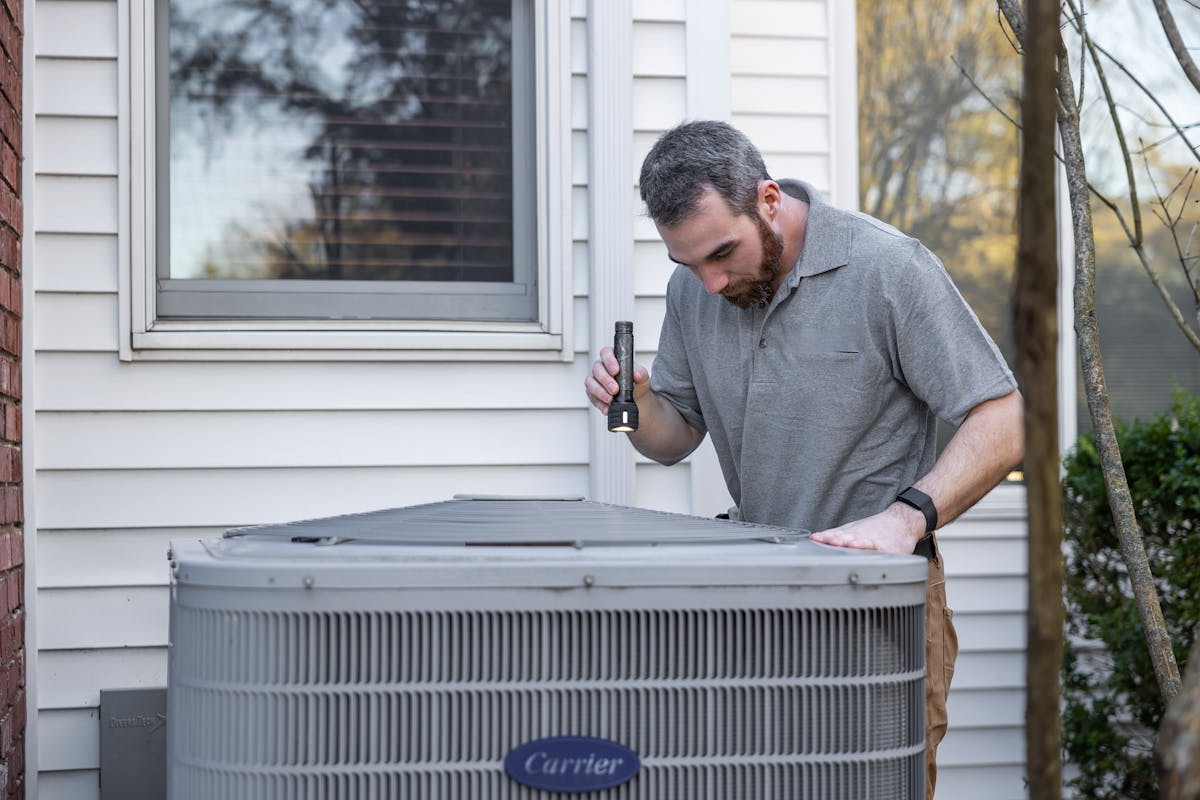
Short answer: If your air conditioner in Carrollton is running constantly, blowing warm air, or short-cycling, the underlying cause typically stems from restricted airflow, low refrigerant levels, failing electrical components, or heavy mechanical wear under severe summer heat. Basic checks like verifying thermostat settings, inspecting air filters, and clearing outdoor debris are safe for homeowners. However, high-voltage components and pressurized refrigerant lines require professional diagnostic testing and service by a licensed air conditioning contractor.
Identifying AC symptoms and underlying causes
Air conditioning systems communicate mechanical stress through altered operating patterns. Recognizing specific symptoms helps identify whether a problem requires immediate shutdown or routine service. Continuous operation often signals that the system cannot satisfy the thermostat setpoint. A clogged air filter restricts airflow across the evaporator coil, reducing cooling capacity. Low refrigerant charge caused by a line leak produces similar symptoms, forcing the compressor to run nonstop while indoor temperatures remain high. Short cycling occurs when the unit turns on and off rapidly every few minutes. Severe short cycling can stem from an oversized air conditioning system, a failing run capacitor, a dirty flame sensor on dual-fuel setups, or a tripped internal pressure switch that cuts power to protect the compressor from damage. Blowing warm air points directly to an operational failure in the outdoor condensing unit or refrigerant circuit. Common causes include a tripped breaker, a failed contactor coil, a burned compressor run capacitor, or a total loss of refrigerant. Continuing to run an air conditioner that blows warm air can quickly overheat and permanently damage the compressor windings. Drain pan overflows and standing water around the indoor unit indicate a clogged primary condensate line or a broken secondary drain system. Unresolved condensate overflows pose immediate risks of ceiling collapse and structural wood rot, particularly when indoor units reside in attic spaces.
Safe homeowner checks and safety boundaries
Homeowners can safely perform several initial checks before calling a professional technician. Always turn off power at the thermostat before inspecting indoor filter components. Check the return air filters first. A heavily coated filter severely restricts airflow, dropping coil temperatures and causing system efficiency to plummet. Inspect supply vents in every room to ensure furniture, drapes, or rugs are not blocking airflow. Confirm that the thermostat is set to cool mode, the fan switch is set to auto rather than continuous on, and the temperature setting sits lower than the current room reading. Visually inspect the outdoor condenser unit. Clear away grass clippings, leaves, pulled weeds, and stored outdoor items surrounding the metal cabinet. Ensure plants maintain clear separation from the side louvers so the fan can pull exterior air freely through the condenser coil. Homeowners must never open energized electrical access panels, disconnect switches, or service valves on indoor or outdoor HVAC equipment. High-voltage electrical circuits in modern air handlers and condensers carry enough electrical current to cause severe shock, arc flash, or fatal injury. High-pressure refrigerant lines are pressurized and regulated by federal environmental protection laws. Never attempt to press valve cores, cut copper lines, or manipulate electrical contactors directly.
Professional diagnostics and repair solutions
When simple checks do not resolve the issue, a professional diagnostic evaluation is required. Air conditioning contractors licensed by the Texas Department of Licensing and Regulation (TDLR) follow rigorous procedures to evaluate system performance. Technicians hook gauge manifolds up to liquid and suction line valves to measure operating pressures and calculate superheat and subcooling values. These figures tell the technician whether the system holds an accurate refrigerant charge or if a leak exists within the copper tubing, Schrader valves, or coil assemblies. Electrical diagnostics involve testing voltage, amperage draw, and resistance across the compressor motor, outdoor fan motor, and indoor blower assembly. Multimeters test capacitors to verify microfarad output matches original design specifications. Burned or pitted contactors are inspected and tested for proper voltage pull-in. Airflow diagnostics utilize static pressure meters, anemometers, and thermal imaging cameras to check supply and return duct balance. Technicians evaluate air temperature drops across the indoor evaporator coil to confirm proper thermal absorption. Common repair options include replacing defective capacitors, swapping out worn contactors, clearing clogged condensate lines with high-pressure nitrogen, repairing coil leaks and recharging refrigerant, or replacing seized blower motors.
DFW environmental factors affecting Carrollton HVAC systems
Carrollton residential properties face distinct environmental stresses that directly impact heating and cooling performance. Understanding these regional factors helps explain why systems experience premature wear or sudden summer breakdowns. Attic air handler placement is standard across many local home designs. During peak summer months, Carrollton attic temperatures regularly climb past ambient air temperatures, subjecting indoor air handlers, evaporator coils, and flex ductwork to intense heat loads. High attic temperatures increase thermal gain through duct walls and reduce overall cooling efficiency, while extreme heat degrades electrical insulation and plastic drain pans over time. Expansive clay soil condition is another significant regional factor. Ground moisture fluctuations cause soil to expand during wet periods and contract during prolonged dry stretches. This movement shifts concrete equipment pads supporting outdoor condenser units, causing them to tilt. An uneven condenser pad strains copper refrigerant line sets, stresses solder joints, and pulls electrical conduit taut, leading to sudden refrigerant leaks or electrical disconnections. Severe weather and freeze events also present seasonal challenges. Spring hailstorms batter delicate exterior condenser fins, crushing aluminum louvers and blocking essential airflow through the coil. Winter hard freezes can freeze trapped moisture inside uninsulated condensate drain lines or exterior hose bibs near the condenser, causing line ruptures that show up as major drainage leaks during the following cooling season.
Repair versus replacement decisions and cost drivers
Deciding whether to repair or replace an air conditioning unit depends on system age, refrigerant compatibility, repair frequency, and overall mechanical condition. Systems that have reached the end of their design lifespan often experience successive component failures that quickly accumulate costs. Refrigerant type plays a major role in repair economics. Older systems designed for phased-out refrigerants face substantial supply costs when recharging after a leak. Replacing major sealed components like compressors or evaporator coils on aging systems is often less cost-effective than investing in a modern replacement unit. Key cost drivers in HVAC service include:
- Component accessibility within tight, unconditioned attic spaces or high rooflines
- System capacity requirements matched to square footage and heat gain load
- Extent of refrigerant leak location work, recovery procedures, and nitrogen line purging
- Complete replacement of crushed, degraded, or undersized ductwork
- Electrical upgrades, including disconnect box replacement or dedicated circuit wiring
Preventive maintenance for long-term efficiency
Consistent maintenance prevents sudden summer failures and prolongs equipment lifespan under harsh operation conditions. Replace return air filters every one to three months depending on filter depth, home dust levels, and household pet activity. Clean filters protect the indoor evaporator coil from heavy dust accumulation that insulates the coil and starves airflow. Maintain at least two feet of clear clearance around all sides of the outdoor condenser cabinet. Gently rinse dirt and fine dust off exterior aluminum fins using a standard garden hose with a spray nozzle directed downward. Never use pressure washers, which instantly crush delicate coil fins. Flush the primary indoor condensate line periodically during the cooling season by pouring white vinegar down the drain trap access port. This practice breaks down algae growth and organic sludge before it forms complete drain line blockages. Schedule professional bi-annual maintenance with a licensed TDLR contractor once in spring for cooling and once in autumn for heating. Technicians inspect electrical connections, verify refrigerant levels, clean drain lines, and measure system performance before extreme temperatures arrive.
Common questions
Do HVAC contractors need a state license in Texas?
Yes. Air conditioning contractors must hold an active license issued by the Texas Department of Licensing and Regulation (TDLR). General contractors are not licensed at the state level in Texas, but specialized mechanical, electrical, and plumbing contractors must maintain active state licensure.
Why is my AC condensate drain pan in the attic overflowing?
Overflowing secondary drain pans indicate that the primary condensate line is completely blocked by algae, dust, or debris build-up. When condensate water cannot flow through the main drain, it backs up into the secondary attic pan. If the safety float switch fails or is missing, water spills over into attic insulation and ceiling sheetrock below.
Can a dirty air filter cause my outdoor AC unit to freeze up?
Yes. A dirty or clogged air filter restricts airflow across the indoor evaporator coil. Without sufficient room air passing over the coil to transfer heat, the refrigerant inside the coil drops below freezing temperatures. Ambient humidity then freezes on the coil surface, accumulating ice that eventually travels down the copper suction line to the outdoor unit.
How far away should plants and shrubs be from my outdoor AC unit?
Maintain a minimum clear space of two feet on all sides of the outdoor condensing unit, along with at least five feet of open vertical clearance above the top fan discharge. Unobstructed clearance allows proper heat rejection and prevents leaves or branches from entering the fan assembly.