
Fort Worth Home Repair & Maintenance Guide
Short answer: Maintaining a home in Fort Worth requires active monitoring of systems exposed to expansive clay soil, severe summer attic heat, hard water, and winter freeze...
By Everyday Home Advice Editorial Team
Short answer: Maintaining a home in Fort Worth requires active monitoring of systems exposed to expansive clay soil, severe summer attic heat, hard water, and winter freeze events. Identifying early warning signs like sticking interior doors, secondary condensate line discharge, sudden water pressure drops, or flickering lights helps prevent isolated mechanical failures from becoming major structural or interior issues.
Foundation and Structural Maintenance in Expansive Clay Soil
Expansive clay soil expands significantly when saturated with water and contracts during extended dry periods. This movement creates shifting soil forces under slab-on-grade foundations and pier-and-beam homes.
Identifying Structural Symptoms
A homeowner may observe sticking doors or windows, diagonal cracks in sheetrock above door frames, stair-step cracks through exterior brick veneer, or uneven flooring. These symptoms often worsen during hot summer months or after heavy rainstorms.
Risks and Safe Inspections
Unchecked foundation differential movement can stress underlying plumbing lines, distort framing, and alter roof alignment. Homeowners can safely check the soil perimeter around the slab to ensure ground slopes away from the foundation. Gaps between the soil and the concrete slab indicate soil drying, while standing water near the edge indicates poor drainage.
Actions to Avoid
Do not adjust pier-and-beam post jacks, inject chemical soil stabilizers, or attempt hydraulic foundation jacking without an engineering evaluation. Structural foundation repairs require specialized engineering assessments.
Managing Attic HVAC Systems and Heat Strain
Cooling systems in local homes contend with extreme ambient attic heat throughout the summer season. Elevated attic temperatures put high stress on electrical components, compressor units, and condensate drainage systems.
System Diagnostics and Symptoms
When an air conditioner runs continuously without cooling, blows warm air, or drips water from a secondary drain pipe installed above an exterior window, the system is failing to transfer heat or clear condensate properly. Likely causes include outdoor condenser coils clogged with debris, low refrigerant levels from system leaks, failed run capacitors, or a blocked primary condensate drain line.
Preventing Ceiling Collapses and Equipment Damage
A clogged primary drain line forces water into the emergency condensate pan below the attic air handler. If that pan overflows or its backup line blocks, water drains directly through ceiling drywall, causing ceiling collapse and indoor moisture damage. Homeowners can safely replace air filters monthly during summer and clear visible debris around the outdoor condenser unit.
Electrical and Refrigerant Safety
Never open high-voltage capacitor covers or electrical panels on the outdoor unit. Capacitors store high electrical charges even when power is disconnected. Servicing refrigerant circuits requires EPA certification and licensing through the Texas Department of Licensing and Regulation (TDLR).
Plumbing System Integrity, Slab Leaks, and Water Quality
Plumbing infrastructure must withstand both movement in the soil and internal stress caused by mineral-dense hard municipal water.
Slab Leaks and Winter Freezes
Water supply lines and sewer pipes situated beneath concrete slab foundations can flex or shear when underlying clay soil shifts. Symptoms include localized warm spots on tile floors, persistent sound of running water when fixtures are off, damp carpet, or unexpected increases in water usage. In winter, sharp freeze events can freeze uninsulated pipes running through exterior walls or unconditioned attic spaces, leading to pipe bursts.
Homeowner Inspections
Homeowners can monitor the main water meter while all interior and exterior taps are closed. Movement on the leak indicator dial confirms an active leak. Homeowners should locate and test the main water shutoff valve before winter weather arrives to ensure quick isolation in an emergency.
Professional Scope
Do not jackhammer concrete floor slabs or apply temporary clamps to pressurized underground lines. Plumbers licensed through TDLR use specialized acoustic location equipment, pressure loss testing, and inline camera inspections to pinpoint slab leaks precisely without unnecessary slab demolition.
Roofing and Exterior Envelope Protection
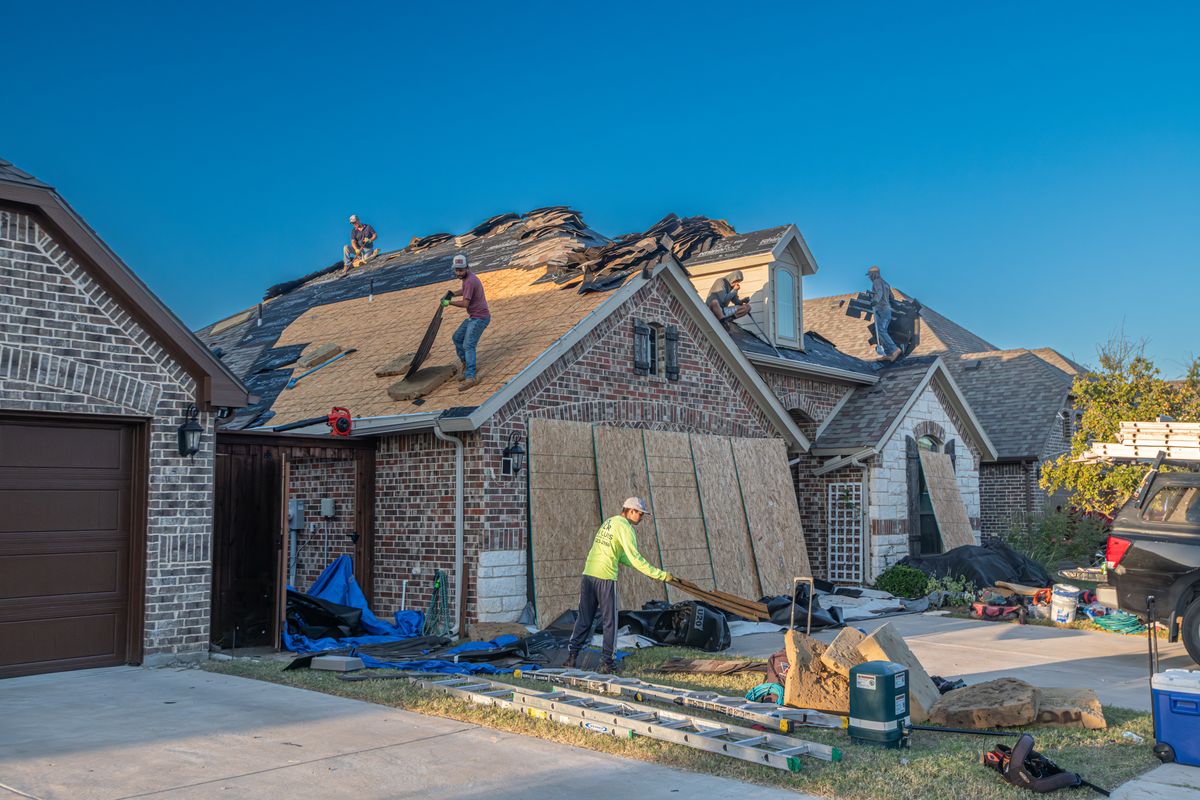
Spring storms bring hail, high winds, and intense rain that degrade roofing materials and exterior cladding.
Weather Damage Indicators
Signs of roof damage include displaced or missing asphalt shingles, bruised granule surfaces, loose chimney flashing, dented gutters, or brown water stains on attic rafters. Thermal expansion from direct sun exposure also breaks down sealants around plumbing vent boots over time.
Inspection Hazards
Homeowners should conduct visual checks from ground level using binoculars or inspect the attic interior for water entry during daylight hours. Do not walk on steep, wet, or hail-damaged roofs. Slipping hazards and structural weakness in compromised decking can lead to serious falls. Repairs involving roof deck replacement, structural framing, or full shingle replacement should be left to roofing specialists.
Electrical System Evaluation and Circuit Safety
Electrical systems must handle substantial power loads from air conditioners, electric water heaters, and modern home appliances.
Overloads and Aging Components
Symptoms of electrical stress include breakers that trip repeatedly, lights that dim or flicker when the cooling system starts, switch faceplates that feel warm, or persistent buzzing from electrical boxes. Older properties may feature ungrounded two-prong receptacles or outdated branch wiring that cannot support modern electrical demands.
Homeowner Checks and Safety Boundaries
Confirm that tripped breakers are fully switched off before pushing them back into the "on" position. Disconnect heavy appliances from shared circuits if tripping occurs. Test Ground Fault Circuit Interrupter (GFCI) receptacles monthly using the built-in test button. Never remove the panel deadfront cover, attempt panel work, or touch main service entry cables. Electrical contractors must hold active TDLR licensing.
Diagnostics, Repair Decisions, and Cost Factors
Evaluating home maintenance problems requires professional testing tools and an understanding of key cost drivers.
Professional Diagnostic Methods
- Foundation contractors measure slab elevation differentials using electronic water levels.
- Air conditioning technicians check superheat and subcooling values, static duct pressures, and electrical draw.
- Licensed plumbers perform hydrostatic pressure testing, camera pipe inspections, and line isolation tests.
- Electricians utilize thermal imaging cameras to locate loose connections and clamp meters to test circuit current loads.
Repair Versus Replacement
Systems near the end of their operational lifespan that require major component overhauls, such as replacing a seized HVAC compressor or completely replacing corroded galvanized supply piping, often justify total system replacement over temporary repairs. Isolated leaks, single faulty breakers, or localized roof shingle loss are typically suited for targeted repair.
Primary Drivers of Repair Costs
Cost variations depend on component accessibility, such as tunneling under a slab versus working in an open crawlspace, total labor hours, structural framing requirements, material grades, and necessary municipal permits. In Texas, plumbers, electricians, and A/C contractors are licensed by TDLR, whereas general contractors are not licensed statewide.
Common questions
Why do interior doors stick during hot summer months?
Extensive heat dries out expansive clay soil, causing foundation settlement or shifting that temporarily distorts door frames and interior partition walls.
What causes water to drip from the pipe above my window?
This exterior drain line is connected to the emergency drain pan under your attic air handler. Water dripping from it indicates that the primary condensate line is blocked and requires cleaning.
Are general contractors licensed through the state of Texas?
No. Texas does not issue statewide licenses for general contractors. However, trade specialists including electricians, plumbers, air conditioning technicians, and mold remediation contractors are regulated and licensed by TDLR.
How does hard water affect home plumbing systems?
Hard water leaves calcium and mineral deposits inside supply pipes, water heaters, and fixture valves. Over time, these deposits restrict water flow, lower heating efficiency, and accelerate component wear.
## Official resources - [City of Fort Worth](https://www.fortworthtexas.gov/) for permits, inspections and municipal services - [Texas Department of Licensing and Regulation](https://www.tdlr.texas.gov/) to verify an electrician, plumber, mold remediation contractor or A/C contractor license - [National Weather Service, Fort Worth office](https://www.weather.gov/fwd/) for watches and warnings covering Fort Worth