
HVAC Help in Dallas: AC Problems, Repairs & Next Steps
Short answer: When an air conditioner malfunctions during severe heat, start by performing safe homeowner checks on thermostat settings, circuit breakers, and return air...
By Everyday Home Advice Editorial Team
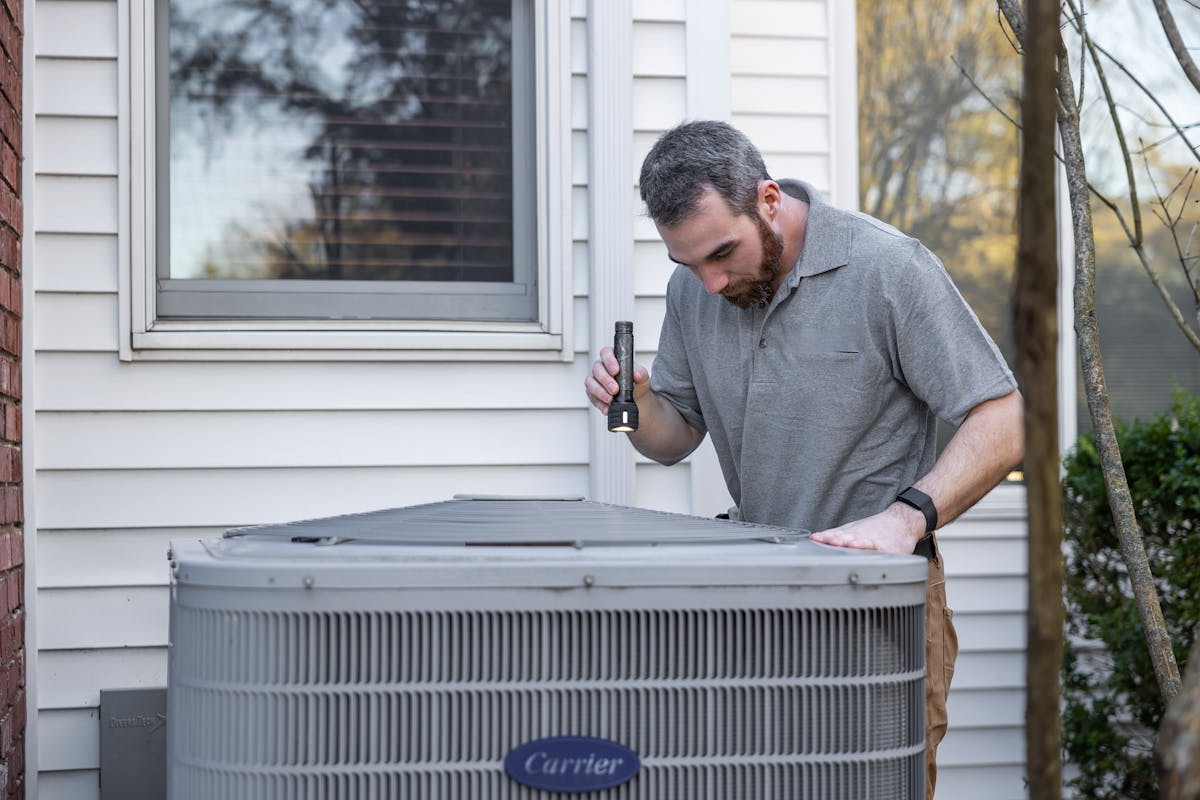
Short answer: When an air conditioner malfunctions during severe heat, start by performing safe homeowner checks on thermostat settings, circuit breakers, and return air filters. If simple adjustments do not restore cooling or if you notice standing water, frozen coils, or unusual sounds, turn the system off immediately. Complex electrical troubleshooting, refrigerant handling, and internal mechanical repairs require a qualified technician licensed through the Texas Department of Licensing and Regulation (TDLR).
Common AC Symptoms and Causes
Air conditioning problems manifest through specific operational symptoms that signal distinct mechanical or electrical failures:
- Warm air from supply vents: A system blowing warm air can stem from a clogged return air filter, a tripped outdoor breaker, a defective dual-run capacitor that prevents the compressor from turning on, or a refrigerant leak.
- Evaporator coil icing: Ice accumulation on indoor refrigerant lines or the cooling coil occurs when restricted airflow starves the coil of heat or when low refrigerant pressure lowers the freezing point. Left unchecked, ice insulates the coil and risks destroying the compressor motor.
- Water leaking indoors: Water pooling near the indoor air handler or dripping through a ceiling vent indicates a clogged primary condensate drain line, a cracked drain pan, or a malfunctioning emergency condensate pump.
- Short cycling: Rapid cycling on and off can result from an improperly sized cooling unit, severe airflow restriction from a dirty filter, a faulty thermostat sensor, or an overheating compressor safety switch.
- Mechanical noises: Screeching or grinding sounds indicate worn motor bearings or a failing indoor blower wheel. Loud humming or buzzing often points to a failed starting capacitor or stuck electrical relay.
Safe Homeowner Checks and Safety Boundaries
Homeowners can safely perform basic visual and external checks before calling for professional service. Confirm that the wall thermostat is set to cool and that the target temperature is set lower than the current room temperature. Check that the air filter is clean and properly aligned inside its slot. Ensure that supply vents throughout the house are open and unblocked by furniture or drapes. Inspect the outdoor condenser unit to confirm that leaves, grass clippings, and garden debris are cleared away from the exterior coils. Certain components must never be serviced by an uncertified homeowner. High-voltage electrical wiring inside the indoor air handler and outdoor condenser cabinet carries lethal electrical current. Dual-run capacitors retain a dangerous electrical charge even after power to the system is shut off at the main breaker box. Homeowners should never attempt to connect manifold gauges to refrigerant ports, adjust internal gas valves on combination heating units, or alter electrical control boards.
DFW Environmental Stressors on HVAC Equipment
North Texas weather places extraordinary demands on residential cooling systems. In DFW homes, air handlers and evaporator coils are almost universally installed inside unconditioned attic spaces. During peak summer heat, attic temperatures routinely surpass 140 degrees Fahrenheit. This extreme thermal environment forces attic ductwork and cooling coils to work against immense heat gain, accelerating mechanical wear on blower motors and causing outdoor compressors to run at maximum capacity for extended periods. High ambient summer humidity produces large volumes of water condensation inside attic air handlers. Hard water minerals and organic dust combine within condensate drain pans, forming thick algae blooms that choke primary drain pipes. Furthermore, severe spring weather brings large hail that can crush delicate aluminum fins on the outdoor condenser unit. Flattened fins restrict air circulation through the condenser coil, raising operating pressures and driving up mechanical stress. Winter freeze events can also damage exposed outdoor drain lines if standing water is trapped inside over multi-day freezes.
Professional Diagnostic Procedures
When basic homeowner checks do not resolve a cooling issue, a licensed professional conducts targeted testing to pinpoint the root cause. In Texas, air conditioning contractors and technicians must maintain licensure through the Texas Department of Licensing and Regulation (TDLR). During a service call, a technician performs specific diagnostic tests:
- Amp draw and voltage testing: Using a clamp meter, the technician measures electrical current drawn by the compressor, outdoor fan motor, and indoor blower motor to detect electrical winding resistance or impending motor failure.
- Refrigerant pressure analysis: Connecting digital manifold gauges allows the technician to measure suction and liquid line pressures, calculating exact superheat and subcooling values to identify refrigerant leaks or metering device restrictions.
- Static pressure testing: Manometers measure static pressure within supply and return plenum ductwork to evaluate whether air movement meets system specifications.
- Component evaluation: Microfarad meters evaluate capacitor performance against factory tolerances, while electrical meters verify that contactors, relays, and thermostatic expansion valves operate correctly.
Repair Options, Replacement Decisions, and Cost Factors
Minor failures can often be addressed with focused repairs. Common repairs include replacing a dual-run capacitor, clearing clogged condensate lines with nitrogen, replacing contactor switches, or repairing an isolated refrigerant line leak before recharging system fluid. However, when an older system experiences major component failure, such as a burnt-out compressor motor or a severely corroded evaporator coil, full equipment replacement becomes the more sensible long-term choice. Replacing an aging unit is especially practical if the equipment uses phased-out refrigerants that are increasingly costly to source. When replacing equipment, installing a matched system (combining an indoor air handler or furnace, evaporator coil, and outdoor condenser) ensures balanced airflow, proper oil circulation, and rated seasonal efficiency. Several factors influence total repair and replacement expenses:
- Equipment tonnage and capacity needed to cool the square footage of the home.
- Installation accessibility, such as tight attic access ladders versus spacious ground-level setups.
- Efficiency tier rating (SEER2 ratings) and system motor type (single-stage, two-stage, or variable-speed).
- Physical condition of existing ductwork, supply plenums, and high-voltage electrical hookups.
Preventing HVAC Failures in DFW Homes
Proactive maintenance prevents unexpected breakdowns during heat waves:
- Inspect return air filters monthly and replace them every 30 to 60 days during heavy summer usage.
- Flush the primary condensate drain line periodically with plain white vinegar to clear biological growth.
- Keep a clear perimeter of at least two feet around the outdoor condenser unit to permit proper heat exchange.
- Schedule professional bi-annual maintenance checks, reserving spring for cooling system inspections and autumn for heating equipment checks.
- Check attic insulation levels to ensure excessive heat in the attic space does not overpower supply ductwork.
Common questions
Why is water leaking from my ceiling near the return air vent?
This occurs when the primary condensate drain line becomes blocked, forcing water to spill into the secondary emergency drain pan. If the emergency drain line is also obstructed or if the overflow float switch fails to shut off power, excess water spills into ceiling drywall. Turn off the system at the thermostat immediately to prevent structural damage.
Is it safe to run my AC if the outdoor unit makes a loud buzzing noise?
No. Loud buzzing usually signals a failed capacitor, a stuck contactor switch, or a locked compressor motor pulling excessive electrical current. Continuing to operate the unit under these conditions can permanently burn out the compressor windings or damage electrical wiring.
How does hail damage affect an outdoor AC unit?
Hail impacts bend and flatten the delicate aluminum coil fins on the outside of the condenser. Flattened fins restrict airflow through the coil, preventing heat from dissipating from the refrigerant into outdoor air. This airflow restriction raises operating pressures and forces the compressor to work harder.
How often should air filters be replaced during hot DFW summers?
Standard one-inch air filters should be checked every 30 days and replaced at least every 60 days during continuous summer operation. Homes with pets, higher dust levels, or single-return filter grilles may require monthly replacements to prevent airflow restriction.