
Roofing Help in Dallas: Leaks, Storm Damage & Repair Decisions
Short answer: Identifying roof damage and leaks in Dallas-Fort Worth requires inspecting key failure points like flashing, valleys, and hail-impacted shingles while...
By Everyday Home Advice Editorial Team
Short answer: Identifying roof damage and leaks in Dallas-Fort Worth requires inspecting key failure points like flashing, valleys, and hail-impacted shingles while distinguishing roof leaks from attic AC condensate overflows or plumbing issues. Minor storm damage and localized flashing gaps call for targeted repairs, while severe hail loss or aging asphalt shingles require full replacement. Safe ground inspections and prompt professional evaluation protect your home from structural wood rot and interior ceiling damage.
Identifying ceiling stains and potential leak sources
A water stain on a ceiling indicates where water has settled, not necessarily where it entered the structure. Water can penetrate a flashing seam or shingle gap, flow down an angled rafter or roof decking, and drop onto drywall feet away from the initial exterior entry point. In North Texas homes, distinguishing a roof leak from an HVAC or plumbing issue is an essential first step. Attic air handlers operate constantly during long, hot summers. A clogged condensate drain line or rusted drain pan located in the attic will overflow, producing dark ceiling stains that look identical to rain leaks. Stains that appear or expand during clear, hot weather usually stem from attic HVAC units. Stains that worsen during active rainfall or high winds indicate exterior envelope failures. Plumbing leaks from second-story supply or drain lines also generate localized ceiling discoloration. Checking the attic directly above the stain helps narrow down the cause before calling a contractor.
How DFW weather and soil conditions stress roofing systems
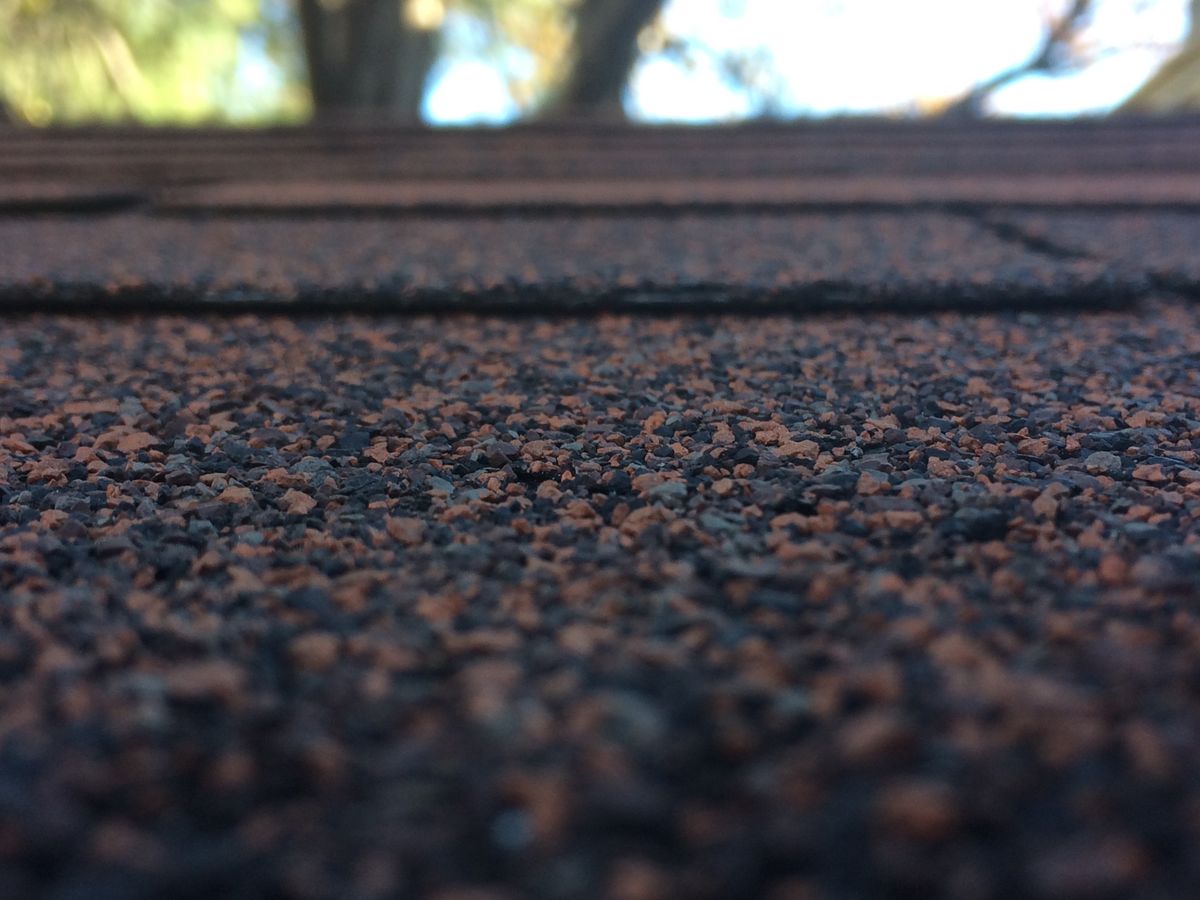
Local climate factors and ground movement create specific stress points on roofing materials in North Texas. High summer temperatures heat attic spaces and baking roof surfaces, accelerating the breakdown of asphalt shingle granules and causing rubber pipe boots to crack. Hail storms frequently impact the metroplex, driving ice stones into shingles. Hail breaks the protective granule layer and fractures the underlying asphalt-impregnated fiberglass mat, exposing raw materials to UV light and moisture. Severe wind gusts can lift shingle tabs, breaking the thermal adhesive seal along shingle edges. Extreme freeze events can cause water to collect in valleys or clogged gutters, expanding as it freezes and pushing under roof edges. Additionally, expansive clay soil expands and contracts with moisture changes, causing continuous subtle movement in home foundations. This structural shifting flexes frame walls and roof trusses, pulling flashing away from chimneys, wall step intersections, and dormers over time.
Safe homeowner checks and what to avoid
Homeowners should conduct preliminary checks safely from the ground or inside the attic:
Ground-level inspection
Use binoculars to examine the roofline from the perimeter of your home. Look for missing shingle tabs, lifted edges, curled shingle corners, dented metal valley trim, or damaged ridge caps. Check gutters and downspouts for accumulation of dark asphalt granules.
Interior attic inspection
Access the attic during daylight hours or during a rainstorm with a bright flashlight. Scan exposed decking and rafters for dark water stains, active drips, or wet insulation. Trace wet spots up the rafter to locate the highest point of moisture.
Safe limits and hazard avoidance
Do not climb onto a roof that is wet, steep, or damaged by high winds. Extreme summer heat makes asphalt shingles soft and easily damaged underfoot, while also creating slick surfaces. Do not handle electrical wiring near ceiling water stains or attempt to puncture swollen drywall if mold or structural instability is present.
What a professional tests during an inspection
A thorough professional evaluation goes beyond a visual check of the upper shingles. Technicians examine the roof system from both exterior and interior vantage points using specialized tools. Contractors use moisture meters to detect trapped water underneath shingle layers, synthetic underlayment, and plywood decking. Thermal imaging cameras help trace temperature drops associated with hidden moisture migration along wooden roof framing. On the roof surface, the technician checks nail pattern placement, adhesion of shingle sealant strips, structural integrity of valley metals, and the condition of step flashing around walls and chimneys. While Texas does not license general roofing contractors at the state level, municipal registration is often required. Other trades that may interact with roof penetrations or indoor water damage, such as plumbers, electricians, mold remediation contractors, and air conditioning technicians, are licensed through the Texas Department of Licensing and Regulation (TDLR). Professional roofers carry general liability and workers' compensation insurance.
Repair versus replacement decisions
Determining whether to repair or replace a roof depends on the extent of damage, material age, and overall structural condition.
When repair is appropriate
Localized damage can often be resolved with targeted repairs. Replacing damaged pipe boot collars, re-flashing a chimney, re-securing lifted wind-damaged shingles, or replacing a handful of missing shingle tabs on a relatively young roof restores protection without full system replacement.
When replacement is necessary
Full replacement becomes necessary when hail damage is widespread, fracturing the fiberglass mat across multiple roof slopes. If shingles have lost most of their granule surfacing, show signs of widespread cupping and cracking, or if underlying plywood decking has rotted across large areas, a full tear-off is required. Installing new shingles over damaged decking or old layers hides structural decay and leads to early failure. Replacing the complete assembly ensures new underlayment, ice and water shields, drip edges, and proper attic ventilation are installed correctly.
Key factors that drive roof repair and replacement costs
Roofing costs vary significantly based on physical roof characteristics and material selections rather than standard square footage alone. Primary factors affecting overall expense include:
- Roof pitch and architectural complexity, as steep slopes and multiple valleys or dormers require additional labor and safety rigging.
- Material choice, ranging from standard three-tab asphalt shingles to heavy-duty architectural shingles, impact-resistant products, or standing-seam metal systems.
- Extent of decking replacement needed to fix rotted OSB or plywood structural sheathing.
- Upgrade requirements for flashings, valley liners, drip edge installation, and attic ventilation components.
Preventive maintenance for North Texas roofs
Proactive maintenance extends the life of a roof and prevents costly emergency leaks. Inspect rubber pipe boots every few years, as intense sun degrades neoprene seals long before shingles fail. Keep valleys and gutters free of leaves and organic debris so water drains freely. Trim tree branches back from the roofline to prevent physical abrasion against shingle granules during high winds. Ensure attic soffit and ridge vents remain unblocked to maintain airflow, which lowers attic temperatures and protects asphalt shingles from thermal breakdown.
Common questions
How can I tell if a ceiling stain is from the roof or the AC?
Stains caused by attic AC condensation lines often appear during hot, dry summer periods when the air conditioner runs continuously. Roof leaks typically produce dark stains or active drips during or immediately following rain showers and high-wind events.
Is roof contractor licensing required in Texas?
Texas does not issue a statewide license for general roofing contractors. However, plumbers, electricians, mold remediation contractors, and HVAC technicians must hold state licenses through TDLR. Homeowners should verify municipal registration, insurance coverage, and local references before hiring a roofing contractor.
How does foundation movement affect a roof?
Expansive clay soil causes home foundations to shift with wet and dry weather cycles. This movement flexes the framing structure, which can pull roof flashings away from chimneys, walls, and roof intersections, creating paths for water intrusion.
Should I put a tarp over a roof leak myself?
Climbing onto a high or wet roof creates serious fall hazards. Emergency tarping should be left to trained professionals who have fall-protection equipment and experience securing tarps safely without causing further damage to fragile shingles.