
HVAC Help in Fort Worth: AC Problems, Repairs & Next Steps
Short answer: Air conditioning issues in Fort Worth usually stem from airflow restrictions, electrical component failures, refrigerant leaks, or clogged drain lines. Homeowners...
By Everyday Home Advice Editorial Team
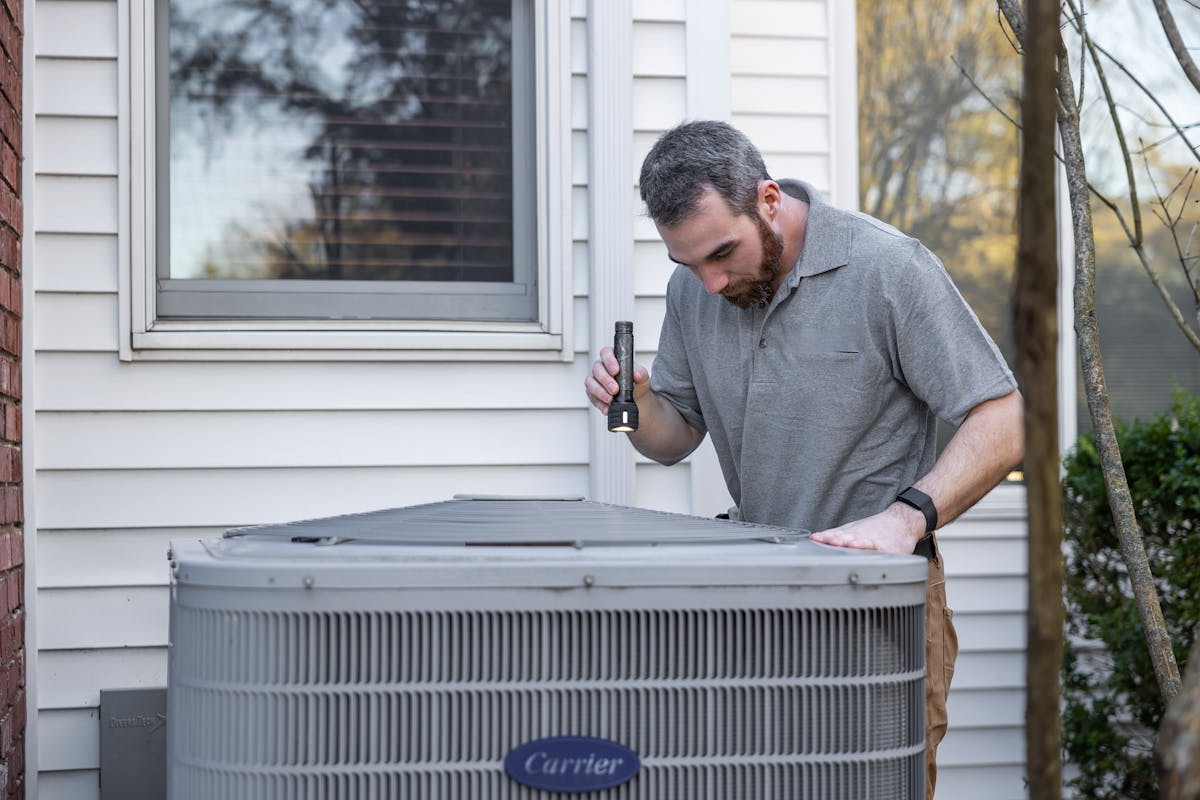
Short answer: Air conditioning issues in Fort Worth usually stem from airflow restrictions, electrical component failures, refrigerant leaks, or clogged drain lines. Homeowners can safely check thermostats, replace air filters, verify circuit breakers, and clear debris around outdoor units. Internal electrical, refrigerant, or mechanical work should be performed by an air conditioning contractor licensed through the Texas Department of Licensing and Regulation (TDLR) to avoid safety risks and equipment damage.
Identifying Air Conditioning Symptoms and Likely Causes
Air conditioning systems display clear symptoms when internal components experience strain or failure. Recognizing these signs helps identify whether an issue requires immediate system shutdown or routine maintenance.
Constant Running or Blowing Warm Air
When an air conditioner runs non-stop without reaching the thermostat setpoint, or blows warm air from supply vents, restricted airflow is often a factor. Clogged air filters reduce air volume across the evaporator coil. If airflow is clear, low refrigerant levels from a line leak or a degraded run capacitor can prevent the compressor from operating effectively.
Short Cycling
Short cycling occurs when the cooling system turns on and off rapidly in brief intervals. This pattern can be caused by an oversized system, a faulty thermostat sensor, dirty air filters triggering internal limit switches, or a safety float switch repeatedly cutting power due to a backing-up drain pan.
Unusual Mechanical and Electrical Noises
Grinding or squealing sounds often indicate worn bearings inside the indoor blower motor or outdoor fan motor. Humming or loud buzzing typically signals a sticking electrical contactor, a failing capacitor, or a motor unable to start. Hissing or bubbling noises usually point to a pressurized refrigerant leak within the copper tubing or coil assembly.
Sudden Energy Bill Spikes
An unexpected rise in cooling costs without a sudden shift in outdoor temperatures indicates reduced operating efficiency. This can happen when the outdoor condenser coil is coated in dirt, refrigerant levels are low, or heat buildup forces the system to run extended cycles to maintain indoor setpoints.
Safe Homeowner Inspections vs. Severe Safety Hazards
Homeowners can perform basic maintenance and preliminary checks without risking personal injury or equipment damage. Never attempt to disassemble sealed electrical panels or handle internal components. Safe homeowner actions include: Checking thermostat power, battery status, and operating modes. Inspecting air filters and replacing dirty units with appropriately sized filters. Checking circuit breakers in the main electrical panel to see if an HVAC breaker has tripped. Clearing leaves, weeds, grass clippings, and brush from around the outdoor condenser unit to ensure unobstructed airflow. Dangerous tasks that require a professional include: Opening electrical control boxes on the indoor air handler or outdoor condenser. Capacitors store high-voltage electrical charges even when power is disconnected. Connecting gauge manifolds to refrigerant lines. Clearing deep primary drain line clogs with high-pressure chemicals that can crack plastic drain pans. Touching exposed or frayed electrical wiring near attic air handlers.
What a Licensed Professional Tests and Diagnoses
When a licensed technician inspects an air conditioning system, they perform precise diagnostic testing across mechanical, electrical, and airflow assemblies. Technicians measure electrical performance using multi-meters to check voltage, amp draw on compressor motors, and microfarad ratings on capacitors. They test contactor points for pitting or burn marks that impede electrical current. To evaluate cooling capacity, technicians attach digital pressure gauges to check refrigerant charge levels. They measure superheat and subcooling calculations to determine if the system has a leak, a restricted metering device, or improper airflow. Technicians also measure total external static pressure in the duct system to locate restrictions. They inspect evaporator and condenser coils for corrosion or debris, clear condensate drain lines using specialized flush tools, and verify that secondary safety float switches shut the system down during an overflow event.
Repairing vs. Replacing Your System
Deciding whether to repair an existing system or replace it completely depends on component condition, system age, and overall operating history. Minor components like run capacitors, fan motors, contactors, condensate float switches, and blower relays are straightforward to replace. Replacing these parts preserves an otherwise functional system. Replacement becomes the practical choice when major components suffer catastrophic failure. A burned-out compressor, a severely corroded outdoor condenser coil, or a leaking indoor evaporator coil often warrant full system replacement, especially on systems approaching or exceeding a decade of service. Upgrading is also necessary if the system uses older phased-out refrigerants that are difficult or expensive to source during service calls.
What Drives HVAC Repair and Replacement Costs
Several technical and structural factors dictate the overall cost of servicing or installing air conditioning equipment: Component complexity: Replacing a small electrical relay involves less labor and equipment cost than replacing a compressor or indoor evaporator coil. Refrigerant type and volume: Older refrigerants cost more per pound to recover and recharge compared to modern standard refrigerants. Equipment location and accessibility: Systems installed in tight, high-temperature attic spaces require additional setup, safety measures, and labor time compared to ground-level installations. Equipment efficiency ratings and technology: Multi-stage compressors, variable-speed fan motors, and high-efficiency heat exchangers require higher upfront component costs than basic single-stage systems. * Ductwork and electrical upgrades: Modern replacement units may require resized supply plenums, updated circuit breakers, or larger copper line sets to operate correctly.
Fort Worth Climate and Regional Infrastructure Impacts
North Texas home design and environmental conditions create specific challenges for air conditioning equipment in Fort Worth neighborhoods. Attic air handlers are standard in local residential construction. During Fort Worth summer heat waves, attic spaces reach extreme temperatures. This intense ambient heat stresses electrical components, causes thermal breakdown of fan motor insulation, and degrades run capacitors rapidly. Expansive clay soil in the Fort Worth region contracts and expands during seasonal dry and wet cycles. This continuous movement shifts concrete foundation slabs and exterior equipment pads. Soil movement can put physical strain on copper refrigerant lines running into the home, potentially causing cracking or hidden line leaks over time. Spring and summer weather patterns bring severe storms and heavy hail to North Texas. Hail strikes physically flatten aluminum condenser fins on outdoor units, blocking air passage across the coils and causing system overheating. High outdoor humidity levels during hot months generate large volumes of water condensation inside indoor units. Hard water mineral buildup and biological growth can easily block narrow drain lines, causing condensate pans in attics to spill over and create ceiling leaks if float switches fail.
Common questions
Why is my AC unit frozen and covered in ice?
Ice formation on air conditioner lines or coils is caused by restricted airflow or low refrigerant levels. A dirty air filter, blocked return vents, or a clogged blower wheel stops warm air from moving across the evaporator coil, causing residual moisture to freeze. Turn the system off at the thermostat and call a licensed professional.
Can a dirty air filter cause my system to blow warm air?
Yes. A heavily clogged filter restricts airflow across the evaporator coil, which causes the coil to drop below freezing temperature. Ice builds up and blocks air from passing into your living space, eventually causing the system to blow warm air or shut down entirely.
Do air conditioning contractors in Texas require a state license?
Yes. Air conditioning contractors in Texas must hold an active license issued by the Texas Department of Licensing and Regulation (TDLR). You can verify a contractor's licensing and insurance status on the TDLR public database before hiring them for repairs.
How often should I clear or check my HVAC drain line?
In warm humid climates like Fort Worth, inspect your primary condensate line and clear the drain access point at least once before the summer cooling season starts. Checking the emergency drain pan in your attic monthly during summer ensures safety float switches operate properly.