
Roofing Help in Fort Worth: Leaks, Storm Damage & Repair Decisions
Short answer: Decide between roof repair and replacement by checking whether damage is localized or widespread, confirming the age of the roofing system, and assessing...
By Everyday Home Advice Editorial Team
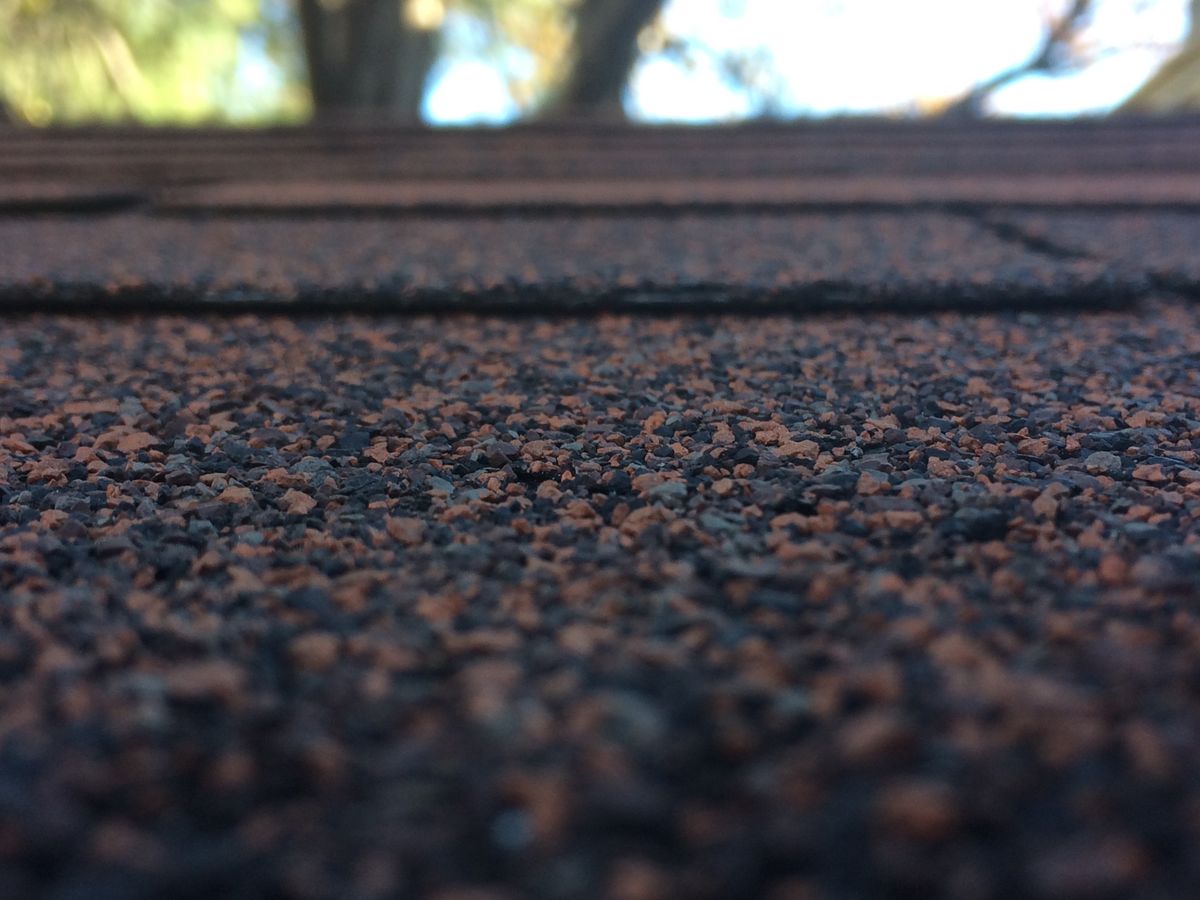
Short answer: Decide between roof repair and replacement by checking whether damage is localized or widespread, confirming the age of the roofing system, and assessing underlying deck integrity. Isolated issues like a slipped shingle, a failing pipe boot, or minor flashing gaps can be repaired quickly. Widespread hail bruising, cracked underlayment from long-term thermal expansion, or extensive wind uplift across multiple roof slopes usually require full replacement to protect the home.
Identifying Roof Damage and Active Leaks
Roof damage presents in distinct ways depending on the underlying cause. Water spots on ceilings, damp attic insulation, peeling paint near soffits, and dark streaks on exterior walls are classic indicators of moisture intrusion. Different weather events cause unique roof failures:
- Hail impact dislodges protective mineral granules, exposing the underlying asphalt matrix to rapid ultraviolet breakdown. In severe cases, hail fractures the fiberglass mat beneath the shingle surface.
- High winds create uplift pressure that tears shingle tabs, breaks factory adhesive seals, or removes entire shingle sections, leaving underlayment exposed.
- Degraded flashing around wall step joints, chimneys, valleys, and plumbing vent stacks allows water to channel behind vertical surfaces and directly into framing.
- Intense summer UV exposure causes asphalt shingles to lose volatile oils, leading to curling edges, clawing, and surface cracking.
Not every ceiling stain stems from a roof leak. In homes where HVAC air handlers are located in unconditioned attic spaces, clogged primary drain lines or rusted secondary drain pans can spill water onto ceiling drywall, mimicking a severe roof leak during summer cooling months.
Safe Homeowner Inspections and Safety Limits
Homeowners can safely perform initial damage assessments without stepping onto the roof surface. Use a pair of binoculars from ground level to inspect ridge cap shingles, rake edges, gutters, and roof slopes for missing shingles, lifted edges, or visible discolored patches. Examine gutters and downspout discharge points for excessive accumulations of dark mineral granules, which signal advanced shingle wear. From inside the home, inspect attic spaces during daylight hours using a flashlight. Check for light passing through structural decking, damp rafter boards, dark water rings, or sagging decking panels. Safety limits must be strictly observed:
- Do not walk on wet, steep, or visibly damaged roof slopes.
- Avoid stepping onto roofs with structural sagging, which indicates decayed decking or compromised rafters.
- Do not attempt to repair or inspect damaged roof-mounted electrical service masts or solar panel wiring. Electrical work in Texas requires a license through the Texas Department of Licensing and Regulation (TDLR), so electrical hazards must be left to a licensed professional.
Professional Evaluation and Testing Procedures
When a roof sustains storm damage or shows chronic leaks, a professional inspection provides a comprehensive evaluation of hidden structural components. During an inspection, a qualified technician will:
- Examine critical transition zones, including valleys, wall intersections, skylight perimeters, and roof vent flashings.
- Test shingle adhesion strength along wind-exposed slopes to determine if seal strips have detached.
- Check underlying OSB or plywood decking for moisture retention using electronic moisture meters or thermal imaging tools.
- Document hail impact patterns across all directional slopes to differentiate fresh storm damage from general wear and tear.
In Texas, general roofing contractors are not licensed at the state level, unlike TDLR-licensed plumbers, electricians, and air conditioning contractors. Homeowners should verify that a roofing company carries adequate commercial general liability insurance, holds local municipal contractor registrations where required, and maintains certifications from major roofing material manufacturers.
Repairing Versus Replacing a Fort Worth Roof
Choosing between spot repairs and full replacement depends on damage scope, material age, and structural deck health. Targeted repairs are appropriate when damage is confined to a single area, such as a localized wind-blown shingle zone, a cracked rubber pipe boot, or minor flashing displacement. If adjacent asphalt shingles remain flexible and retain good granule adhesion, a technician can replace isolated sections without disturbing the surrounding roof structure. Full roof replacement becomes necessary when:
- Hail impacts have fractured the structural matting across multiple roof facets.
- Shingles have reached the end of their service life, becoming so brittle that attempting repairs causes adjacent shingles to break.
- Moisture has rotted substantial portions of the wood roof decking beneath the underlayment.
- Multiple repair attempts have failed to stop chronic, widespread leaks.
Key Factors Driving Roof Repair and Replacement Costs
Roofing costs vary significantly based on physical property characteristics and material selections rather than a simple square-footage calculation. Primary cost drivers include:
- Roof pitch and complexity: Steeper slopes require specialized safety rigging, slow down installation speed, and increase labor requirements. Roofs with multiple hips, valleys, gables, and dormers take longer to flash and seal correctly.
- Tear-off and disposal: Removing multiple layers of existing shingles adds heavy manual labor and increased waste hauling demands compared to a single-layer removal.
- Material selection: Multi-layer architectural shingles, synthetic underlayments, heavy-duty metal flashing, and high-performance ridge vents carry different material expenses than basic three-tab shingles and felt paper.
- Decking repairs: Replacing rotted or delaminated plywood and OSB decking panels increases material and structural labor requirements.
- Accessibility and height: Multi-story homes require extra staging and material handling, which impacts total labor demands.
North Texas Climate Challenges and Prevention
Roofing systems in Fort Worth endure severe weather cycles that accelerate physical wear. Summer heat raises attic temperatures significantly, baking shingle decking from below if attic ventilation is inadequate. Rapid thermal expansion during hot days followed by evening cooling stresses roof fasteners and degrades sealants around vent penetrations. Spring weather regularly brings high wind gusts and severe hail that can strip protective granules or puncture underlayment. Winter cold snaps cause thermal shock and freeze-thaw cycles that expand small gaps in flashing joints. Additionally, expansive clay soils cause subtle seasonal shifts in home foundations, which can twist framing and pull step flashing away from brick chimneys or exterior walls. Preventive steps help maximize roof longevity:
- Clean leaves and debris from gutters and valleys to prevent standing water backing up under shingle edges.
- Ensure ridge vents and soffit vents are unobstructed to allow proper attic airflow and reduce thermal buildup.
- Trim tree branches back several feet from the roof line to prevent mechanical scraping during high wind events.
- Inspect rubber plumbing vent boots regularly, as heat causes them to crack well before asphalt shingles wear out.
Common questions
Can missing shingles be repaired without replacing the whole roof?
Yes. Isolated missing shingles can be replaced individually as long as the underlying roof deck is structurally sound and surrounding shingles are flexible enough to be lifted without cracking.
How can a homeowner tell hail damage from normal shingle wear?
Hail damage creates distinct, soft-feeling indentations where granules have been violently displaced, often leaving exposed black asphalt. Normal aging manifests as uniform granule loss, surface cracking, and curling edges across entire slopes.
Does a roof leak mean the entire roof deck must be replaced?
No. A roof leak usually stems from a specific breach in flashing, a torn shingle, or a failed boot seal. Decking replacement is only required if water exposure has been ongoing long enough to cause wood decay, swelling, or structural weakening.
Why do plumbing pipe boots fail before the rest of the roof?
Plumbing pipe boots use neoprene or rubber gaskets that degrade under intense sunlight and temperature spikes much faster than asphalt shingles, leading to cracks around the pipe penetration while the surrounding roof is still in good condition.