
Electrical Help in Frisco: Common Problems & When to Call an Electrician
Short answer: Electrical issues in Frisco range from basic overload trips caused by heavy appliance use to dangerous loose connections, failing receptacles, or heat-strained...
By Everyday Home Advice Editorial Team
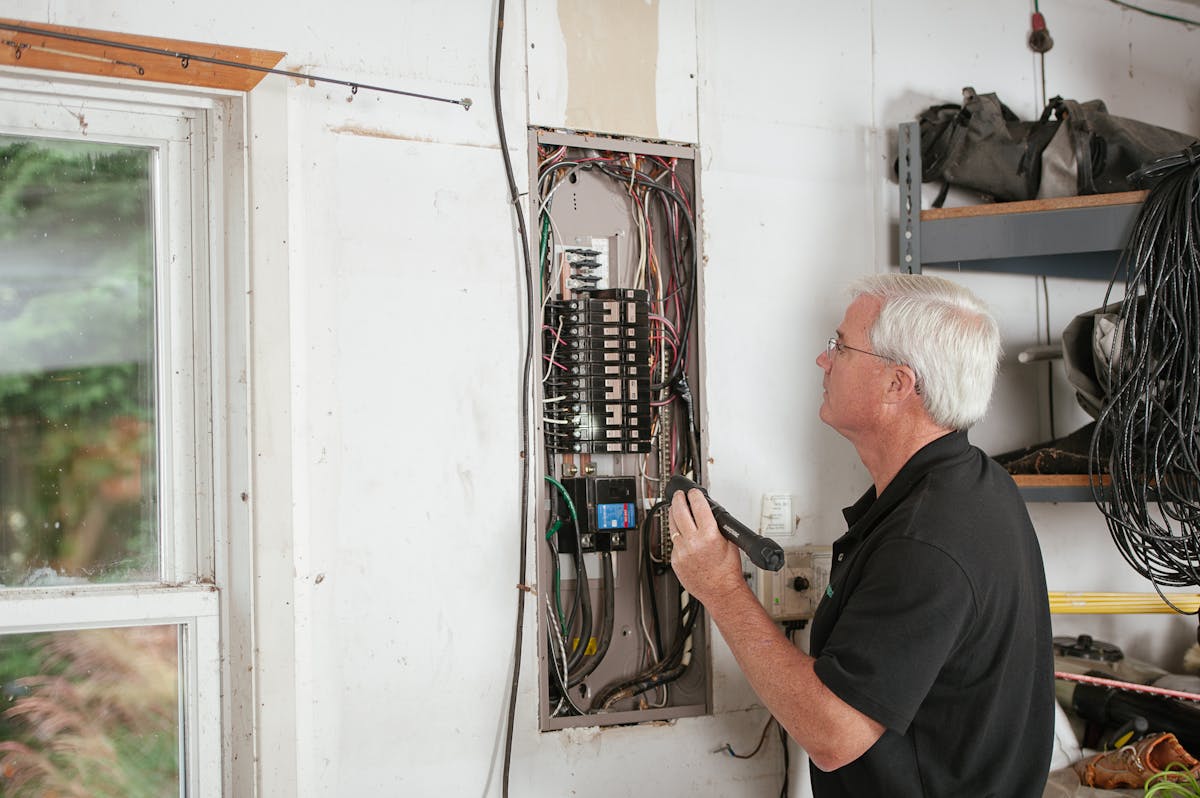
Short answer: Electrical issues in Frisco range from basic overload trips caused by heavy appliance use to dangerous loose connections, failing receptacles, or heat-strained attic wiring. While swapping light bulbs and resetting tripped ground-fault circuit interrupter outlets are safe initial checks, symptoms like scorching odors, warm wall plates, buzzing switches, or flickering lights require prompt evaluation by a licensed electrician to prevent shock hazards and fires.
Identifying Electrical Symptoms and Severity
Electrical problems present clear visual, audible, or thermal symptoms, but their underlying urgency varies significantly. Understanding what a symptom indicates helps homeowners respond safely before severe hazards develop. A dimming or flickering light can result from a loose bulb, a deteriorating light fixture socket, or voltage drops caused by large appliances starting up on the same circuit. Persistent flickering across multiple rooms often points to a loose neutral wire at the main service entrance or inside the electrical panel, which requires immediate attention. Outlets or switch plates that feel warm to the touch, emit a faint buzzing sound, or show signs of discoloration indicate localized resistance. High electrical resistance generates heat when current moves across loose terminal screws or degraded internal copper contacts. This heat can melt plastic housings and ignite surrounding drywall paper or insulation. A burning odor resembling hot plastic or fishy chemical smells signals active thermal breakdown of wiring insulation. A tripping breaker indicates that a circuit is drawing more current than its rated capacity, or that a direct short circuit or ground fault has occurred. While an occasional trip during heavy appliance use is a protective action, a breaker that trips immediately upon reset points to an unaddressed fault.
Safe Homeowner Checks and Safety Limits
Homeowners can perform basic initial checks without exposing themselves to dangerous electrical currents or damaging panel equipment. Safe homeowner actions include:
- Testing bulbs in flickering fixtures by turning off power at the wall switch and replacing the bulb with one of appropriate wattage.
- Checking nearby Ground Fault Circuit Interrupter (GFCI) outlets. Receptacles downstream from a tripped GFCI outlet in a kitchen, bathroom, garage, or outdoor area will lose power until the main GFCI reset button is pressed.
- Inspecting cord connections on plugged-in appliances to ensure prongs are fully inserted and undamaged.
- Resetting a tripped circuit breaker once by pushing the handle firmly to the OFF position until it clicks, then switching it back to ON.
Critical safety boundaries must be respected:
- Never open the inner dead-front panel of an electrical service enclosure.
- Never touch an outlet, switch, or panel that shows visible scorch marks, melted plastic, or pooled water.
- Never insert metal tools or probes into open outlets or panel slots.
- Never replace a circuit breaker with a higher amperage rating to prevent trips, as this bypasses wire protection and creates a major fire hazard.
Local Electrical Stressors in Frisco
Frisco homes experience unique environmental and structural demands that impact electrical performance over time. The region features a mix of homes built across different decades, from established neighborhoods constructed in the late twentieth century to rapidly expanding new developments. Extended summer heat pushes attic temperatures to extreme levels. In North Texas attics, high ambient heat accelerates the thermal degradation of non-metallic building wire insulation routed near roof decks and HVAC air handlers. When central air conditioning units run constantly during prolonged heatwaves, main service panels and dedicated HVAC compressors operate under sustained heavy electrical load. Spring weather brings severe thunderstorms accompanied by lightning strikes and power grid fluctuations. Transient voltage surges can damage ungrounded electronic equipment and weaken arc-fault circuit interrupter (AFCI) devices, causing them to become overly sensitive or fail to trip during an actual fault. In addition, expansive clay soils cause subtle seasonal movement in concrete slab foundations. This structural shifting can stretch or strain rigid grounding electrode conductors embedded in slab foundations or attached to external ground rods, compromising the safety path designed to divert fault currents into the earth.
What a Licensed Electrician Tests and Repairs
In Texas, electrical contractors and electricians are licensed through the Texas Department of Licensing and Regulation (TDLR). Hiring a licensed professional ensures repairs comply with the National Electrical Code and local Frisco municipal building standards. During a service call, a licensed electrician performs systematic diagnostic testing using calibrated instruments. Electricians measure voltage drop, circuit resistance, and current draw using digital multimeters and clamp meters. Thermal imaging cameras allow them to identify hidden loose connections or overloaded conductors inside walls and panel enclosures without tearing into drywall. Common repair options include:
- Re-terminating loose wire connections at switches, outlets, and panel bus bars.
- Replacing worn wall receptacles that no longer grip appliance plugs securely.
- Installing new GFCI or AFCI circuit breakers to meet modern residential codes.
- Repairing heat-damaged junction boxes located in attic spaces or exterior locations.
- Correcting improper aluminum-to-copper wire connections using approved pressure connectors.
Repair Versus Replacement and Cost Drivers
Deciding whether to repair an individual component or replace an entire electrical sub-assembly depends on age, physical condition, and capacity. Individual wall outlets, wall switches, and single-pole breakers can usually be replaced quickly without modifying surrounding wiring. Full service panel replacement becomes necessary when an existing panel shows severe bus bar corrosion, thermal melting, or physical overload. Older panels with obsolete designs or insufficient bus capacity cannot safely supply modern high-wattage households equipped with multiple HVAC systems, electric vehicle chargers, and heavy kitchen appliances. Several factors drive the overall cost of electrical work:
- Accessibility of the circuit, such as work required inside tight attic spaces or through finished drywall versus clear exterior panel access.
- The structural extent of the repair, ranging from swapping a simple receptacle to running a new dedicated circuit from the panelboard.
- Panel capacity requirements and necessary service entrance upgrades.
- Local municipal permitting and inspection requirements enforced in Frisco.
- Emergency response times for unexpected outages or hazardous thermal failures.
Preventing Electrical Hazards and System Strain
Proactive maintenance reduces system strain and prevents unexpected electrical failures. Homeowners can take several operational steps to protect their electrical infrastructure:
- Distribute high-draw plug-in appliances across separate circuits rather than running microwave ovens, space heaters, and coffee makers on a single kitchen line.
- Avoid using extension cords as permanent wiring solutions, especially under rugs or through doorways.
- Install whole-home surge protection devices at the main panel to guard against lightning-induced voltage spikes.
- Ensure attic air handlers and outdoor HVAC disconnect boxes remain free from pest intrusion and moisture buildup.
- Schedule periodic professional inspections for older homes to verify ground rod integrity and panel torque settings.
Common questions
Why does my circuit breaker keep tripping when the air conditioner turns on?
An air conditioning compressor draws a heavy initial surge of current when starting up. If the start capacitor is failing, the motor windings are damaged, or the circuit breaker itself has worn out from repeated heat cycles, the excessive current draw triggers the breaker to open as a safety measure.
Is a humming or buzzing light switch dangerous?
A faint hum can occur with dimmers adjusting current flow, but a loud buzzing switch indicates loose terminal connections or internal contact degradation. Arcing inside the switch mechanism can generate high heat, making repair or replacement by an electrician necessary.
Why did all the outlets in my bathroom stop working at the same time?
Bathroom outlets are connected in series on a ground-fault circuit. If the primary GFCI outlet trips due to moisture or a plugged-in appliance fault downstream, all connected receptacles on that circuit lose power simultaneously until the primary outlet is reset.
Do electrical repairs in Frisco require a municipal permit?
Minor repairs like replacing switches, light fixtures, or outlets do not usually require a permit. However, adding new dedicated circuits, replacing main panels, or upgrading electrical service entrances requires permits and inspections under Frisco municipal building codes.