
HVAC Help in Frisco: AC Problems, Repairs & Next Steps
Short answer: Air conditioning issues in Frisco homes usually stem from restricted airflow, electrical component failure, refrigerant leaks, or clogged condensate drain lines....
By Everyday Home Advice Editorial Team
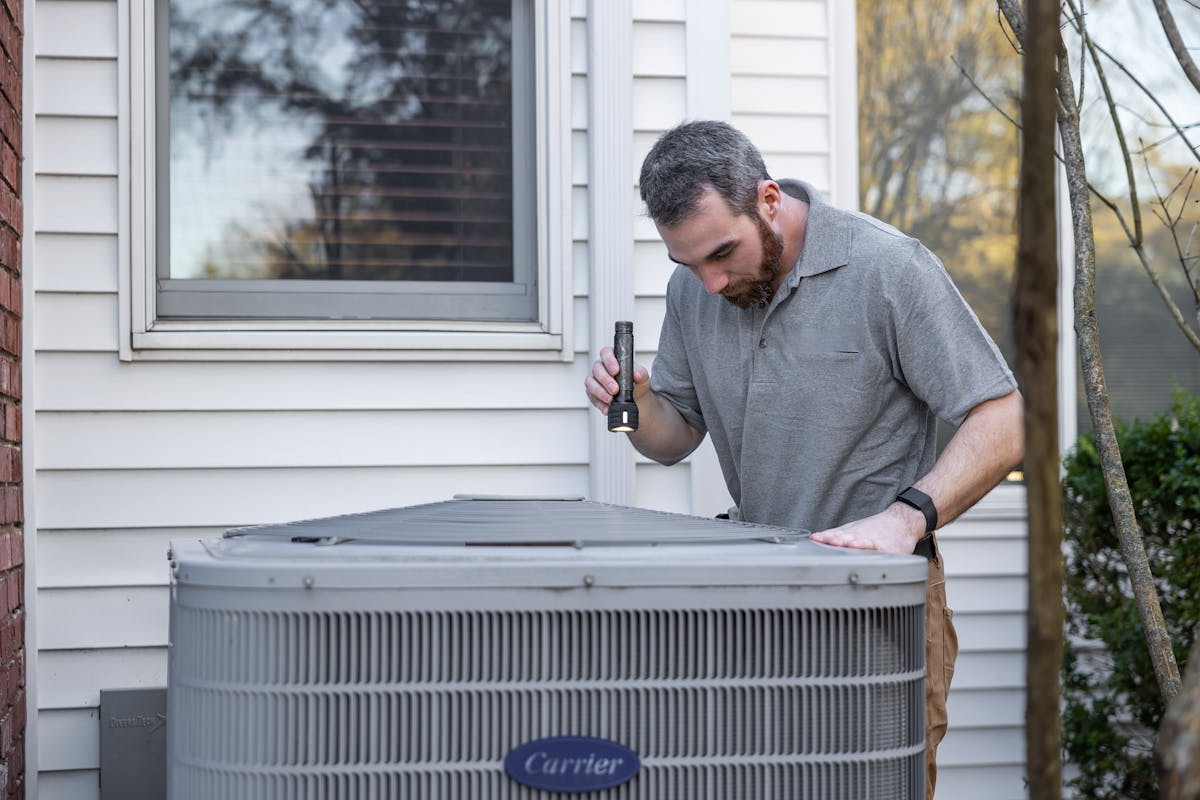
Short answer: Air conditioning issues in Frisco homes usually stem from restricted airflow, electrical component failure, refrigerant leaks, or clogged condensate drain lines. High summer heat places exceptional demand on attic air handlers and outdoor condensers. Homeowners can safely check air filters, thermostat settings, and circuit breakers, but internal electrical testing and refrigerant handling require a technician licensed by the Texas Department of Licensing and Regulation (TDLR).
Identifying AC Symptoms and Possible Causes
When an air conditioner fails to keep a house comfortable, the specific symptom provides clues about the underlying mechanical or electrical issue. If the unit blows warm air, air filter blockage, a tripped outdoor breaker, or a loss of refrigerant can be responsible. Warm air indicates that the blower fan is operating, but heat extraction is not occurring inside the evaporator coil. If the system runs constantly without reaching the set temperature, a dirty outdoor condenser coil, restricted airflow, or an undersized unit can be the culprit. Extended run times can also stem from duct leakage inside unconditioned attic spaces. If the system turns on and off rapidly, a condition known as short-cycling, the cause is often a failing capacitor, an oversized cooling unit, or a severely clogged filter restricting return airflow. Short-cycling prevents proper dehumidification and increases wear on mechanical components. If water pools near the furnace or drips from ceiling vents, the primary condensate line is likely clogged with algae or debris. In multi-story structures, water backup can overflow the secondary drain pan and endanger drywall below.
How Serious Is an AC Breakdown?
An air conditioning failure during periods of elevated heat is more than an inconvenience. Indoor temperatures can climb rapidly, posing health risks to vulnerable family members and pets. Water leaks from attic air handlers present an immediate structural hazard. Overflowing condensate pans can cause ceiling collapse, framing rot, and mold growth inside walls. Mold remediation contractors in Texas must hold credentials through TDLR, making early leak detection crucial. Ignoring unusual grinding, squealing, or humming noises can turn a simple component repair into a complete system replacement. Operating an air conditioner with low refrigerant levels can permanently damage the compressor through overheating and loss of lubrication.
Safe Homeowner Checks and What Not to Touch
Homeowners can safely perform basic visual and external checks before scheduling a professional service call.
- Inspect the thermostat: Ensure it has fresh batteries, is set to cooling mode, and has the target temperature set below the current room reading.
- Check the return air filter: A heavily dust-clogged filter chokes airflow, causes evaporator coils to freeze, and reduces cooling efficiency. Replace dirty filters with clean units rated appropriately for your equipment.
- Check the electrical panel: Inspect the main breaker box and the outdoor disconnect box switch. Reset a tripped breaker once. If the breaker trips a second time, do not reset it again, as this indicates a severe electrical fault.
- Clear the outdoor unit: Ensure plants, grass, and debris are cleared away from the condenser cabinet to allow proper airflow.
Do not open cabinet covers on indoor air handlers or outdoor condenser units. High-voltage capacitors retain dangerous electrical charges even when power is disconnected. Never attempt to add refrigerant, solder copper lines, or manipulate gas connections.
What a Licensed Professional Tests and Repair Options
A licensed air conditioning technician performs precise diagnostic checks to isolate mechanical and electrical faults safely. Technicians use manifold pressure gauges to measure refrigerant charge and calculate superheat or subcooling values. They use digital meters to measure voltage and amperage draw on the compressor, outdoor fan motor, and indoor blower motor. Infrared cameras and temperature probes help evaluate airflow across the evaporator coil. Repair options vary depending on the diagnostic results. Electrical repairs often involve replacing contactors, dual-run capacitors, or defrost control boards. Refrigerant leaks require locating the micro-fracture, repairing or replacing the copper coil, evacuating the lines with a vacuum pump, and recharging the system with the appropriate refrigerant type. Clogged condensate drain lines are cleared using nitrogen flushes or specialized suction equipment.
Repair Versus Replacement and Cost Factors
Deciding whether to repair or replace an air conditioning unit depends on the age of the equipment, the frequency of recent breakdowns, and the severity of the component failure. Major component failures on older units using phased-out refrigerants often warrant replacement over repair. Key factors that drive repair and replacement costs include:
- System capacity and efficiency rating requirements.
- Accessibility of the indoor air handler within tight attic spaces.
- Ductwork condition and the need for sealing or resizing.
- Type of refrigerant required for older versus modern equipment.
- Labor requirements and emergency scheduling needs.
Detailed guidance on budgeting can be found in our overview on What Affects the Cost of HVAC Repair? and our guide on What Affects the Cost of HVAC Replacement?.
Local Environmental Factors in North Texas
Local environmental conditions present unique operational challenges for cooling systems. Most area residences feature indoor air handlers installed inside unconditioned attics. During peak summer months, attic temperatures climb significantly higher than outdoor air temperatures. This extreme environment places heavy thermal stress on electrical components, fan motors, and duct insulation. Expansive clay soil in the region shifts as moisture levels fluctuate between wet spring months and dry summer spells. Soil movement can tilt concrete pads beneath outdoor condenser units, straining copper line sets and causing refrigerant leaks. Homeowners noticing pad movement can consult the Frisco Home Repair & Maintenance Guide for property upkeep context, or review Why Is My Driveway Cracking? to understand local soil behavior. Spring severe weather, including hail, can bend the thin aluminum fins surrounding outdoor condenser coils, blocking airflow and raising operating pressures. Hard water in municipal supplies can also lead to mineral buildup inside drain lines when humid indoor air condenses on cooling coils.
Preventing HVAC Failures
Routine preventive care reduces unexpected operational breakdowns during extreme summer weather. Replace air filters every 30 to 90 days depending on filter thickness, household pet factors, and overall indoor air quality. Keep the area surrounding the outdoor condenser unit cleared of brush, lawn debris, and mulch by at least two feet to ensure unhindered airflow. Schedule twice-annual professional maintenance inspections, ideally in spring for cooling and autumn for heating. Technicians clean coils, test electrical components, flush condensate lines, and check system refrigerant levels before seasonal extremes set in.
Common questions
How often should AC filters be changed?
Standard one-inch filters typically require replacement every 30 days during peak cooling season. Media filters four inches or thicker can last three to six months, depending on home dust levels and pet activity.
Why is my AC condensate drain line dripping outside?
A dripping primary condensate line outside near the ground is normal during cooling. However, water dripping from an overhead soffit pipe indicates the primary line is clogged, and water has filled the secondary drain pan.
Do HVAC technicians need a license in Texas?
Yes. Air conditioning contractors must be licensed through the Texas Department of Licensing and Regulation (TDLR) to legally perform repair, maintenance, or replacement work on residential systems.
What should I do if my outdoor unit freezes over?
Turn the thermostat from cool to off immediately, and switch the fan setting to on to help melt the ice. Do not scrape the ice off manually, as this can damage the aluminum fins and copper tubing. Contact a licensed technician to inspect for airflow restrictions or low refrigerant.