
Plumbing Help in Frisco: Common Problems & What to Do Next
Short answer: Plumbing problems in Frisco usually stem from expansive clay soil movement, mineral scale from hard water, or winter freeze damage to exposed lines. Urgent issues...
By Everyday Home Advice Editorial Team
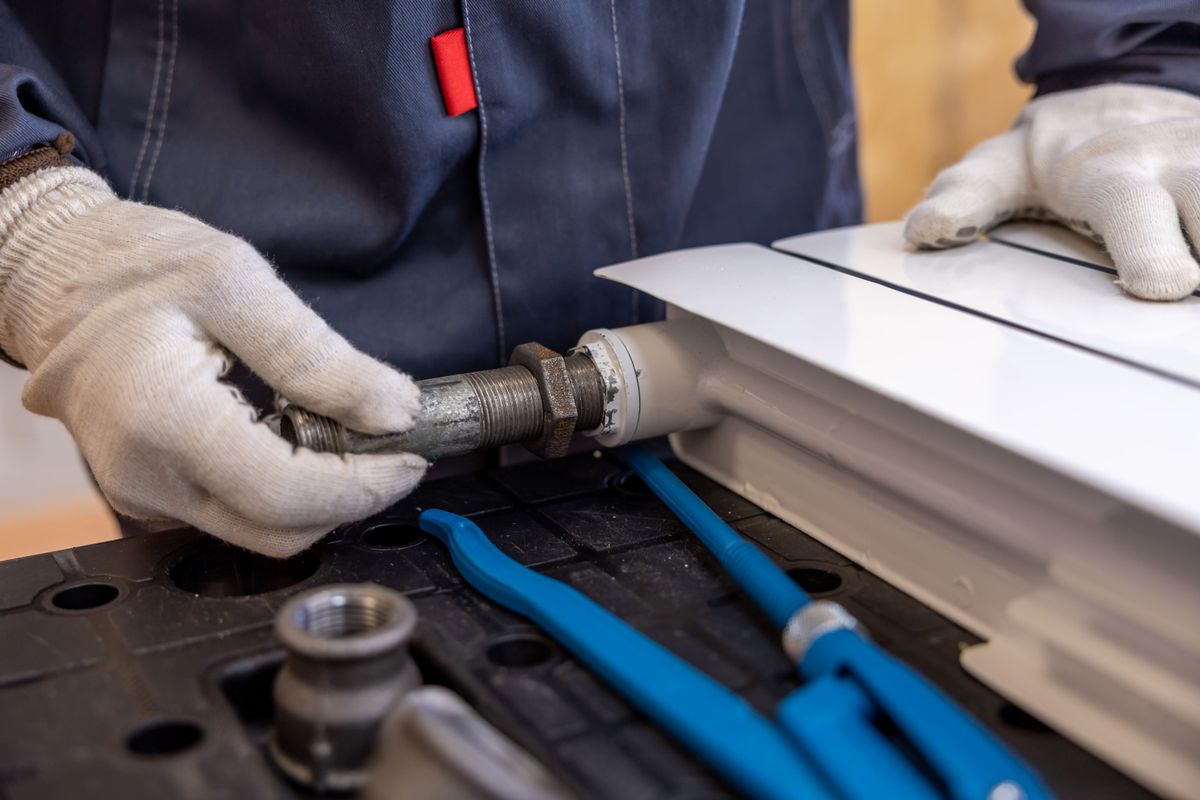
Short answer: Plumbing problems in Frisco usually stem from expansive clay soil movement, mineral scale from hard water, or winter freeze damage to exposed lines. Urgent issues like slab leaks, burst pipes, and leaking attic water heaters require immediate water shutoff at the main valve and professional repairs by a licensed contractor to protect your home's foundation and ceiling structure.
Identifying Common Plumbing Symptoms in Frisco Homes
Recognizing the early signs of a plumbing issue helps prevent extensive water damage and high utility bills. Plumbing symptoms usually fall into three main categories: pressure drops, drainage failures, and active leaks. A sudden drop in water pressure throughout the entire house often points to a main supply line failure or an issue with the home's pressure reducing valve. If low pressure affects only one faucet, the issue is usually localized to a clogged aerator or a worn internal fixture cartridge. Slow drains across multiple fixtures indicate a blockage deep within the main sewer line, whereas a single slow drain usually means an isolated clog near the sink or tub drain trap. Hidden leaks require careful observation. Warm spots on tile or carpeted concrete floors, the sound of running water when all fixtures are off, or an unexplained increase in your monthly water bill often signal a slab leak beneath the foundation. In homes with attic-mounted water heaters, ceiling discoloration or water dripping from high light fixtures signals an overflowing drain pan or tank failure.
Causes of Frisco Plumbing Issues: Soil, Mineral Scale, and Weather
The local environment in North Texas presents distinct challenges to residential plumbing systems. Understanding these factors helps explain why pipes and fixtures fail.
Expansive Clay Soil Shifts
The soil across the area contains high levels of expansive clay. This soil swells significantly when saturated with moisture and shrinks dramatically during hot, dry weather. As the ground shifts beneath a concrete slab foundation, it creates immense physical stress on buried supply pipes and sewer lines. Over time, ground movement can shear drain pipes, loosen fittings, or push lines out of alignment, creating subsurface leaks.
Hard Water and Scale Accumulation
Municipal water supplies in the region carry high dissolved mineral contents, predominantly calcium and magnesium. Hard water creates scale buildup inside supply lines, shutoff valves, and water heaters. Mineral deposits reduce interior pipe diameters, lower water flow, degrade valve seals, and shorten the operating life of water heating equipment.
Temperature Swings and Aging Housing Stock
Winter freeze events bring sudden sub-freezing temperatures that threaten uninsulated pipes running through unconditioned attic spaces or exterior walls. Furthermore, many Frisco homes built during rapid residential growth periods over the past two decades are entering a window where original water heaters, shutoff valves, and expansion tanks reach the end of their service lives.
Assessing Urgency: What Can Wait vs. Immediate Emergencies
Not every plumbing issue requires an emergency service call, but knowing when to act quickly protects your home from costly structural damage.
High-Urgency Plumbing Emergencies
Active water flow that cannot be contained by a local shutoff valve requires immediate attention. Burst supply lines, continuous water discharge from an attic water heater, sewer backups flowing into household fixtures, and confirmed slab leaks fall into this category. If you suspect a gas line leak connected to a tank water heater, evacuate the home immediately and call your gas provider before contacting a plumber.
Moderate and Low-Urgency Situations
Dripping faucets, minor toilet running sounds, slow single-fixture drains, and small water heater mineral knocking sounds can generally be scheduled during standard business hours.
Safe Homeowner Checks and Touch Restrictions
Homeowners can safely clean aerators, inspect visible drain traps under sinks, and verify that emergency shutoff valves turn freely. However, you should never attempt to uncap a pressurized cleanout pipe, open electrical control panels on water heaters, or break concrete to uncover a leaking pipe. Leave gas connections, main line trenching, and pipe rerouting to licensed professionals.
How Licensed Professionals Test and Repair Plumbing Systems
When a technician arrives, they perform diagnostic tests to locate the exact cause of the failure before opening walls or breaking concrete. Plumbers, along with electricians and A/C contractors, are licensed through TDLR to ensure work meets state health, safety, and building standards. Diagnostic procedures typically start with static pressure testing. Technicians isolate supply lines and use gauges to measure pressure drop over time, confirming whether a hidden leak exists. For hidden slab leaks, plumbers use acoustic listening devices, line locators, and thermal imaging cameras to pinpoint pipe breaks through concrete without unnecessary demolition. Sewer lines are evaluated using specialized video cameras pushed through cleanouts to inspect pipe walls for cracks or root intrusions. Repair options vary by location and severity. A slab leak can be repaired by chipping out a localized area of concrete to fix the pipe directly, or by bypassing the damaged underground line entirely with a new line routed overhead through walls and attic spaces. Drain lines may be cleared with mechanical drain augers or repaired by replacing damaged pipe sections.
Repair vs. Replacement and Key Cost Drivers
Deciding whether to repair or replace plumbing components depends on the age of the equipment and the severity of the damage. Water heaters over ten years old that develop tank leaks should be replaced, as internal tank corrosion cannot be safely welded or patched. Minor leaks at external fittings or failed heating elements on newer units warrant straightforward repairs. Overall repair expenses depend on several operational factors rather than a single fixed rate:
- Pipe location: Accessibility dictates labor time; pipes buried under concrete slabs or high in tight attic corners require more labor than open sink cabinets.
- Material requirements: Modern PEX, copper, or heavy-duty schedule PVC pipe materials impact overall material expenses.
- Diagnostics and equipment: Specialized video cameras, acoustic locators, and high-pressure jetting equipment require skilled setup.
- Emergency scheduling: Service calls dispatched after hours or during winter freeze events carry different labor rates than standard appointments.
- Permitting: Main line replacements and water heater installations require local municipal permits and inspections.
Preventing Plumbing Failures in North Texas
Proactive maintenance minimizes the risk of sudden plumbing failures and structural damage. Maintain consistent moisture levels around your home foundation year-round to limit expansive clay soil movement. Running foundation drip irrigation during dry months helps prevent soil shrinkage away from slab edges. Flush water heaters annually to remove accumulated mineral scale from the bottom of the tank. Install a whole-home water softener to reduce hard water scale accumulation inside pipes and appliances. Before winter freeze warnings, insulate exposed outdoor hose bibbs, disconnect garden hoses, and ensure attic supply lines carry adequate foam pipe insulation. Test your main water shutoff valve twice a year so you can operate it quickly during an emergency.
Common Questions
How can I tell if a leak is located under my concrete slab?
Unexplained warm spots on your floor, damp carpet without an overhead source, a constantly running water meter when no fixtures are operating, and sudden spikes in water bills indicate a potential slab leak.
Why are attic water heaters common, and why do they pose risks?
Many regional home designs place water heaters in attic spaces to preserve living floor space. These units face higher risk during severe freezes and can cause extensive ceiling damage if their primary drain pans fail.
What water pressure level should my home have?
Residential water pressure should ideally rest between forty and eighty pounds per square inch. Excessively high pressure strains internal valves, appliance hoses, and pipe joints, increasing the risk of sudden line bursts.
What should I do first if a pipe bursts inside my home?
Immediately turn off the home's main water shutoff valve to stop incoming water flow. Open outdoor hose bibbs to relieve remaining pressure in the lines, then shut off electricity to affected areas before contacting a licensed plumber.