
Roofing Help in Frisco: Leaks, Storm Damage & Repair Decisions
Short answer: Roof damage in Frisco requires prompt action to prevent structural moisture damage in high attic temperatures. Inspect your roof safely from ground level or...
By Everyday Home Advice Editorial Team
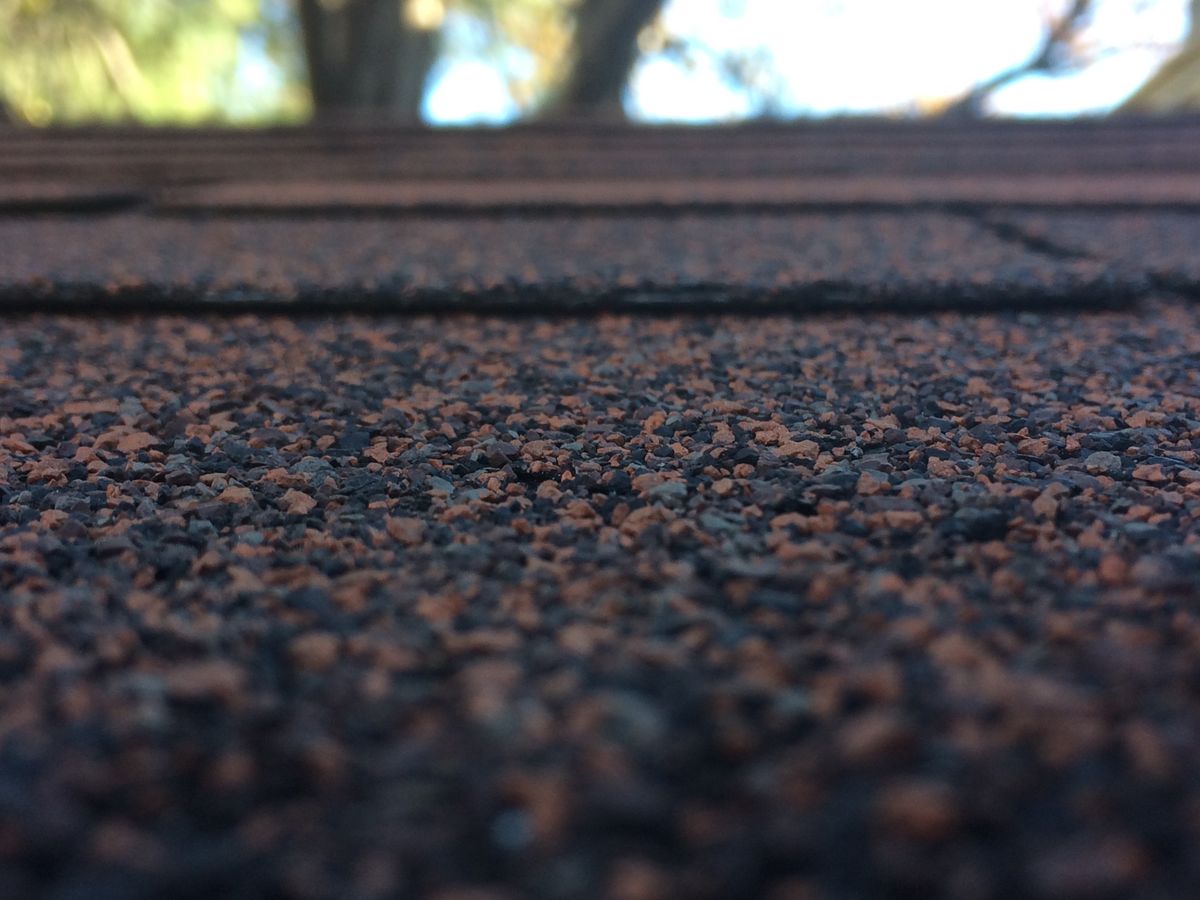
Short answer: Roof damage in Frisco requires prompt action to prevent structural moisture damage in high attic temperatures. Inspect your roof safely from ground level or within your attic, identify whether wind, hail, or heat exposure is the primary cause, and determine whether localized shingle repairs or a complete roof replacement is necessary before interior leaks compromise your ceiling drywall, insulation, or framing.
Identifying Roof Damage and Common Causes
Roofing damage in North Texas typically presents as missing shingle tabs, granule accumulation in gutters, raised edges, or water stains on interior ceilings. Identifying the root cause helps determine the appropriate scope of repair.
Wind Lift and Storm Blow-Offs
Severe thunderstorm gusts can lift the edges of asphalt shingles, breaking their factory sealant strips. Once unsealed, subsequent wind forces pull shingle tabs completely off the roof deck, exposing the underlying underlayment and plywood decking directly to rain.
Hail Impact Damage
Hail strikes dislodge protective mineral granules from the asphalt surface, exposing the underlying fiberglass matting to ultraviolet radiation. Over time, sunlight breaks down the bare asphalt, causing it to crack, leak, and fail prematurely. Hail damage often appears as soft, bruised spots on shingles or dented metal ridge vents and flashing.
Thermal Degradation and Aging
Prolonged exposure to intense solar heat bakes roofing materials. Extreme surface temperatures cause asphalt shingles to dry out, lose flexibility, and curl upward at the edges. Granules gradually shed into gutters as the asphalt binder degrades, leaving shingles vulnerable to water penetration.
Safe Homeowner Inspections and Safety Limits
Homeowners can safely monitor roof condition without climbing onto steep or elevated surfaces. Performing routine visual checks keeps you aware of developing problems while avoiding significant fall hazards.
Safe Visual Checks
Inspect your roof from ground level using binoculars after severe weather. Look for uneven shingle lines, bare spots, bent metal flashing, or displaced ridge caps. Inside the house, check your attic space using a bright flashlight. Search for dark water stains on rafters, wet insulation, or daylight shining through roof boards.
Safety Hazards and What Not to Touch
Never walk on a wet, steep, or storm-damaged roof. Wet shingles and loose mineral granules create severe slipping hazards. Avoid touching electrical service mast connections where power lines enter the roof structure. If a fallen tree branch rests on your roof, keep away from the area until a professional evaluates structural stability.
How Roof Leaks Impact Frisco Homes
Unaddressed roof leaks can rapidly turn a minor repair into an extensive home restoration. In North Texas, intense attic heat combined with trapped moisture accelerates structural rot and material degradation. Water entering through compromised shingles saturates attic insulation, reducing its energy efficiency. Soaked drywall ceilings can swell, sag, and eventually collapse into living spaces. Persistent moisture also rots plywood roof decking and ceiling joists, weakening the structural framework of the house. In humid attic spaces, hidden moisture creates ideal conditions for organic growth across wood structural components.
Professional Roof Inspections and Testing
A thorough professional inspection goes beyond a basic visual surface check. Experienced roofing technicians evaluate structural integrity, sealant longevity, and moisture migration paths. Professionals test for soft spots in plywood decking, inspect chimney and wall flashing seals, check roof-penetration boots around plumbing vents, and evaluate attic intake and exhaust ventilation. They may use moisture meters or infrared thermal imaging cameras to identify trapped water beneath shingles or underlayment that is not visible from the surface. Unlike A/C contractors, plumbers, mold remediators, or electricians who must hold statewide licenses through the Texas Department of Licensing and Regulation (TDLR), general roofing contractors are not licensed at the state level in Texas. Homeowners should verify that roofing contractors carry adequate liability insurance, possess valid municipal contractor registrations, and hold manufacturer certifications.
Repair Versus Replacement Decisions
Deciding between localized repairs and complete roof replacement depends on the age of the roofing system, the extent of damage, and overall structural condition.
When Repair Is Appropriate
Localized repairs are ideal for younger roofs with isolated damage. If a recent storm detached a few shingle tabs or damaged a single plumbing vent boot, a technician can replace the damaged materials and restore the water seal without replacing the entire roof system.
When Replacement Is Required
Full roof replacement is necessary when damage is widespread across multiple roof slopes or when the roofing material reaches the end of its functional life. Widespread hail bruising, extensive granule loss, multiple layers of old shingles, or decayed decking material indicate that localized patches will no longer provide reliable protection.
Factors That Drive Roof Repair and Replacement Costs
Several physical and structural factors dictate the scope and cost of roofing projects, regardless of whether you are repairing a leak or installing a complete system. Key cost drivers include:
- Roof Pitch and Slope: Steeper roofs require specialized rigging, harness safety systems, and additional labor hours to navigate safely.
- Roof Height and Accessibility: Multi-story homes require extra material handling, taller ladder setups, and additional safety protocols.
- Total Square Footage and Complexity: Roofs with multiple gables, dormers, valleys, and skylights require more waste factor materials and detail flashing work.
- Decking Damage: If underlying plywood or OSB decking has dry rot or water saturation, old sheets must be torn out and replaced before installing new underlayment.
- Material Selection: Architectural shingles, synthetic slate, or standing seam metal vary significantly in manufacturing costs and installation labor.
Frisco Weather and Long-Term Prevention
Frisco homes face distinct environmental stressors that accelerate roofing wear. Expansive clay soil shifts can alter foundation settlement, causing minor structural movement that tugs on roof flashings around chimneys and exterior wall joints. Severe spring hail storms drop dense ice pellets that strike roof slopes directly. Intense summer sun creates extreme attic heat that bakes shingles from above and below if soffit and ridge vents are obstructed. Winter freezes can force water into microscopic roof cracks, where expansion causes flashing separation or shingle lifting. Preventative steps include:
- Keep tree branches trimmed back at least six feet from roof lines to prevent physical scraping and gutter blockage.
- Maintain clean gutters and downspouts to prevent water from backing up under edge shingles.
- Ensure attic soffit vents and ridge vents remain clear of insulation obstructions to maintain balanced attic airflow and lower surface temperatures.
- Schedule visual roof inspections every spring and autumn to identify loose flashings or sealant breakdown before severe weather strikes.
Common questions
How do I know if hail damaged my roof if I cannot see missing shingles?
Hail damage usually creates round, dark depressions where mineral granules were dislodged rather than knocking whole shingles off. You can often spot hail impacts by checking aluminum gutters, downspouts, metal roof vents, or outdoor air conditioner fins for small dents after a storm.
How long does a standard asphalt shingle roof last in North Texas?
An asphalt shingle roof typically lasts between fifteen and twenty years in North Texas. Severe weather events, intense sun exposure, and inadequate attic ventilation can shorten this lifespan significantly.
Can I install new shingles directly over my old shingle roof?
Installing new shingles over old ones is generally discouraged. Adding a second layer traps excess heat, reduces the wind resistance of the new shingles, and prevents inspectors from assessing damaged or rotted plywood decking underneath.
What should I do immediately after noticing an active roof leak?
Place a container under the drip to catch incoming water and lay towels down to protect flooring. If ceiling drywall is bulging or holding pooling water, carefully pierce the center of the bulge with a small screwdriver to relieve water weight and prevent a wide ceiling collapse. Contact a professional immediately.