
HVAC Help in McKinney: AC Problems, Repairs & Next Steps
Short answer: Air conditioner issues in McKinney typically result from airflow restrictions or refrigeration circuit failures. Homeowners can safely check thermostats, clear...
By Everyday Home Advice Editorial Team
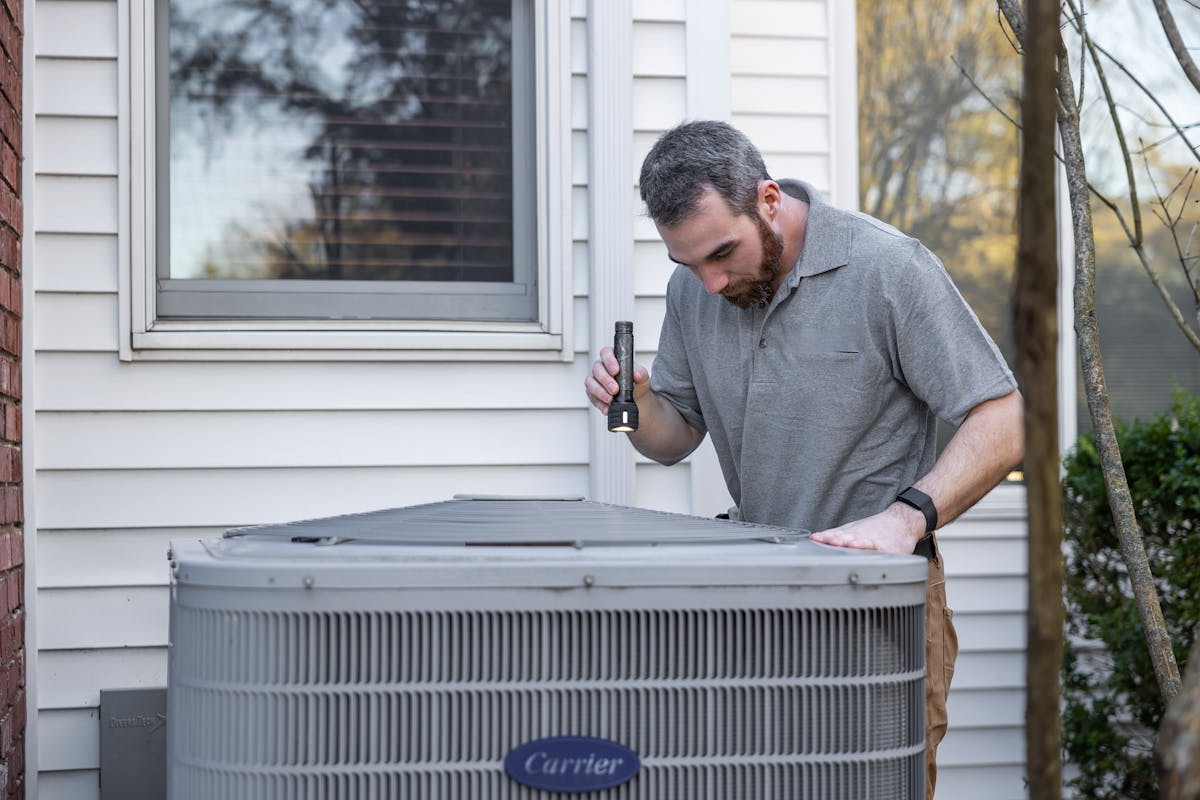
Short answer: Air conditioner issues in McKinney typically result from airflow restrictions or refrigeration circuit failures. Homeowners can safely check thermostats, clear outdoor cabinet debris, and inspect air filters, but electrical diagnostics, refrigerant handling, and internal ductwork repairs require a TDLR-licensed air conditioning contractor. Early troubleshooting prevents compressor failure, ceiling water damage, and excessive energy usage during hot weather.
Identifying AC Symptoms and Causes in McKinney
Warm air from supply vents and weak airflow across rooms indicate distinct mechanical issues. Distinguishing between them helps identify whether the problem lies in heat exchange or air distribution. Warm air blowing from vents often stems from outdoor condenser unit failures. A failed run capacitor, a tripped circuit breaker, low refrigerant levels, or a damaged compressor can prevent the cooling cycle from operating while the indoor blower fan continues to run. Weak airflow usually points to a blockage or breach between the air handler and the room vents. Dirty air filters, disconnected ductwork in the attic, frozen evaporator coils, or a failing blower motor often restrict air circulation. Ice accumulation on copper line sets or indoor coils occurs when airflow is blocked or refrigerant levels drop too low. When the coil temperature drops below freezing, ambient humidity turns to frost and builds into solid ice. Continuous operation often happens during intense summer conditions when the cooling system struggles due to dirty coils, improper refrigerant charge, or duct leaks in unconditioned spaces. Musty odors from vents point to microbial growth on dirty evaporator coils or standing water in clogged condensate drain pans.
Severity and Risks of Cooling Failures
A malfunctioning air conditioner in Collin County can rapidly elevate indoor temperatures and indoor humidity, leading to uncomfortable living conditions and potential property damage. A primary risk associated with HVAC failure involves water damage. Most air handlers are located in attic spaces. When an evaporator coil thaws or a primary drain line becomes clogged with algae and dirt, condensate water can overflow the primary pan. If the secondary pan or float switch fails, water leaks through the ceiling drywall, damaging insulation, framing, and interior finishes. Operating an air conditioner with electrical or refrigerant faults risks severe mechanical damage. A compressor running with low refrigerant or a faulty capacitor operates at elevated temperatures, which can permanently burn out the compressor motor.
Safe Homeowner Checks vs. What Not to Touch
Homeowners can perform basic troubleshooting steps safely before calling for professional service. Safe homeowner checks include:
- Verifying thermostat settings to ensure the system is set to cool and the setpoint is below current room temperature.
- Inspecting and replacing clogged air filters to restore unrestricted airflow.
- Checking electrical breaker panels for tripped switches serving the indoor and outdoor units.
- Clearing vegetation, leaves, and debris around the outdoor condenser cabinet to maintain proper airflow across the condensing coil.
What not to touch:
- High-voltage electrical components inside the outdoor unit disconnect box or electrical access panel. Run capacitors store electrical charges even after power is disconnected.
- Refrigerant lines and service valves. Handling refrigerant requires federal certification and specialized equipment.
- Frozen indoor components. Do not attempt to scrape ice off copper lines or heat the coil manually. Switch the system to fan-only mode to thaw the ice naturally before service.
Professional HVAC Diagnostics and Repairs
When basic checks do not resolve the issue, a professional technician performs comprehensive electrical and refrigeration diagnostics. In Texas, air conditioning contractors must hold a license through the Texas Department of Licensing and Regulation (TDLR). General contractors are not licensed statewide. A qualified technician conducts specific tests to isolate mechanical failures:
- Electrical testing: Measuring voltage, current draw, and microfarad ratings across capacitors, contactors, fan motors, and compressors.
- Refrigerant analysis: Attaching digital gauge manifolds to measure subcooling and superheat levels, confirming whether the system has a leak or restriction.
- Airflow and pressure checks: Measuring static pressure across the air handler and duct system to locate restrictions or sizing issues.
- Drain line inspection: Clearing primary condensate drain lines using pressurized air or vacuum tools and inspecting emergency float switches.
Common repair options include replacing faulty capacitors or contactors, fixing refrigerant leaks, clearing condensate lines, replacing fan motors, or resealing loose attic duct joints.
Repair Versus Replace and Cost Factors
Deciding whether to repair or replace a system depends on equipment age, overall reliability, and the nature of the mechanical failure. Systems approaching the end of their operational lifespan with severe issues like a failed compressor or leaked evaporator coil often warrant full system replacement rather than high-cost component repair. Key factors that drive HVAC repair costs include:
- Component complexity: Replacing a capacitor or contactor requires less labor and lower material costs than replacing a compressor or blower motor.
- Refrigerant type: Older systems using phased-out refrigerants incur higher material costs for leak repairs and recharges compared to modern systems.
- Attic accessibility: Systems situated in tight or difficult-to-reach attic spaces demand additional labor time for replacement or repair.
- Warranty status: Component coverage under manufacturer warranties reduces material expenses, leaving only labor costs.
North Texas Climate and Home Construction Factors
McKinney homes present specific environmental and structural conditions that impact air conditioning systems. High summer heat subjects HVAC equipment to extended run cycles. Outdoor units must constantly reject heat in high ambient temperatures, accelerating wear on electrical contactors, capacitors, and fan motors. Most residential construction features split systems with air handlers installed in unconditioned attic spaces. Attic temperatures can far exceed outdoor temperatures during peak summer, placing high thermal stress on duct insulation and return air plenums. Any duct leak in the attic draws hot air directly into the air stream, reducing overall cooling efficiency. Expansive clay soils move seasonally as moisture levels change. Foundation movement can subtly shift outdoor concrete pads, placing strain on copper refrigerant line sets and electrical connections connected to the house. Spring hail storms can bend outdoor condenser fins, obstructing airflow through the coil and forcing the system to run hotter. Additionally, winter freeze events require functional heat strips or proper heat pump defrost cycles to ensure reliable winter performance.
Common questions
Why is my AC blowing warm air when the outdoor fan is running?
The outdoor fan motor can run even if the compressor is off. A failed capacitor, a tripped internal overload switch, or low refrigerant pressure can prevent the compressor from operating while the fan spins.
How often should air filters be replaced in McKinney?
Standard air filters generally require replacement every one to three months. Homes with pets, higher dust levels, or family members with allergies often require monthly filter changes during peak summer usage.
Who licenses HVAC technicians in Texas?
Air conditioning contractors in Texas are licensed through the Texas Department of Licensing and Regulation (TDLR). General contractors do not hold statewide licensing in Texas.
Can a dirty air filter cause the AC to freeze?
Yes. Restricted airflow prevents heat from transferring from indoor air to the refrigerant inside the coil. This drops the coil temperature below freezing, causing condensation on the coil to freeze into ice.