
HVAC Help in Plano: AC Problems, Repairs & Next Steps
Short answer: Uneven temperatures, warm air blowing from vents, or continuous running indicate airflow restrictions, low refrigerant, failing electrical components, or duct...
By Everyday Home Advice Editorial Team
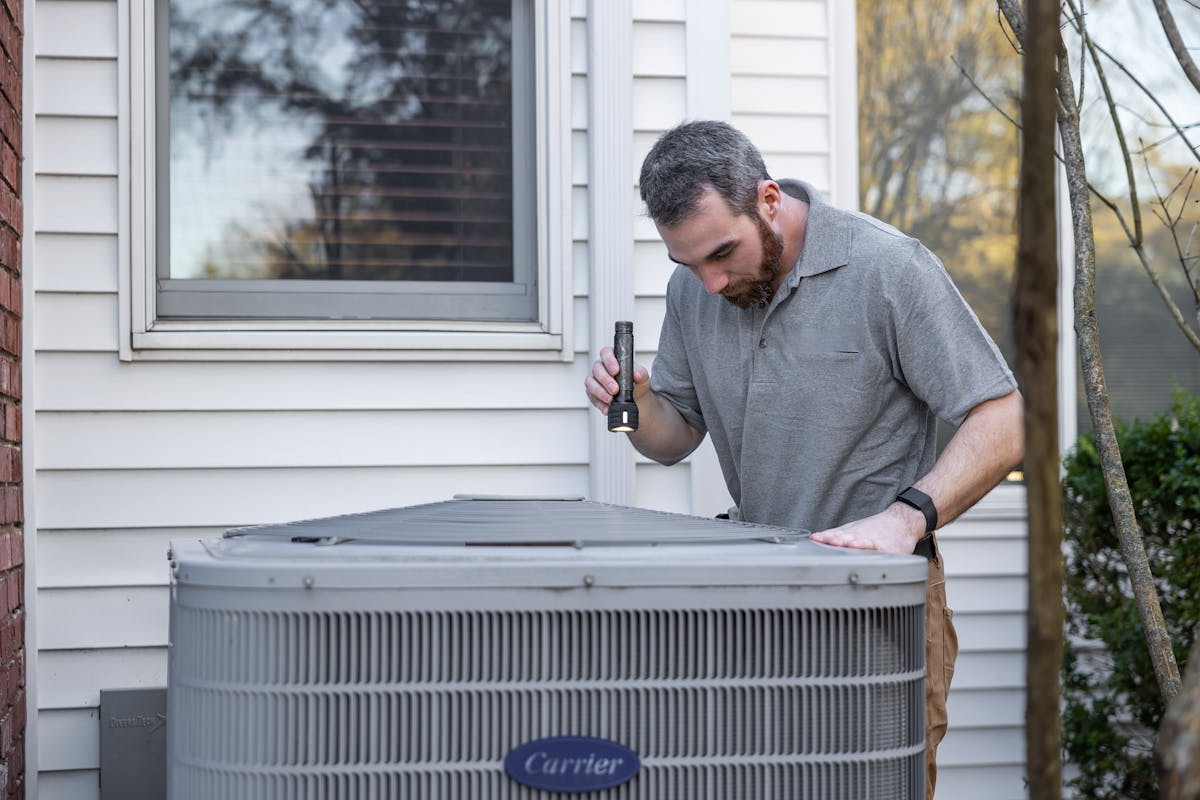
Short answer: Uneven temperatures, warm air blowing from vents, or continuous running indicate airflow restrictions, low refrigerant, failing electrical components, or duct leaks. In Plano, high summer cooling loads and intense attic heat magnify these issues. Homeowners should perform basic checks like replacing dirty air filters and clearing outdoor units, but complex repairs and electrical work require a contractor licensed through the Texas Department of Licensing and Regulation (TDLR).
Recognizing HVAC Symptoms and Causes
Uneven room temperatures, constant operation, and warm supply air signal distinct issues within your cooling system. Knowing how symptoms map to underlying causes helps determine whether a problem requires a simple filter change or professional service.
Uneven Cooling Across Rooms
When one room stays hot while others cool down, blocked registers or unbalanced dampers are frequent culprits. Ductwork leaks or disconnected flex ducts in the attic also allow conditioned air to escape before reaching distant bedrooms.
Warm Air or Constant Running
If supply vents blow warm air or the unit runs endlessly without dropping indoor temperatures, refrigerant leaks or clogged evaporator coils are often responsible. Clogged air filters limit airflow across the coil, causing the system to freeze up into a solid block of ice.
Short Cycling
A system that turns on and off rapidly every few minutes usually suffers from a failing thermostat, an oversized equipment installation, or overheating compressor components. Short cycling increases wear on motor windings and electrical contactors.
North Texas Conditions That Impact Plano HVAC Systems
Plano homes face localized environmental and structural factors that place unique demands on residential cooling systems. In North Texas, air handlers and duct networks are frequently installed in unconditioned attic spaces. During summer heatwaves, attic temperatures routinely soar far above outdoor ambient levels. Heat radiating into uninsulated or aging flex ducts forces the air conditioner to work significantly harder to drop supply air temperatures. Expansive clay soil across Collin County expands and contracts as moisture levels change. Soil movement beneath slab foundations can subtly shift structural framing, pulling flexible ductwork apart at mechanical joints or pinching duct runs inside wall cavities. Severe weather also threatens system performance. Spring hail storms compress thin aluminum fins on outdoor condenser coils, restricting airflow across the outdoor heat exchanger. Winter freeze events can freeze residual moisture in uninsulated condensate drain lines running through soffits or exterior walls.
Safe Homeowner Checks and Safety Limits
Homeowners can safely perform basic troubleshooting before calling a service technician. These checks prevent unnecessary service calls and protect the system from avoidable strain.
Safe DIY Steps
Check thermostat settings to verify the system is set to cool and the fan is set to auto. Inspect air filters at return grilles or the indoor unit cabinet. Replace dark, dusty, or clogged filters immediately. Ensure supply registers and return air vents are fully open and unblocked by furniture or drapes. Inspect the outdoor condenser unit. Remove leaves, grass clippings, and brush within two feet of the metal coil cabinet. * Flush the primary condensate drain line with vinegar if water accumulates in the emergency drain pan beneath the attic unit.
Components You Should Never Touch
Do not open high-voltage electrical panels on either indoor or outdoor units. Capacitors store dangerous levels of electrical charge even when the main breaker is turned off. Never attempt to service refrigerant lines, valves, or coils. Federal regulations and state law require specialized certification and licensing through the Texas Department of Licensing and Regulation (TDLR) to handle chemical refrigerants.
Professional Testing and Diagnostic Procedures
When basic checks do not resolve the issue, a TDLR-licensed air conditioning contractor carries specialized diagnostic equipment to locate mechanical and electrical faults. A technician measures electrical draw on the compressor and fan motors using a digital clamp meter, checking amps against factory specifications. They evaluate dual-run capacitors to ensure startup voltage is sufficient. To evaluate cooling efficiency, the technician attaches digital manifold gauges to check refrigerant pressures, subcooling, and superheat levels. They also use static pressure probes inside ductwork to measure total external static pressure, identifying airflow bottlenecks caused by undersized ducts or dirty indoor evaporator coils.
Repair Options, Sizing, and System Replacement
Deciding whether to repair an existing system or invest in a full replacement depends on equipment age, system capacity, and the nature of the failure. Minor repairs like replacing contactors, capacitors, fan motors, or clear drain lines restore performance quickly. However, major component failures on aging systems using phased-out refrigerants often favor system replacement.
Repair Considerations
Replacement of failed electrical contactors or run capacitors. Sealing accessible attic duct leaks with mastic sealant or replacing torn flexible ducting. * Repairing minor refrigerant leaks and recharging the system balance.
Replacement Considerations
Compounding repairs on units approaching or exceeding their typical operational lifespan. Major compressor failure or severe coil corrosion. * Inadequate cooling capacity caused by improper original equipment sizing for the home's square footage and window orientation.
Key Drivers of HVAC Repair and Replacement Costs
HVAC service expenses vary depending on several technical and structural variables rather than simple fixed rates. Equipment capacity drives replacement equipment costs, as larger homes require higher tonnage systems to manage summer heat loads. Accessibility plays a major role in labor costs, particularly when technicians must work inside hot, tight attic spaces or repair ductwork stretched across narrow crawl spaces. Refrigerant type also influences repair expenses. Older systems using phased-out compounds incur higher supply costs for leak recharges compared to modern systems using current standards. Additionally, retrofitting older ductwork to handle modern airflow requirements adds to overall project scope.
Common questions
Should I close vents in unused rooms to save energy?
No. Closing supply vents increases static pressure inside your ductwork. Higher pressure forces air leaks through duct joints and causes the indoor blower motor to work harder, reducing efficiency and potentially freezing the evaporator coil.
Why is water dripping from my soffit pipe outside?
Water dripping from an exterior soffit pipe indicates that your primary condensate line is clogged. The water has filled the primary drain pan and redirected into the emergency overflow pan, which drains outside to alert you to a blockage.
How often should I change air filters in Plano?
Air filters should generally be inspected monthly and replaced every one to three months. Homes with pets or high dust levels during dry North Texas weather conditions require more frequent filter changes.
Does a general contractor need a license to fix my AC in Texas?
General contractors are not licensed by the state of Texas, but anyone performing HVAC diagnosis, repair, or installation must hold an active air conditioning contractor license through the Texas Department of Licensing and Regulation (TDLR). What Affects the Cost of HVAC Repair? What Affects the Cost of HVAC Replacement? Dallas Home Repair & Maintenance Guide Frisco Home Repair & Maintenance Guide * Fort Worth Home Repair & Maintenance Guide