
What Is Scratching in My Attic?
Short answer: Scratching in an attic usually indicates that rodents, squirrels, raccoons, opossums, or birds have entered the space above your ceiling. The timing, volume, and...
By Everyday Home Advice Editorial Team
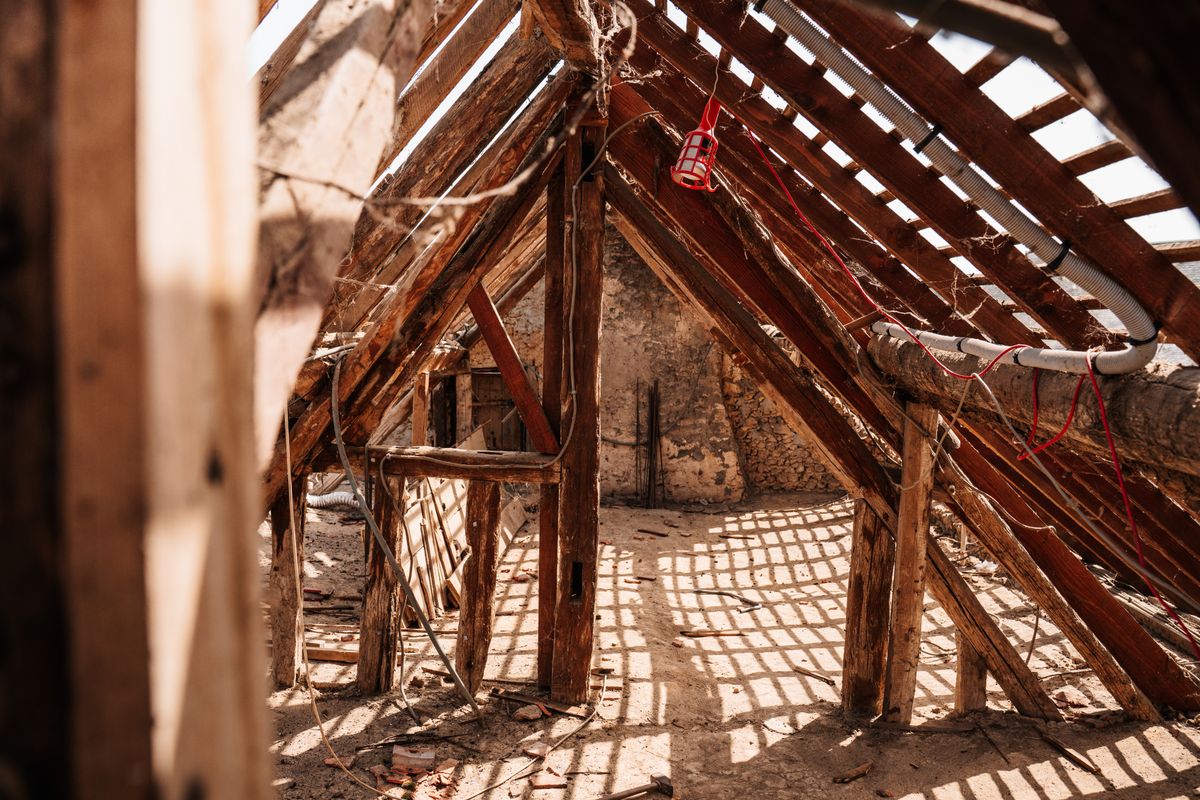
Short answer: Scratching in an attic usually indicates that rodents, squirrels, raccoons, opossums, or birds have entered the space above your ceiling. The timing, volume, and location of the noises help identify the animal. Lightweight daytime scampering points to squirrels, while nocturnal thumping or scurrying suggests raccoons, opossums, or roof rats. Quick action prevents damaged insulation, chewed wiring, torn ductwork, and health hazards from droppings.
Identifying Attic Sounds by Timing and Behavior
Noises inside an attic usually follow specific patterns based on the habits of the pest involved. Light, rapid scurrying during early morning and late afternoon hours often points to tree squirrels. Squirrels are active during the day and return to their nests at dusk. Rapid, light scratching, clawing, or scampering at night signals nocturnal rodents such as roof rats or mice. These pests move along ceiling joists, wall cavities, and framing top plates while searching for food. Heavy thumping, slow shuffling, or loud dragging sounds at night indicate larger mammals, such as raccoons or opossums. Raccoons can also make chattering or purring noises, especially when mothers are nursing offspring. Steady ticking, faint buzzing, or localized rustling near soffits or gable vents can mean flying insects. Wasps, yellowjackets, or hornets often build nests inside attic eaves, while wood-boring insects can produce faint clicking sounds inside structural timbers.
How Pest Invaders Access the Attic
Animals enter attics through structural gaps, damaged roof components, and unsealed vents. Roof rats and mice can squeeze through gaps as small as a quarter of an inch. They enter near fascia boards, roof valleys, pipe penetrations, and soffit gaps. Once inside, they use insulation for nesting material and travel along structural framing. Squirrels use strong teeth to enlarge existing holes in wooden fascia, wood siding, or plastic attic vents. Overhanging tree branches give them easy access to the roofline. Raccoons use their strength to tear open aluminum soffit panels, loose roof shingles, and screen covers on gable vents. They frequently target structural trim weakened by weather. Opossums usually enter low-lying gaps or follow entry pathways opened by larger animals. They often seek shelter near the floor of the attic or close to thick insulation layers.
Hazards to Electrical Wiring, HVAC Systems, and Health
An active infestation creates structural, fire, and health hazards inside the home. Rodents must constantly gnaw to wear down their teeth. When they chew through plastic insulation on electrical wiring, they expose bare copper, creating a serious fire hazard. If you suspect chewed wiring, have the circuits inspected by an electrician licensed through TDLR. Attic animals frequently tear into flexible HVAC ductwork to build nests or seek cooler air. Damaged flex ducts allow conditioned air to escape into the attic, lowering heating and cooling efficiency. They also pull attic dust, insulation fibers, and animal dander directly into the living space. Major duct repairs or replacements require an A/C contractor licensed through TDLR. Biological waste is another serious concern. Urine and droppings saturate ceiling insulation and drywall, causing persistent odors and structural staining. Accumulations of waste can harbor bacteria, parasites, and airborne fungal spores.
Safe Inspection Guidelines and What to Avoid
Homeowners can perform initial safety checks without entering deep into the attic space. Observe the attic from the access hatch using a strong flashlight. Look for flattened insulation trails, chewed duct foil, torn intake boots, or visible droppings. Inspect the exterior roofline from the ground using binoculars. Check soffit seams, gable vent screens, ridge caps, and chimney flashing for signs of gnawing, bent metal, or missing screen mesh. Safety limits are critical during any initial check: Wear an N95 respirator, safety glasses, and heavy gloves when opening an attic access panel. Do not attempt to handle, catch, or corner live animals. Cornered raccoons, opossums, or squirrels can bite or scratch when threatened. Do not touch or vacuum droppings directly without proper protective gear, as disturbing dry waste releases airborne particles. Do not touch exposed or damaged electrical wiring. * Do not reach into dark spaces, insulation pockets, or soffit cavities where young animals might be hidden.
Professional Remediation and Trapping Options
Effective remediation combines humane removal, structural repair, and sanitation. Wildlife professionals conduct complete roof and interior inspections to locate all active and potential entry points. For squirrels and rodents, technicians often install one-way exclusion doors. These devices allow animals to exit to forage but block them from re-entering. For larger animals like raccoons or opossums, live trapping may be necessary. Once the animals are removed, technicians seal all entry gaps with heavy-gauge galvanized steel hardware cloth, metal flashing, and exterior-grade sealants. General contractors or wildlife exclusion technicians complete structural trim repairs, as general contracting work does not require a statewide license in Texas. Soiled insulation must be removed, the area disinfected with antimicrobial treatments, and fresh insulation installed. If mold growth occurs due to long-term moisture or urine saturation, remediation must follow state guidelines, where mold remediation contractors are licensed through TDLR.
Factors That Influence Remediation Costs
Several variable factors determine the overall cost of resolving an attic infestation: Animal type and population size: Trapping a single opossum requires less labor than managing an established rodent infestation. Extent of structural exclusion: Sealing a single soffit gap is less complex than retrofitting multiple roof valleys, ridge vents, and gable louvers with custom metal screening. Insulation damage and sanitation: Spot-cleaning minor nesting areas costs far less than a full insulation removal, disinfection, and re-blowing. Trade repairs: Fixing damaged electrical wiring or replacing ruined flexible duct runs requires licensed tradespeople. * Accessibility and roof pitch: Steep rooflines, multi-story homes, and tight attic clearance increase the labor required to complete repairs safely.
North Texas Attic Conditions and Seasonal Patterns
North Texas homes face specific environmental factors that encourage attic infestations. Expansive clay soil moves significantly as moisture levels change throughout the year. Soil expansion during wet periods and shrinkage during dry spells causes foundation settlement, which shifts building framing. This movement can open subtle gaps along soffits, fascia boards, roof joins, and frieze boards, giving pests an invitation inside. Mature oak and pecan trees common to local neighborhoods drop nuts and provide natural elevated pathways. Branches that touch or hang close to rooflines allow squirrels and roof rats to bypass ground-level obstacles. Attic environmental conditions also drive pest behavior. Intense summer attic heat pushes animals down toward soffit vents or deep into thick ceiling insulation where temperatures are cooler. Attic-mounted air handlers generate condensation inside drip pans, providing a steady water source for nesting pests during dry spells. In winter, sharp freeze events push rodents indoors seeking warm insulation surrounding heat runs.
Common questions
Q: Can I seal the entry hole while the animal is still inside? No. Sealing an entry hole while pests are inside traps them. Trapped animals will chew through drywall or ductwork to escape, or they will die inside ceiling cavities, creating severe odor and insect issues. Q: Why do I hear scratching near my air handler? Air handlers produce condensation in their drip pans during warm weather, creating an accessible water source. Rodents and insects gather near the unit to drink and nest in nearby duct insulation. Q: How can I tell if the sound is a rodent or a squirrel? Timing is the clearest indicator. Squirrels are active during daylight, early morning, and late afternoon. Rats and mice are active at night. Squirrel sounds tend to be faster and louder than mouse activity but lighter than raccoon movement. Q: Should I replace my attic insulation after pests are removed? If insulation is contaminated with urine, feces, or nesting debris, replacement is recommended. Damaged insulation loses thermal resistance and can trap odors and airborne contaminants that compromise indoor air quality.