
Why Do Ants Keep Coming Back After I Clean Them Up?
Short answer: Cleaning wipes away visible foraging ants, but it fails to eliminate the hidden queen, the main colony, or the invisible chemical trails leading into your home....
By Everyday Home Advice Editorial Team
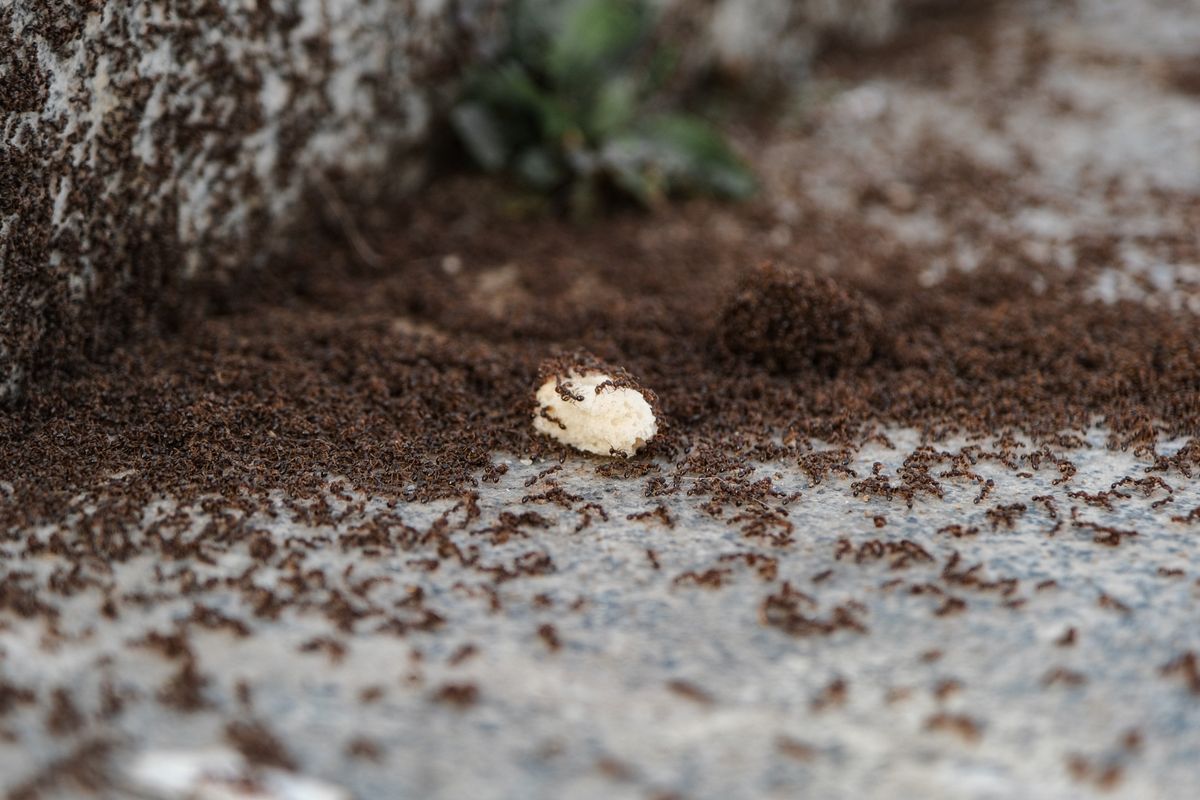
Short answer: Cleaning wipes away visible foraging ants, but it fails to eliminate the hidden queen, the main colony, or the invisible chemical trails leading into your home. Common household cleaners often smear pheromone paths or cause disturbed colonies to split into multiple sub-colonies. Lasting control requires identifying entry points, using slow-acting baits, and addressing underlying moisture and structural gaps.
Why Surface Cleaning Fails to Stop Ant Invasions
Wiping down a kitchen counter or spraying a household surface cleaner kills only the scout ants you see. These foraging workers represent a small fraction of the total colony. The queen and the rest of the nest remain hidden safely inside wall voids, beneath concrete slabs, or underground outdoors. Ants navigate using invisible chemical scents called trail pheromones. When a scout finds food or water, it deposits a pheromone trail on its return journey to direct other workers. Simple cleaning often smears these chemical lines across a wider area rather than fully neutralizing them. Additionally, using harsh repellent sprays can trigger defensive behavior known as budding. Certain ant species respond to perceived threats by splitting a single colony into multiple independent nests, compounding the problem throughout the home.
Identifying Ant Species and Entry Symptoms
Effective eradication depends on recognizing the specific ant species and understanding its habits. Different ants target different resources and require distinct management strategies.
Ant Types Found Indoors
Small sugar ants and odorous house ants seek out sweets, grease, and standing water. When crushed, odorous house ants emit a distinct rotten fruit scent. Carpenter ants are larger and prefer damp, decaying wood. They do not eat wood, but they hollow it out to build galleries, leaving behind tiny piles of coarse wood shavings known as frass near baseboards or attic timbers. Fire ants build raised soil mounds outdoors and enter homes through low foundation openings. Acrobat ants raise their heart-shaped abdomens when disturbed and frequently nest in high-moisture areas near leaking roofs or window frames.
Health Risks and Property Damage Severity
While many ant species are primarily a nuisance, unmanaged infestations can cause structural damage, electrical failures, and hygiene issues. Carpenter ants chew through moist structural framing, compromising wall studs, subfloors, and roof trusses over time. Fire ants often migrate into outdoor electrical equipment, such as air conditioner pad contactor switches and heat pump control boxes. Their bodies can bridge electrical contacts, causing short circuits and equipment failures. In addition, ants travel across soil, decaying matter, and exterior trash before entering living spaces. Walking over food preparation surfaces, cutlery, and unsealed pantry items introduces bacteria into the kitchen environment.
Safe Homeowner Checks and What Not to Touch
Homeowners can perform several non-invasive checks to locate the source of an invasion without worsening the infestation. Trace active ant trails back to their point of origin during active feeding hours, which often occur early in the morning or late in the evening. Look closely at plumbing cutouts under kitchen and bathroom sinks, expansion joints along tile floors, and gaps behind window trim. Outside, inspect the perimeter where topsoil meets the foundation edge. Do not apply broadcast aerosol sprays to active trails inside the house, as this scatters workers and encourages colony budding. Do not open or probe outdoor electrical disconnect boxes, HVAC equipment, or main electrical panels to remove fire ant nests, as live voltage poses a serious shock hazard. Do not tear open walls or pull away damaged wood trim, which causes carpenter ants to relocate deeper into structural voids.
Professional Inspection, Treatment, and Texas Licensing
Professional pest control operators locate hidden nesting sites using moisture meters and specialized inspection techniques. Rather than relying on immediate-kill contact sprays, professionals apply non-repellent liquid treatments and targeted gel baits. Non-repellent products allow foraging ants to walk through treated areas without detecting the chemical, carrying the active agent back to the nest to share with the queen and larvae. In Texas, commercial pest control applicators and pest management businesses must be licensed through the Structural Pest Control Service, a division of the Texas Department of Agriculture. General contractors do not hold statewide licensing for pest management, so homeowners should verify that their technician holds an active license with the state pest control authority.
North Texas Soil, Foundation, and Climate Factors
The physical environment in the Dallas-Fort Worth area directly contributes to chronic ant activity. Expansive clay soil expands significantly when wet and contracts heavily during extended hot, dry weather. This continuous ground movement causes concrete slab foundations to shift, creating micro-cracks in the slab, separating brick veneer mortar joints, and opening gaps around underground plumbing penetrations. Ants utilize these structural shifts as direct pathways into wall voids and living areas. Extreme summer heat and summer droughts dry out lawn soils, forcing subterranean colonies to move indoors in search of moisture. Ants frequently follow plumbing lines up into bathrooms, kitchens, and attic spaces where air handler condensate drain lines collect water. Furthermore, mild winter temperatures allow colonies to remain active year-round or take up permanent residence inside insulated wall cavities and attic spaces.
Cost Drivers and Eradication Options
The financial commitment required to resolve an ant infestation depends on several technical scope factors:
- Species type, as carpenter ants require labor-intensive void injections, whereas sugar ants respond to simple baiting sequences.
- Nest location and accessibility, such as elevated attic voids, crawlspaces, or deep subterranean soil nests.
- Extent of structural damage, including whether water-damaged framing or trim must be repaired or replaced by a contractor.
- Property footprint and the length of the exterior foundation perimeter requiring barrier treatment.
Eradication must always precede repair. Replacing damaged wood or electrical switches before eliminating the active colony simply results in rapid re-infestation of the new materials.
Long-Term Prevention Strategies
Preventing recurring invasions requires addressing structural entry routes and environmental attractants.
- Seal expansion joints, exterior brick weep holes with breathable mesh, and gap openings around outdoor hose bibbs using high-grade exterior silicone sealant.
- Trim tree branches, shrubs, and ornamental plants away from rooflines, gutters, and exterior siding to remove natural bridges.
- Clean indoor spills using enzymatic cleaners or diluted white vinegar to dissolve trail pheromones entirely rather than spreading them.
- Maintain proper soil slope around the foundation so water drains away from the slab, and promptly repair leaking outdoor spigots or indoor plumbing fixtures.
Common questions
Does bleach permanently destroy ant scent trails?
Bleach can break down pheromone chemicals on hard surfaces, but it does not eliminate the source of the infestation inside walls. It can also discolor flooring, stone counters, and cabinetry finishes.
Why do ants gather in bathrooms when no food is present?
Ants require water to survive. Bathrooms provide reliable moisture sources from sink traps, shower drains, sweating pipes, and ambient humidity around fixtures.
Can ant traps make an infestation worse?
Repellent spray traps can cause colonies to split into multiple sub-colonies through budding. Slow-acting bait traps may temporarily increase ant traffic as workers gather the bait, but this is a necessary step to destroy the nest.
How long does professional baiting take to eliminate a colony?
Professional baiting typically resolves a colony within several days to a few weeks. The timeline depends on how quickly worker ants distribute the slow-acting active ingredient to the queen and developing larvae.