
Sprinkler Backflow Device Leaking After a Freeze
Short answer: A sprinkler backflow preventer leaking after a freeze typically means water trapped inside the unit expanded as it froze, cracking the heavy brass body,...
By Everyday Home Advice Editorial Team
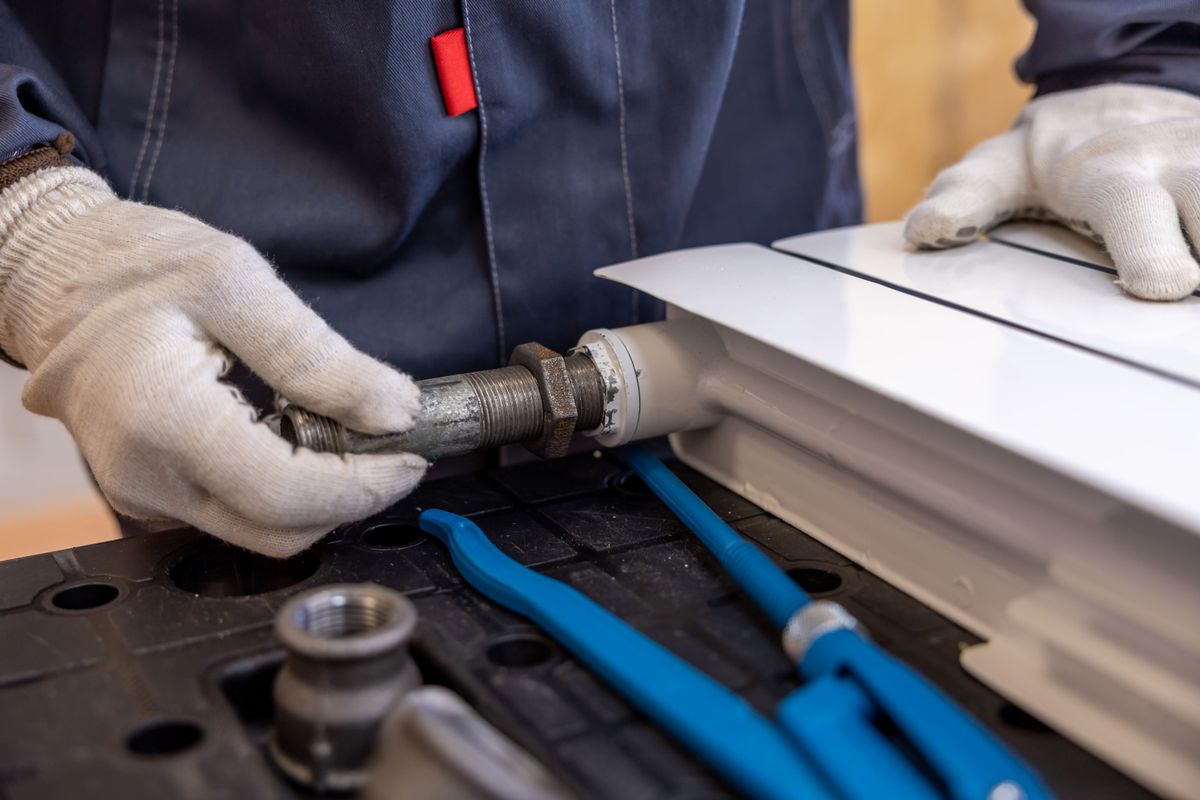
Short answer: A sprinkler backflow preventer leaking after a freeze typically means water trapped inside the unit expanded as it froze, cracking the heavy brass body, shattering internal plastic check valves, or forcing open test cocks. Isolate the backflow assembly immediately by turning off its shut-off valves to halt water loss, then contact a licensed professional to inspect the unit, perform necessary repairs or replacement, and submit required testing documentation to your local water purveyor.
Understanding your irrigation backflow assembly
An irrigation backflow preventer is a safety device installed on your lawn sprinkler supply line. Its primary function is cross-connection control, preventing non-potable irrigation water containing fertilizers, pesticides, animal waste, and soil bacteria from flowing backward into your household drinking water or the municipal water main. Most North Texas residential properties use one of two main backflow assembly configurations: Pressure Vacuum Breaker (PVB): Installed outdoors above ground, sitting at least twelve inches higher than the highest sprinkler head in the yard. It uses an internal air inlet valve and a check valve to break any vacuum that could pull dirty water back into the clean supply line. Reduced Pressure Zone (RPZ) Assembly: Often required in areas with higher hazard risks or specific municipal codes. RPZ devices feature two independent check valves separated by a hydraulically operated relief valve that discharges water outward if internal pressure imbalances occur. Because these devices contain internal chambers, small passageways, and delicate spring-loaded check valves, standing water trapped inside will expand with immense force during sub-freezing temperatures.
Distinguishing backflow leak symptoms and causes
Identifying the exact point of leakage helps determine whether the backflow preventer can be repaired with internal replacement parts or if the entire valve body must be replaced.
| Leak Symptom | Visible Appearance | Primary Underlying Cause | Severity Level | Repair Strategy |
|---|---|---|---|---|
| Cracked outer body | Continuous spray or steady stream from the heavy brass housing | Trapped water froze and expanded, splitting the external cast metal shell | High (unit compromised) | Complete assembly replacement required |
| Blown-out canopy or bonnet | Water spraying out beneath the top plastic cap or hood | Ice expansion pushed the upper internal plastic housing out of its threads | Moderate to high | Install a manufacturer freeze repair kit if body threads remain intact |
| Discharging relief valve port | Steady water stream pouring from the lower relief port of an RPZ unit | Internal check valves unseated, cracked, or jammed by ice debris | High | Disassemble, clean, and rebuild internal check valve assemblies |
| Leaking test cocks | Slow drip or spray from the small side test ports | Bleeder valves left closed during freeze, causing port threads or seats to crack | Low to moderate | Replace individual test cock valves |
Post-freeze damage mechanisms and severity
When temperatures drop below freezing in North Texas, ambient cold air rapidly cools exposed outdoor plumbing. Water expands by approximately nine percent as it turns into ice. When confined inside a sealed brass backflow body, this expansion creates several thousand pounds of hydraulic pressure per square inch. The damage typically manifests in one of three ways:
- Structural casting failure: The outer brass body ruptures along structural stress points. Once the metal shell cracks, internal fluid pressure cannot be contained, leading to high-volume water loss when supply lines thaw.
- Internal component destruction: Plastic poppets, rubber seals, and stainless steel springs shatter or deform under ice pressure. Even if the outer brass body shows no visible cracks, damaged internal seals render the backflow device non-functional, destroying its ability to prevent cross-contamination.
- Port and ball valve splitting: Test cocks and shut-off ball valves that were left fully closed trap small pockets of water in their ball cavities. As ice forms, it splits the ball valve housing or tears the internal PTFE seals.
Ignoring a post-freeze backflow leak can lead to severe soil erosion near your home foundation, inflated water utility bills, and potential contamination of your domestic drinking water if city supply pressure fluctuates.
Safe homeowner checks and safety boundaries
Homeowners can perform basic visual checks and safety steps, but complex repairs and code compliance require qualified professional service.
Safe inspection steps
Locate the assembly: Find your backflow device, which is usually positioned near the main water meter box, along the side of the house, or near an exterior foundation wall. Isolate the water supply: Turn the two isolation ball valves attached to the backflow device ninety degrees so they are perpendicular to the pipe. If the device ball valves are frozen, damaged, or stuck, shut off the dedicated irrigation main valve located inside the ground box near your water meter. * Visual check: Inspect the brass body for hairline fractures, bulges, or missing top caps. Look closely around test cocks for active dripping.
What not to touch
Do not bypass the device: Never install a straight pipe or hose jumper to bridge the gap left by a damaged backflow assembly. Bypassing a backflow preventer creates a severe health hazard and violates municipal plumbing codes. Do not force frozen ball valves: Applying excessive force or leverage to frozen valve handles can snap the brass stem, causing uncontained water leaks. * Do not attempt internal spring disassembly without proper training: The internal springs within RPZ and PVB devices are held under heavy tension. Removing retaining rings without proper safety precautions can result in flying parts and personal injury.
Professional testing and repair process
When a qualified technician evaluates a post-freeze backflow assembly, they follow a structured diagnostic protocol. Differential pressure gauge testing: The technician attaches a specialized three-valve or five-valve differential pressure test gauge to the assembly's test cocks. This equipment measures exact pressure drops across check valves and relief valves to ensure they meet strict performance thresholds. Internal inspection: The technician removes the bonnet, canopy, and internal check assemblies to inspect plastic poppets, rubber diaphragms, and metal seats for microscopic cracks or ice-induced warpage. * Submitting test reports: Municipalities across the Dallas-Fort Worth area require backflow testing results to be filed on official city reporting forms. Qualified testers file these reports directly with the local water purveyor to maintain compliance. In Texas, professionals repairing or replacing backflow preventers hold specific credentials. Plumbers are licensed through the Texas State Board of Plumbing Examiners (TSBPE), while irrigation specialists hold licenses through state environmental regulatory bodies, often carrying specific Backflow Prevention Assembly Tester (BPAT) endorsements.
Repair versus replacement and cost drivers
Deciding between repairing or completely replacing a backflow preventer depends primarily on structural integrity. When repair is suitable: If the exterior brass body is intact and free of hairline fractures, installing a rebuild kit containing a new bonnet, poppet, check valve assemblies, and O-rings restores full functionality. Replacing test cocks is also a straightforward repair. When replacement is required: If the main brass housing exhibits any visible crack, split, or deformation, total replacement of the entire backflow assembly is mandatory. Metal castings cannot be safely welded or patched to hold pressure under local plumbing codes. Several factors influence the overall expense of backflow restoration: Assembly type: RPZ assemblies feature complex internal hydraulics and require larger enclosures, driving higher equipment costs compared to standard PVB units. Pipe size and installation depth: Larger diameter pipe connections or units installed in deep underground vaults require additional labor and fittings. Filing fees and utility requirements: Many local water utilities charge administrative fees to process mandatory backflow test documentation. Associated pipe repairs: If freeze damage extends past the backflow body into adjacent copper risers or underground PVC supply lines, additional piping repairs will be necessary.
North Texas climate and local water utility rules
The Dallas-Fort Worth region experiences unique weather patterns that increase risk for irrigation systems. Hard winter freezes often strike suddenly after weeks of mild weather, catching homeowners unprepared. Furthermore, shallow North Texas frost lines mean irrigation lines and above-ground backflow devices absorb freezing air temperatures rapidly. Local water purveyors across North Texas, including cities like Fort Worth, Frisco, Dallas, and surrounding municipalities, strictly enforce cross-connection control programs. City codes require: Mandatory annual testing: Backflow assemblies connected to public water systems must be tested annually by a certified tester. Immediate post-repair testing: Any time a backflow assembly is replaced, moved, or repaired, it must undergo immediate certified testing to verify that cross-contamination defenses are fully functional. * Approved assembly lists: Replacement devices must appear on the local water purveyor's list of approved backflow prevention assemblies.
Preventing freeze damage to irrigation backflows
Taking proactive winterization steps before cold weather hits protects backflow assemblies from destructive ice expansion. Isolate and drain: Shut off the main irrigation supply valve before the first winter freeze. Open the test cocks on the backflow device to a forty-five-degree angle and drain residual water from the assembly chambers. Insulate outdoor devices: Cover exposed PVB or RPZ units with heavy-duty insulated backflow pouches designed specifically for outdoor plumbing. Avoid using uninsulated plastic bags or simple blankets, which trap moisture without stopping cold air intrusion. * Install protective enclosures: For RPZ devices or large irrigation setups, insulated protective rock covers or heated enclosures provide long-term protection against sudden freezing spells.
Common questions
Can I temporarily bypass my leaking backflow preventer to use my sprinklers?
No. Bypassing a backflow preventer is a direct violation of Texas plumbing codes and local municipal ordinances. Removing the device creates a direct cross-connection, allowing contaminated lawn water to enter your household drinking water supply.
Why is water pouring out of the bottom of my RPZ backflow preventer?
Water discharging from the bottom relief port of an RPZ unit indicates that internal check valves are failing to seal properly or that ice has jammed the relief mechanism. Shut off the isolation valves immediately and have the unit inspected by a certified technician.
How do I know if my backflow device just needs a rebuild kit or complete replacement?
If the outer brass metal housing has visible splits, bulges, or cracks, the entire unit must be replaced. If the brass body is undamaged and the leak stems strictly from upper plastic caps, internal rubber seals, or side test ports, installing an internal repair kit is typically sufficient.
Do North Texas cities require backflow testing after a freeze repair?
Yes. Municipalities throughout North Texas require a certified backflow test whenever a backflow prevention assembly is installed, replaced, or disassembled for internal repairs. The certified tester must submit an official test report to the local water utility.