
North Texas Winter Home Maintenance Checklist
Short answer: Preparing a Dallas-Fort Worth home for winter requires protecting vulnerable plumbing in unconditioned attics, inspecting heating equipment before severe freezes,...
By Everyday Home Advice Editorial Team
Short answer: Preparing a Dallas-Fort Worth home for winter requires protecting vulnerable plumbing in unconditioned attics, inspecting heating equipment before severe freezes, maintaining foundation soil moisture, and securing the building envelope against cold drafts. Because local homes typically sit on concrete slab foundations with mechanical systems and water lines installed in attics, sudden sub-freezing events create unique risks for pipe bursts, heating failure, and roof leaks.
Protecting Freeze-Vulnerable Plumbing and Attic Mechanicals
In North Texas, home construction heavily relies on slab foundations, placing water supply lines, water heaters, and furnace equipment inside unconditioned attic spaces. When winter cold fronts bring prolonged sub-freezing temperatures, these attic spaces drop below freezing quickly.
Freeze Prevention and Insulation Checks
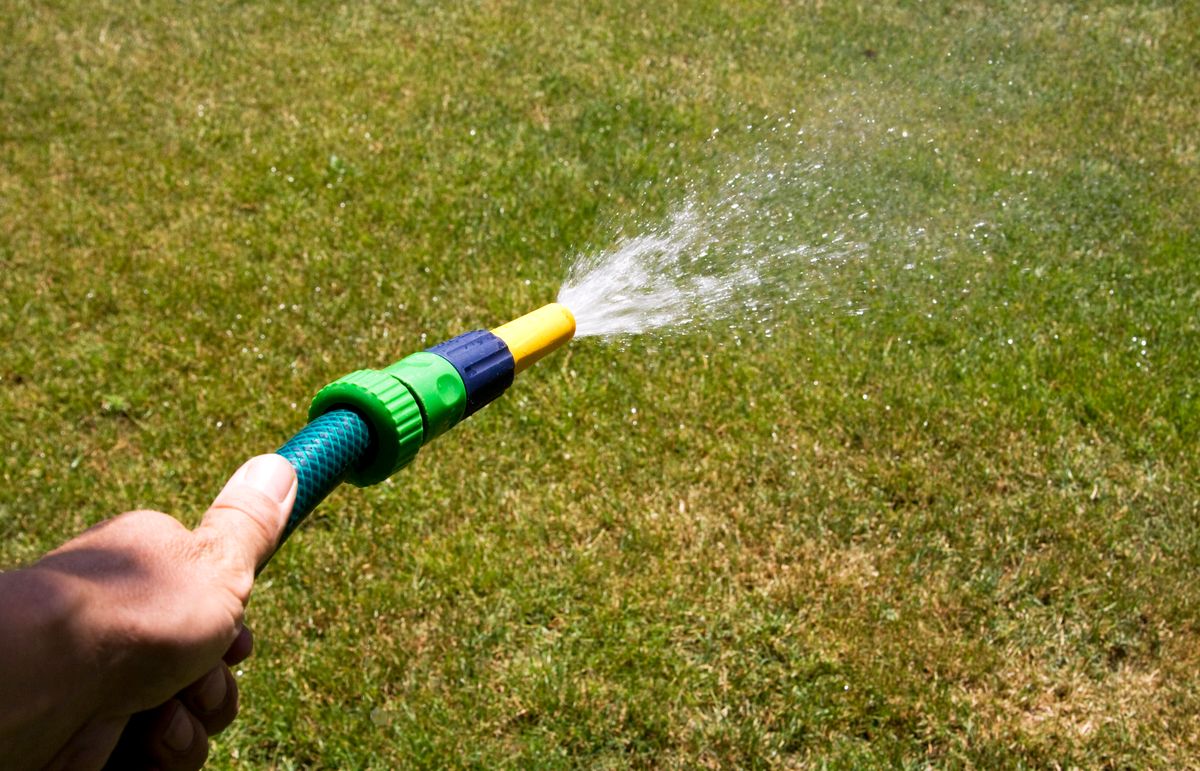
Before the first freeze, disconnect all garden hoses from outdoor faucets. Trapped water in a hose causes ice to expand back into the spigot stem, bursting interior pipes inside the wall framing. Install foam insulation covers over every exterior hose bib. Inside the attic, inspect pipe insulation. Wrap all bare copper, CPVC, and PEX supply lines with self-sealing foam sleeve insulation, paying close attention to elbows and joints near soffit vents where cold air enters the attic.
Main Shutoff Access
Locate the main water shutoff valve, which is usually in an underground valve box near the street curb or where the main line enters the slab foundation. Test the valve with a meter key before winter hits to ensure it turns smoothly. If an attic pipe or exterior line bursts during a severe freeze, shutting off the water within minutes prevents severe structural damage to drywall ceilings and flooring.
Heating System and Indoor Air Safety
Attic-mounted gas furnaces and electric heat pumps handle heavy workloads during sudden winter cold snaps. Lack of pre-season maintenance can lead to mechanical failure, poor indoor air quality, or hazardous carbon monoxide conditions.
Safe Homeowner Checks
Replace air filters monthly during the winter season. Clogged filters restrict airflow across the furnace heat exchanger, causing gas furnaces to trip safety switches or heat pump auxiliary coils to overheat. Check that return air grilles inside the home remain open and unobstructed by furniture. Verify that battery backups in carbon monoxide alarms and smoke detectors function properly on every level of the home.
What Not to Touch and Professional Testing
Do not attempt to clean gas burner assemblies, adjust gas manifold pressure, or service electrical control boards yourself. Gas lines and high-voltage wiring carry severe safety risks. A professional heating technician, licensed through the Texas Department of Licensing and Regulation (TDLR), tests gas pressure, inspects the heat exchanger for hairline cracks, verifies proper flue venting through the roof, and measures electrical draw on heating elements.
Foundation Moisture and Soil Management
The expansive clay soil common throughout the Dallas-Fort Worth region expands when saturated and shrinks significantly when dry. Cold winter winds can desiccate the perimeter soil surrounding a concrete slab foundation, while winter rainstorms can saturate it, causing localized heave or settlement.
Winter Soil Adjustments
Check the perimeter of the slab foundation monthly. Soil should fit snugly against the concrete edges without pulling away or forming deep gaps. Adjust automated irrigation systems down to winter schedules, running zones infrequently to prevent oversaturation while maintaining baseline soil moisture. Ensure downspouts discharge runoff away from the slab using splash blocks or flexible pipe extensions to prevent standing water from eroding soil around beam footings.
Roof, Flashing, and Exterior Shell Seals
North Texas roofs experience intense sun exposure during summer and frequent hail during spring, leaving asphalt shingles brittle by winter. Freezing rain and ice accumulation can drive water under compromised shingles or deteriorated roof flashing.
Attic and Roof Vulnerabilities
Inspect the roof from the ground using binoculars, looking for missing, curled, or damaged shingles, especially around plumbing vent boots and chimney flashings. Clear leaves and debris from gutters and downspout openings. Clogged gutters trap ice during winter freezes, allowing thawing water to back up under the eave soffits and leak down interior walls.
Sealing Exterior Openings
Walk the exterior perimeter and inspect sealants around window frames, hose bib penetrations, brick expansion joints, and soffit vents. Cold winter drafts entering small gaps lower interior wall temperatures and freeze hidden plumbing pipes. Seal gaps with exterior-grade elastomeric sealant or expanding foam rated for exterior use.
Water Heater Maintenance and Hard Water Accumulation
Municipal water across North Texas contains dissolved minerals that create hard water scale. When hard water is heated, calcium and magnesium settle at the bottom of tank water heaters or coat heating elements, reducing efficiency and accelerating tank corrosion.
Flushing and Safety Valve Testing
Tank water heaters located in unconditioned attics or garages require regular maintenance to survive winter heating cycles. Drain a few gallons from the tank drain valve into a bucket to flush accumulated sediment. Test the temperature and pressure relief valve by lifting the lever briefly to confirm water discharges freely into the drain line, then snaps shut tightly without weeping.
Insulation and Freeze Protection
If the water heater stands in an unconditioned garage or attic, check that the tank and connected water lines carry proper insulation wrap. Verify that the drain pan under an attic water heater remains clear of debris and that the pan drain line terminates visibly outdoors.
Repair Options, Cost Drivers, and Licensing
Addressing winter home damage requires knowing when to make simple repairs and when to hire licensed trade professionals.
Repair versus Replace Decision Points
Minor line cracks in accessible attic PEX lines or exterior hose bibs can often be repaired by replacing the damaged section. However, if a copper line splits along a long seam inside a wall or slab, or if a water heater tank corrodes through its inner lining, complete replacement is required. For gas furnaces, a cracked heat exchanger warrants replacing the heat exchanger assembly or the entire furnace due to carbon monoxide risks.
Cost Drivers
Repair and maintenance costs depend on attic accessibility, roof pitch, pipe material, and the extent of hidden water damage behind drywall. Emergency response during severe freeze events drives up labor costs considerably compared to scheduled preventive maintenance.
Licensing Considerations
In Texas, plumbers, electricians, and HVAC technicians must hold active licenses issued by the TDLR or the Texas State Board of Plumbing Examiners. General contractors are not licensed statewide, so homeowners should verify trade-specific credentials, insurance, and local municipal permits before starting major plumbing or mechanical repairs.
Common questions
Should I drip my faucets during every cold night in Dallas-Fort Worth?
Dripping faucets is necessary primarily during sustained hard freezes when temperatures drop well below freezing for several consecutive hours. Focus on dripping faucets served by pipes running through unconditioned attics, garage walls, or exterior walls.
Why are water heaters and furnaces located in North Texas attics?
Because most regional homes are built on concrete slab foundations without basements or central utility closets, builders utilize unconditioned attic spaces to house large mechanical equipment. This layout keeps living space open but makes equipment highly susceptible to winter temperature extremes.
Does foundation watering need to continue during the winter?
Yes, but at a reduced frequency. Expansive clay soil loses moisture to winter dry spells and cold winds. Supplemental watering maintains consistent soil volume around the slab, preventing foundation shifts during dry winter months.
What should I do if a pipe freezes in my wall or attic?
Shut off the main water supply immediately to prevent flooding when the ice thaws. Open indoor faucets to relieve pressure, and use a space heater or hairdryer to warm the surrounding indoor room air safely. Never use an open flame to thaw pipes.