
What Should I Do When a Pipe Starts Leaking?
When a pipe starts leaking, the first goal is to limit additional water damage. Don't start by trying to make a permanent repair while water is still spreading.
By Everyday Home Advice Editorial Team
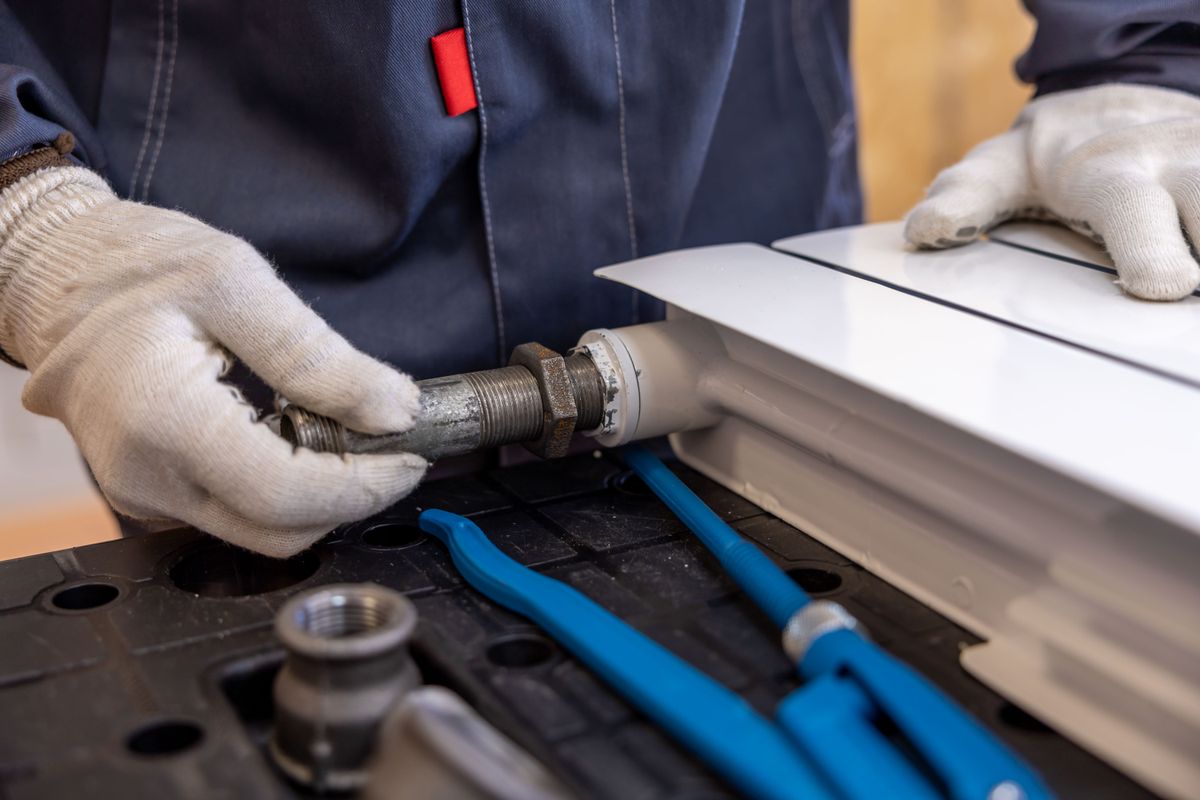
When a pipe starts leaking, the first goal is to limit additional water damage. Don't start by trying to make a permanent repair while water is still spreading.
Stop the water if you safely can
If you know which shutoff controls the affected line and can operate it safely, shut off the water. For a fixture-specific problem, a nearby shutoff may isolate the leak. For a larger uncontrolled leak, the home's main water shutoff may be necessary. Don't force a valve that won't operate.
Watch for electrical hazards
Water near outlets, electrical panels, appliances, or wiring can create an additional hazard. Don't stand in water to operate electrical equipment.
Protect the area
If safe, move belongings away from the leak. Use containers or towels to control small amounts of water while waiting for repair.
Don't assume the visible spot is the whole problem
Water can travel along pipes, framing, drywall, and flooring. The point where water appears may not be where the pipe failed.
Temporary fixes aren't always permanent repairs
A temporary measure may slow water loss, but it doesn't replace diagnosing why the pipe leaked.
Check surrounding materials
After the leak is stopped, inspect for wet drywall, wet cabinets, wet flooring, ceiling damage, and exposed insulation.
When should I get help?
Professional help makes sense when the leak can't be isolated, the damaged pipe isn't easily accessible, water is entering walls or ceilings, electrical hazards are present, the leak keeps returning, or you're unsure what failed. Find Local Plumbing Help