
Repair or Replace a Window?
Short answer: Repair isolated hardware failures, worn weatherstripping, or single foggy double-pane glass units when window frames remain square and structurally sound. Replace...
By Everyday Home Advice Editorial Team
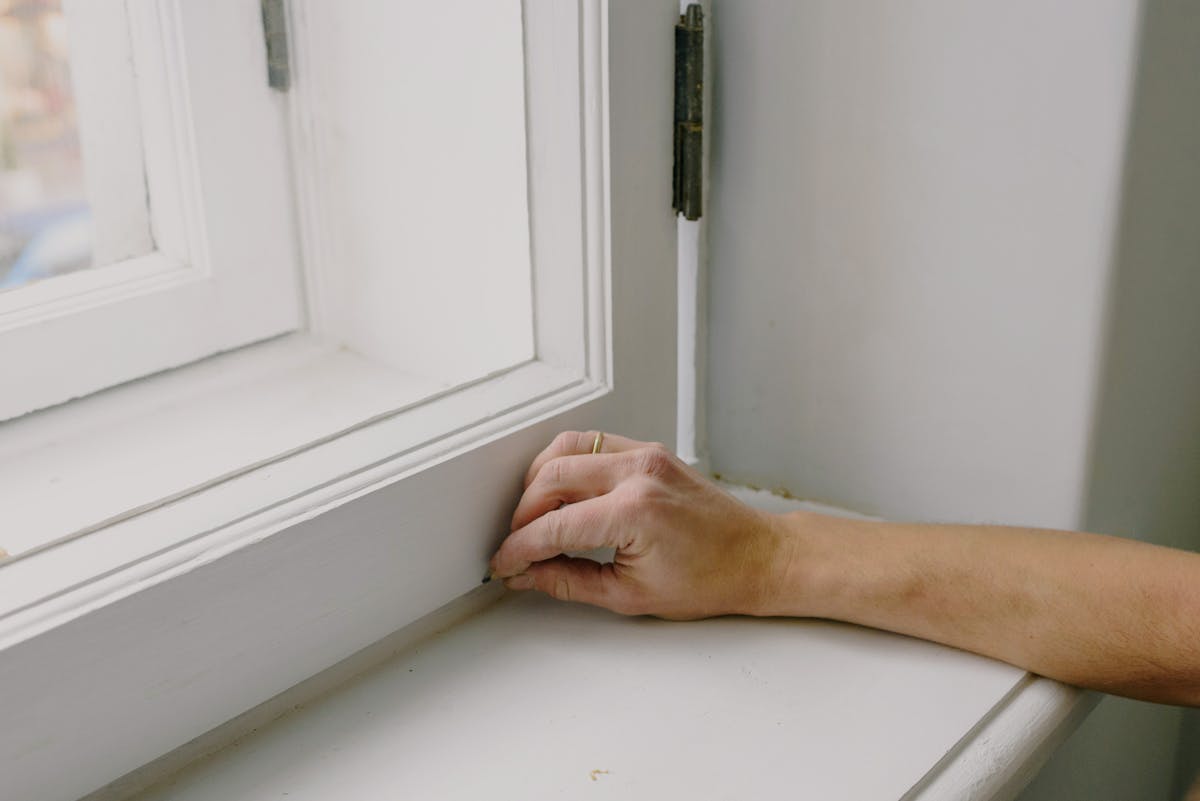
Short answer: Repair isolated hardware failures, worn weatherstripping, or single foggy double-pane glass units when window frames remain square and structurally sound. Replace windows when frames are warped, cracked, or rotted, when water leaks behind exterior cladding, or when severe soil movement has permanently distorted the wall's rough opening.
Identifying Window Symptoms and Damage
Window failures typically present through operational problems, visible component decay, or clear signs of thermal breakdown. Fog, moisture droplets, or mineral film trapped between glass panes indicates a blown perimeter seal within an insulated glass unit. Surface condensation on room-side glass, by contrast, usually stems from elevated interior relative humidity rather than a defective window component. Air drafts blowing past closed sashes signal deteriorated weatherstripping or loose latches. Sticking sashes, diagonal frame gaps, and water stains on interior drywall or window sills point to structural movement or perimeter flashing failure around the opening.
Root Causes and Structural Risks
Window component failures stem from distinct mechanical and environmental causes. Insulated glass unit seal failure occurs when organic perimeter sealants age, degrade under solar exposure, or fracture due to continuous expansion and contraction. Operational binding often results from failed sash balances, stripped gears on casement operators, or structural racking of the frame. Unaddressed window defects carry substantial structural risk. Perimeter water leaks allow rain to penetrate behind exterior cladding, rotting wall studs, headers, and subflooring inside the wall cavity. Prolonged moisture accumulation fosters hidden mold growth behind drywall. Because Texas does not license general home repair or window contractors at the state level, identifying structural damage early prevents costly framing reconstruction later.
Safe Homeowner Checks and Safety Boundaries
Homeowners can safely evaluate several window components without specialized tools:
- Inspect visible rubber, foam, or felt weatherstripping for hardening, flattening, or missing sections.
- Check that sash locks, tilt latches, and operator handles engage smoothly without excessive force.
- Place a hand level along the sill and vertical side jambs to check if the frame remains plumb and level.
- Inspect exterior perimeter caulk lines between the window frame and exterior wall for gaps or peeling.
Avoid unsafe or ineffective DIY repair methods. Do not drill holes into insulated glass units to clear interior fogging, as this destroys the unit's thermal seal and gas fill. Do not force sticking sashes with pry bars, which can shatter glass or crack vinyl channels. Avoid removing exterior casing or siding without proper fall protection on upper stories, and never alter structural framing around the rough opening.
Professional Inspection Techniques
A professional technician or window specialist uses targeted diagnostic methods to assess damage:
- Thermal imaging cameras detect hidden air infiltration and insulation gaps behind interior trim.
- Digital pin-type moisture meters measure moisture levels in framing studs and drywall to verify active water leaks.
- Diagonal frame measurements confirm whether structural settling has racked the opening out of square.
- Inspection of exterior head flashing, drip edges, and z-bar integration ensures water sheds properly over the window frame.
Repair vs. Replace Decision Criteria
Determining whether to repair or replace depends on frame condition, structural squareness, and the scope of the failure.
When to Repair
- Broken balances, latches, locks, or casement operator cranks.
- Damaged or worn weatherstripping along sash tracks.
- Fogged double-pane glass when the surrounding frame and sash are completely sound. A glass specialist can replace just the insulated glass unit.
- Minor exterior caulk failure along intact outer trim.
When to Replace
- Rot, soft spots, or widespread decay in wood frames and sills.
- Cracked, bowed, or heat-distorted vinyl extrusions.
- Water intrusion leaking into the wall cavity behind the window frame.
- Frame racking caused by foundation movement that prevents sashes from closing.
- Multiple aging single-pane units where home energy loss is severe.
North Texas Soil and Climate Dynamics
Dallas-Fort Worth homes face environmental stresses that directly shorten window lifespans. High-density expansive clay soil expands when wet and contracts during prolonged summer dry spells. This continuous movement causes slab and pier-and-beam foundations to shift, twisting wall framing and pulling window rough openings out of square. Once an opening racks, sashes bind, seals rupture, and glass units crack under pressure. Extreme summer solar heat loads and intense ultraviolet radiation accelerate the degradation of perimeter sealants, rubber gaskets, and vinyl extrusions. Severe weather events bring hail strikes that shatter glass and dent metal frame cladding. Winter hard freezes trigger thermal shock, expanding and contracting materials rapidly and stressing glass-to-frame seals.
Cost Drivers and Maintenance Prevention
Several construction and performance variables dictate the overall cost of window work:
- Scope of repair, ranging from swapping a single glass unit to full-frame teardowns.
- Frame material selection, including vinyl, aluminum, fiberglass, or wood-clad systems.
- Glass engineering features, such as multi-pane configurations, low-emissivity coatings, and inert argon gas fills designed to block radiant heat.
- Structural remediation needed inside wall cavities to fix rotted studs or headers.
- Home accessibility, including multi-story elevations or custom geometric shapes.
To maximize window life, inspect exterior perimeter sealant annually and re-caulk visible gaps. Keep sash track weep holes clear of dirt, leaves, and lawn debris so trapped water drains outside. Maintain consistent moisture levels around the foundation to limit structural frame movement.
Common questions
Can you replace just the glass without replacing the frame?
Yes. If the window frame and sash remain square and undamaged, a technician can remove the interior glazing stops, extract the fogged or broken insulated glass unit, and install a custom-fit replacement glass unit into the existing frame.
Why does condensation form on the inside of window glass?
Interior surface condensation occurs when humid indoor air touches a cold glass surface. This indicates elevated indoor relative humidity rather than a broken glass seal within the window.
Will replacing a sticking window fix foundation movement issues?
No. Installing a new window into an out-of-square rough opening will not resolve binding issues. Structural foundation movement must be addressed or the opening re-squared before installing new window units.
Do window installers need a license in Texas?
Texas does not issue a statewide license for general contractors or window installers. Homeowners should verify municipal permit requirements, general liability insurance, and worker's compensation coverage before starting work.