
Why Is My Washing Machine Not Draining?
Short answer: A washing machine fails to drain when its drain hose is kinked, the pump filter is clogged, or the pump motor fails. In North Texas, hard water mineral buildup...
By Everyday Home Advice Editorial Team
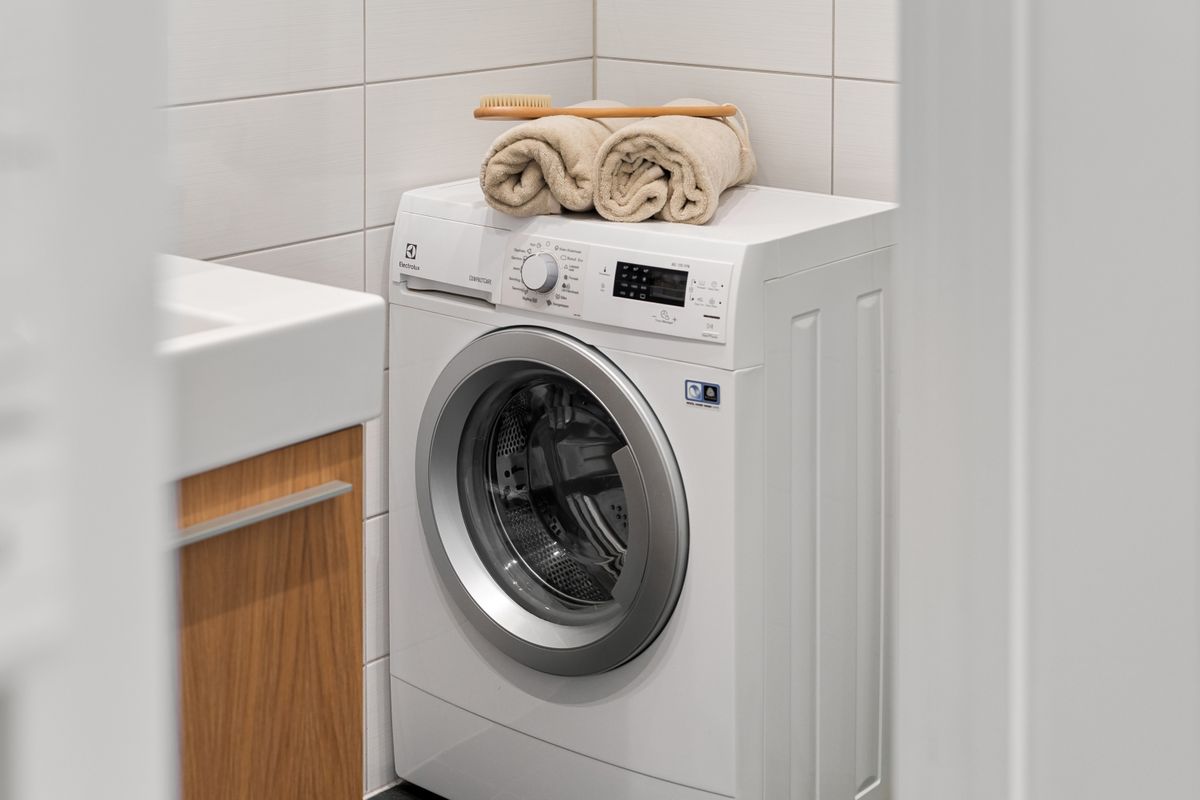
Short answer: A washing machine fails to drain when its drain hose is kinked, the pump filter is clogged, or the pump motor fails. In North Texas, hard water mineral buildup can also bind internal pump components. Homeowners can clear visible hose obstructions and front-loader filters, but electrical testing and plumbing repairs require professional service.
Identifying Washing Machine Drain Failures
A washing machine that will not drain leaves standing water in the tub at the end of a cycle. You may hear the appliance hum while trying to pump, or it may stop completely before spinning. Front-load models usually keep their doors locked to prevent water spillages. Top-load models often pause the entire cycle because built-in water level sensors detect standing liquid. If standing water spills out during the drain attempt, the blockage may exist in the wall standpipe rather than inside the washing machine. Addressing standing water quickly prevents damage to surrounding subfloors and baseboards.
Likely Causes and Mechanical Differences
Drain failures stem from physical blockages or electrical component faults. Physical blockages occur when small garments like socks, lint, or loose coins collect inside the pump trap filter. Pushing the appliance too close to the rear wall can also kink or crush the flexible drain hose, restricting water flow. Electrical faults occur when the drain pump motor burns out or its impeller breaks. On top-load units, a failed lid switch halts the drain cycle for safety. Front-load machines rely on a door latch switch assembly that must confirm a secure door seal before activating the drain pump.
Safe Homeowner Inspections
Disconnect electrical power at the wall outlet before inspecting the appliance. Pull the washer away from the wall to inspect the drain hose for sharp bends, flat spots, or physical damage. If the hose is clear, remove tub water with a wet-dry vacuum. On front-loading washers, open the lower access panel, place towels on the floor, and unscrew the pump filter cap. Clear out trapped coins, hair, and lint. Do not remove internal cabinet panels or touch wiring harnesses while power is connected. Avoid inserting drain snakes into wall standpipes. If the house drain system is backed up, contact a plumber licensed through the Texas Department of Licensing and Regulation (TDLR).
Dallas–Fort Worth Home Considerations
North Texas municipal water supplies contain high concentrations of dissolved calcium and magnesium. When hard water mixes with detergent residue and lint, it creates mineral scale inside the pump housing. This scale narrows drain channels and can stop the pump impeller from turning. Many DFW homes feature slab foundations with washing machine drain pipes set directly into concrete. Expansive clay soil expands during wet seasons and shrinks during summer droughts. This movement can shift sub-slab drainage pipes, alter standpipe pitch, or create line bellies that cause water to back up into the utility space. Appliance placement in unconditioned garages or hot utility rooms also affects performance. High summer heat degrades rubber drain hoses, making them soft and prone to collapsing under pump suction.
Professional Diagnostics and Repair Options
A licensed technician tests electrical continuity across lid switches, door latches, and drain pump motors using a multimeter. They also inspect the pump impeller shaft for mechanical wear or gear damage. If the pump receives power but does not turn after cleaning, it requires replacement. If electrical components function properly, the technician will check internal tub-to-pump hoses for hidden clogs. Replacing a drain pump or door latch switch is cost-effective for appliances under eight years old. If an older machine requires both electronic control board and pump repairs, replacement is usually practical. Repair costs depend on part availability, unit accessibility, and whether the issue is internal or plumbing-related.
Preventing Drain Problems
Clean front-loader pump filters every three to six months to prevent clogs. Use mesh wash bags for small items like baby socks to prevent them from slipping down the tub drain. Run a tub-clean cycle monthly with citric acid or washing machine cleaner to dissolve hard water scale. Maintain at least four inches of space behind the washer to keep the drain hose free from kinks.
Common questions
Why is my washer humming but not draining? A humming sound indicates the drain pump motor is receiving power, but something is preventing the impeller blade from turning. A coin lodged in the pump casing or hard water scale binding the shaft is often responsible. Can a clogged home drain cause my washer to flood? Yes. If the machine pumps out water into a blocked wall standpipe, water will spill onto the floor. This indicates a house drain line backup rather than an appliance fault. How does a failed lid switch affect draining? On top-load machines, the lid switch signals the controller that the top is closed safely. A broken switch stops the machine before the drain and spin cycle begins, leaving the tub full. Does North Texas hard water ruin washer pumps? Hard water leaves mineral scale on pump seals and impellers. Over time, this buildup adds friction, causes the motor to overheat, and leads to premature pump failure. Dallas–Fort Worth Appliance Troubleshooting Guide Why Is My Dishwasher Not Draining? What Affects the Cost of Appliance Repair? Why Does My Washing Machine Smell Bad? * Dallas Home Repair & Maintenance Guide