
What's the Difference Between Concrete Resurfacing and Replacement?
Short answer: Concrete resurfacing applies a thin polymer-modified overlay to restore worn, discolored, or lightly spalled surfaces while leaving the underlying slab intact....
By Everyday Home Advice Editorial Team
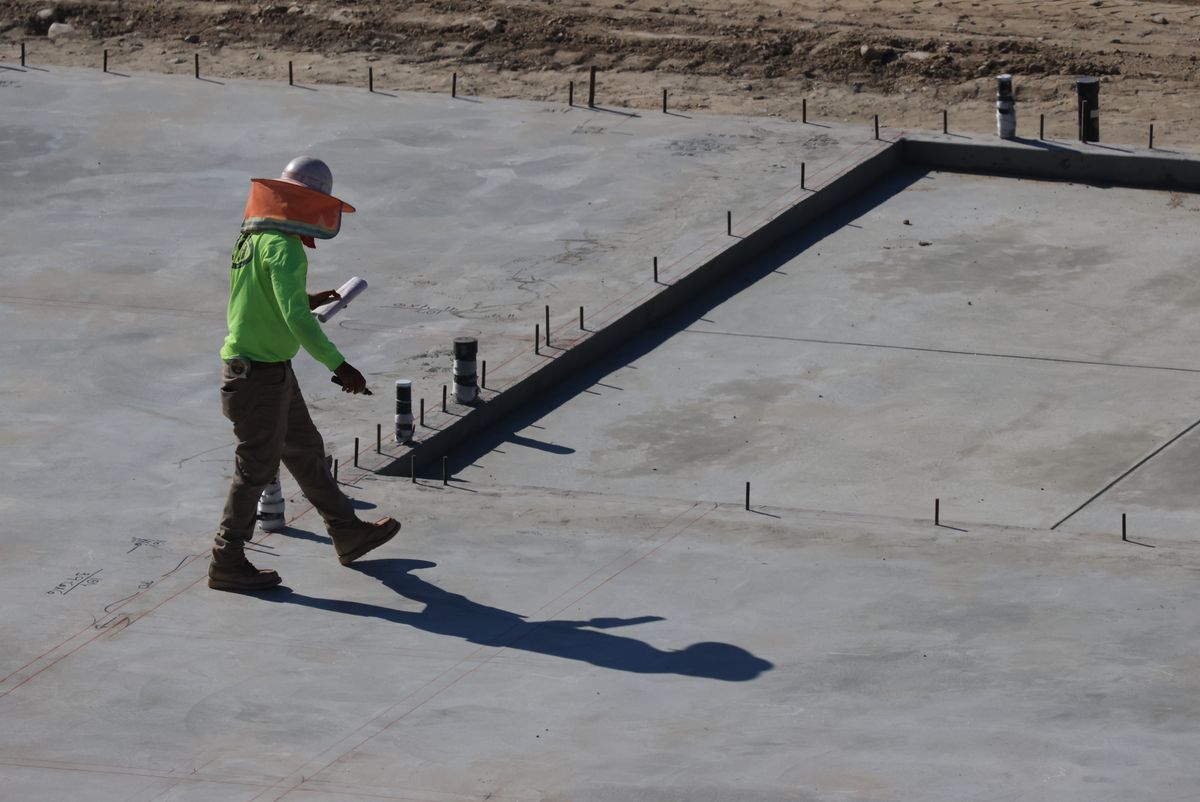
Short answer: Concrete resurfacing applies a thin polymer-modified overlay to restore worn, discolored, or lightly spalled surfaces while leaving the underlying slab intact. Concrete replacement requires demolishing the damaged concrete, excavating unstable subgrade, and pouring a brand-new slab. Resurfacing works only on structurally sound concrete, whereas replacement is necessary when slabs suffer from deep cracking, severe shifting, hollow subbases, or improper drainage slope.
Identifying Concrete Surface Wear versus Structural Failure
Distinguishing between cosmetic surface defects and deep structural failure is the first step in choosing between resurfacing and replacement. Surface wear affects only the topmost layer of the concrete. Symptoms include spalling (flaking or chipping of the surface mortar), light scaling, surface discoloration, and fine, shallow hairline shrinkage cracks. These issues generally stem from surface water exposure, sun degradation, or minor finishing errors during original construction, leaving the main body of the concrete strong and stable. Structural failure impacts the full thickness of the slab and its underlying soil base. Symptoms include wide cracks that extend deep into the concrete, vertical displacement where one side of a crack sits higher than the other, crumbling slab edges, and sinking or tilting panels. When subgrade soils settle, wash away, or shift, the concrete loses its supporting base and breaks under structural loads.
How Resurfacing and Replacement Differ
Resurfacing modifies the existing surface without disturbing the foundation underneath. A technician grinds or acid-etches the clean slab, patches minor surface blemishes, and applies a polymer-modified cementitious coating. This overlay fills shallow imperfections and leaves a fresh broom finish, stamped texture, or colored top layer. Replacement completely removes the existing slab and rebuilds the assembly from the ground up. Contractors break apart the old concrete, haul away debris, re-grade and compact the subgrade soil, set new formwork, install steel reinforcement, and pour fresh concrete at full structural thickness.
Diagnostics and Structural Limitations
Before recommending an overlay, professional contractors test the existing slab for surface strength, sound structural bonding, and moisture vapor emissions. Homeowners must avoid applying thin resurfacing overlays over moving structural cracks or settling slabs. Because the overlay bonds directly to the base slab, any continuing soil movement or cracking underneath will immediately telegraph through to the new surface. In Texas, general concrete contractors do not hold statewide trade licenses through the Texas Department of Licensing and Regulation (TDLR), which licenses plumbers, electricians, and air conditioning contractors. Homeowners should verify that any contractor evaluating slab integrity carries adequate commercial general liability insurance and local municipal registration.
Safe Homeowner Inspection Procedures
Homeowners can perform simple, safe checks to evaluate whether a slab is a good candidate for resurfacing or requires full replacement: The Tap Test: Tap a hammer lightly across the slab or drag a steel chain over the surface. A sharp, clear ringing sound indicates solid concrete firmly supported by its subbase. A dull, hollow thud indicates void spaces beneath the concrete or internal layer separation (delamination), ruling out resurfacing. The Water Hose Test: Spray water across the surface to observe drainage patterns. Water that pools into deep puddles or flows toward garage doors and foundation walls reveals improper slope or localized settling that cannot be resolved with a thin overlay. Elevation Measurement: Check cracks and control joints for vertical offsets. If one panel has sunk lower than an adjacent panel, the subbase has failed. Edge Inspection: Look along exposed slab edges where soil meets concrete. Soil erosion, animal burrows, or sunken earth along edges signal a loss of underlying subgrade support.
When to Resurface, Repair, or Fully Replace
Choosing the right restoration approach depends on the physical condition of the slab and its soil base: Resurface: Choose resurfacing when the concrete slab passes the tap test, maintains proper drainage pitch, and exhibits only cosmetic wear such as surface scaling, light spalling, or minor discoloration. Spot Repair or Slab Lifting: Choose targeted repairs or polyurethane foam lifting when individual panels are structurally sound but have settled evenly due to minor subbase erosion. Once the panel is raised back to level, joint sealant can prevent future water intrusion. * Fully Replace: Choose replacement when the concrete shows deep structural cracks, differential slab displacement, crumbling aggregate, or hollow void pockets underneath. Overlaying a broken slab leads to rapid overlay failure.
What Drives Project Costs
Project expenses vary significantly based on labor scope, material requirements, and site access: Site Demolition and Waste Hauling: Full replacement requires heavy machinery, manual jackhammering, load-out labor, and landfill fees to dispose of old concrete, costs that resurfacing avoids. Subgrade Soil Preparation: Replacing a slab often requires excavating soft native soil, importing structural gravel base material, and compacting subgrades to prevent future settling. Steel Reinforcing: Installing steel rebar grids or heavy wire mesh adds material and placement labor to full replacement projects. Access Constraints: Narrow side yards, overhead tree branches, or proximity to delicate landscaping increase manual labor requirements for both demolition equipment and concrete delivery buggies. * Finish Details: Custom stamped patterns, specialized color stains, and decorative polymer overlays add specialized skilled labor time to either process.
Dallas–Fort Worth Soil and Climate Considerations
North Texas conditions present unique structural challenges for residential outdoor concrete: Expansive Clay Soils: DFW rests on expansive clay subsoils that swell significantly when saturated by rain and shrink during prolonged hot, dry periods. This continuous expansion and contraction subjects driveways, patios, and walkways to constant ground movement, making proper subgrade compaction essential during slab replacement. Extreme Heat and Rapid Freeze Cycles: High summer temperatures accelerate moisture loss in newly poured or resurfaced concrete, while sudden winter freeze events expand trapped water within surface pores. Spalling often occurs when frozen moisture breaks apart brittle surface mortar. * Drainage and Moisture Control: Heavy downpours during severe weather events can quickly wash away unstable subsoil along slab perimeters. Excess runoff from roof valleys, overflow from clogged gutters, or continuous drainage from attic air handler drain lines and garden hose bibs near slab edges destabilizes the subbase soil.
Common questions
Can active structural cracks be fixed with a concrete resurfacer?
No. Active cracks move as underlying subsoils shrink and swell. Applying a thin polymer overlay over an active crack will cause reflective cracking, where the crack breaks through the fresh resurfacing layer.
Will concrete resurfacing correct deep standing water or drainage issues?
Resurfacing cannot fix major drainage problems. While self-leveling overlays can level out shallow surface birdbaths, correcting deep puddles or improper slope requires slab lifting or full demolition and repouring to re-establish positive drainage slope.
How long does fresh replacement concrete need to cure before vehicle traffic?
New concrete requires adequate cure time to gain structural strength. Foot traffic is typically safe after a couple of days, while passenger cars and light trucks should stay off new driveways until the concrete cures sufficiently, usually around a week or more.
Are concrete contractors licensed by the state of Texas?
No. General concrete contractors are not licensed at the state level by the Texas Department of Licensing and Regulation (TDLR). Homeowners should request proof of general liability insurance, municipal registrations, and local references before hiring.